
Course Description
Prior to the presentation, lunch will be served from 11:15-11:30 AM Eastern. The program should begin right at 11:30 AM Eastern; however, small delays are possible due to the meal. We thank you in advance for your patience.
Currently approved drugs for schizophrenia have proven useful; however, unmet medical needs still exist for this patient population. This program will shed light on an evolving class of investigational therapeutics that have shown great promise in schizophrenia by targeting muscarinic acetylcholine receptors in the brain.
Learning Objectives
- Illustrate the evolving understanding of the psychopharmacology of schizophrenia with respect to muscarinic receptor–based mechanisms of action
- Introduce muscarinic receptor–modulating therapeutics currently under investigation for use in schizophrenia with a focus on muscarinic agonists
- Demonstrate how modulating muscarinic receptor activity may play a role in treating schizophrenia
Faculty
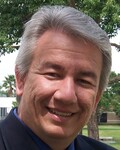
View biographical information
Jose Rey, MS, PharmD, BCPP
Professor, Department of Pharmacy Practice
College of Pharmacy - Nova Southeastern University
Ft. Lauderdale, Florida
Clinical Psychopharmacologist
South Florida State Hospital – Wellpath Recovery Solutions
Pembroke Pines, Florida
Course Requirements
To receive ACPE credit for this session, you must:
- Register for this course.
- Review the full content of the activity and reflect upon its teachings.
- Complete the evaluation at the end of the activity.
- Provide the necessary details in your profile to ensure correct reporting by AAPP to CPE Monitor.
Continuing Education Credit and Disclosures
AAPP owns the copyright, is licensed or has received permissions for use of, or is otherwise permitted to use copyrighted materials within any CPE activity. Authors and speakers are required to obtain necessary copyright permissions for content in CPE activities. AAPP complies with copyright laws and regulations.
Supported by