College of Psychiatric and Neurologic Pharmacists Position Statement: Psychiatric Pharmacist Integration into Medical Home Model

College of Psychiatric and Neurologic Pharmacists Position Statement: Psychiatric Pharmacist Integration into Medical Home Model

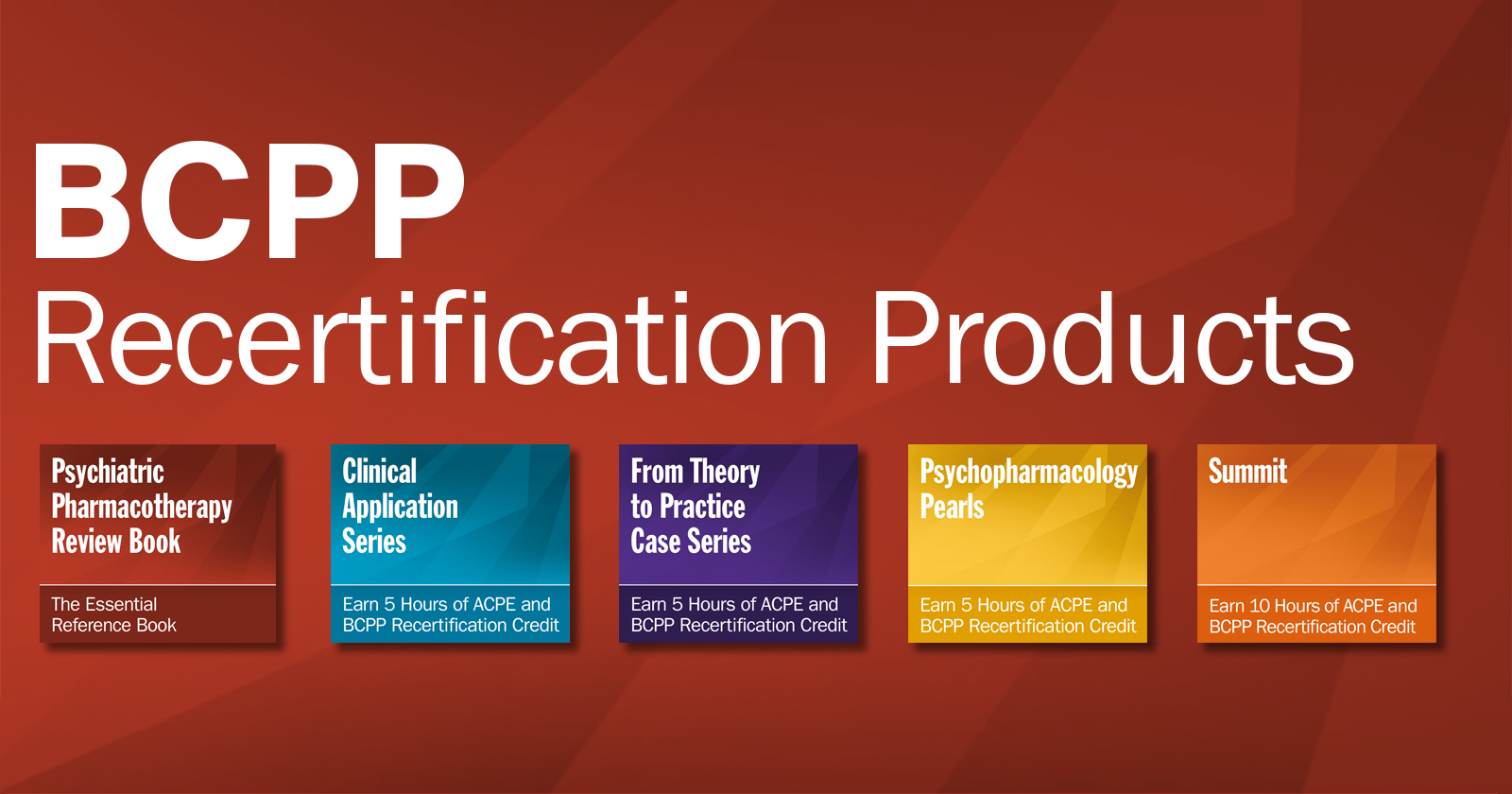
The 2012-2013 CPNP Psychiatric Pharmacotherapy Review Course (ACPE Only) includes the following:

AAPP has developed an array of resources to help directly inform patients and caregivers. Clinicians are encouraged to print and distribute these resources as they see fit. AAPP members can access additional formats and clinical resources via the Medication Database.

No summary available
No summary available
One of the primary purposes of AAPP as an association is to advance the pharmacy profession. Government and Professional Affairs is an important way for us to work together to do that.

Thanks to all 2026 donors.
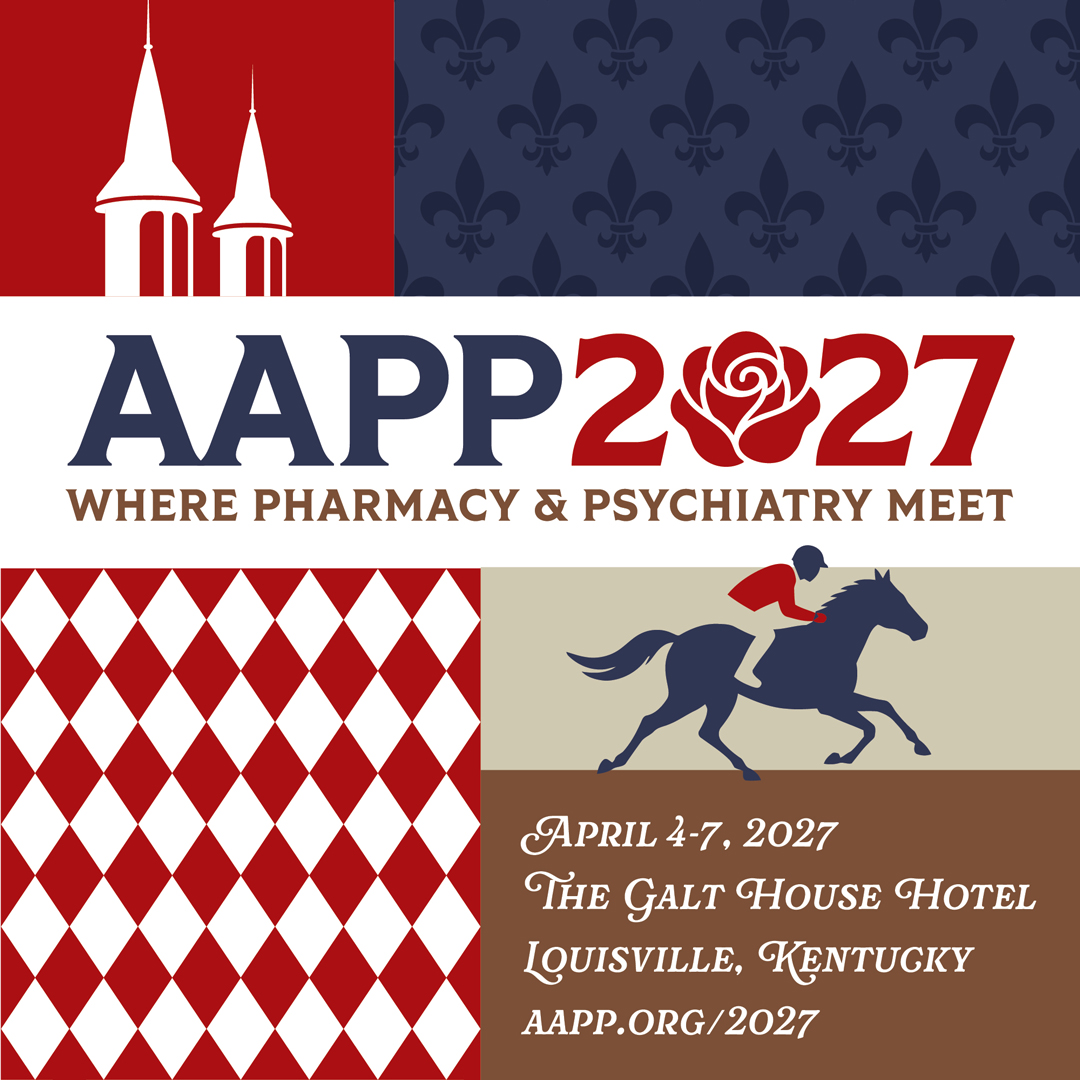
The clinical pearls session is highly anticipated each year at the Annual Meeting, and the Program Committee is once again seeking your submissions! Please share your unique patient cases and/or clinical challenges for consideration by the Jan. 7, 2027 deadline. #psychpharm #annualmeeting #louisville #AAPP2027
Plans are underway for our 30th Annual Meeting, taking place April 4-7, 2027, in Louisville, Kentucky! We can't wait to host in a new city and to bring you the latest updates in psychopharmacology education. Save the date and plan to join us! #psychpharm #annualmeeting #louisville #AAPP2027

No summary available

Results of this study suggest that mental health barriers previously documented in public insurance programs were found to extend to the privately insured.
No summary available
No substantial increase in the risk for malformations was consistently identified across data sources.

The AAPP Resident and New Practitioner Committee recently completed updates to treatment guidelines and pharmacy essentials. These free member resources provide references and clinical pearls for practitioners beginning to practice in psychiatry as well as treatment guidelines for anxiety and related disorders, bipolar disorder, depression, medication-induced movement disorders, schizophrenia, seizure disorders, sleep-wake disorders, and substance use disorder.

No summary available
This study found that approximately 1 in 6 US adolescents reported moderate or severe anxiety symptoms in 2024, yet a substantial proportion received no mental health treatment.
In this study, both cumulative use and recent cannabis use were associated with poorer objective sleep quality, although no association with self-reported sleep quality was found.
Post-discharge MAUD prescribing for ALD has risen significantly, but less than 20% of patients receive FDA-approved MAUD.
Longer duration of MOUD receipt during pregnancy and early post partum was associated with lower risk of overdose or death in the first year post partum, underscoring the importance of supporting continuous MOUD treatment during this period.
These findings suggest that targeted interventions addressing concerns about precipitated withdrawal or adverse effects, physical dependence, and housing and logistical barriers may improve uptake of ED-initiated buprenorphine.
Findings suggest that psilocybin use among individuals with depression co-occurs with perceived unmet need for conventional mental health care but is not associated with lower utilization of any conventional mental health treatments.
The report is the first national assessment of the substance use prevention workforce — and offers key findings and implications to address challenges.
In this study of patients hospitalized for alcohol withdrawal syndrome, there were no differences in hospital length of stay or the need for invasive mechanical ventilation between initiation of phenobarbital vs diazepam.