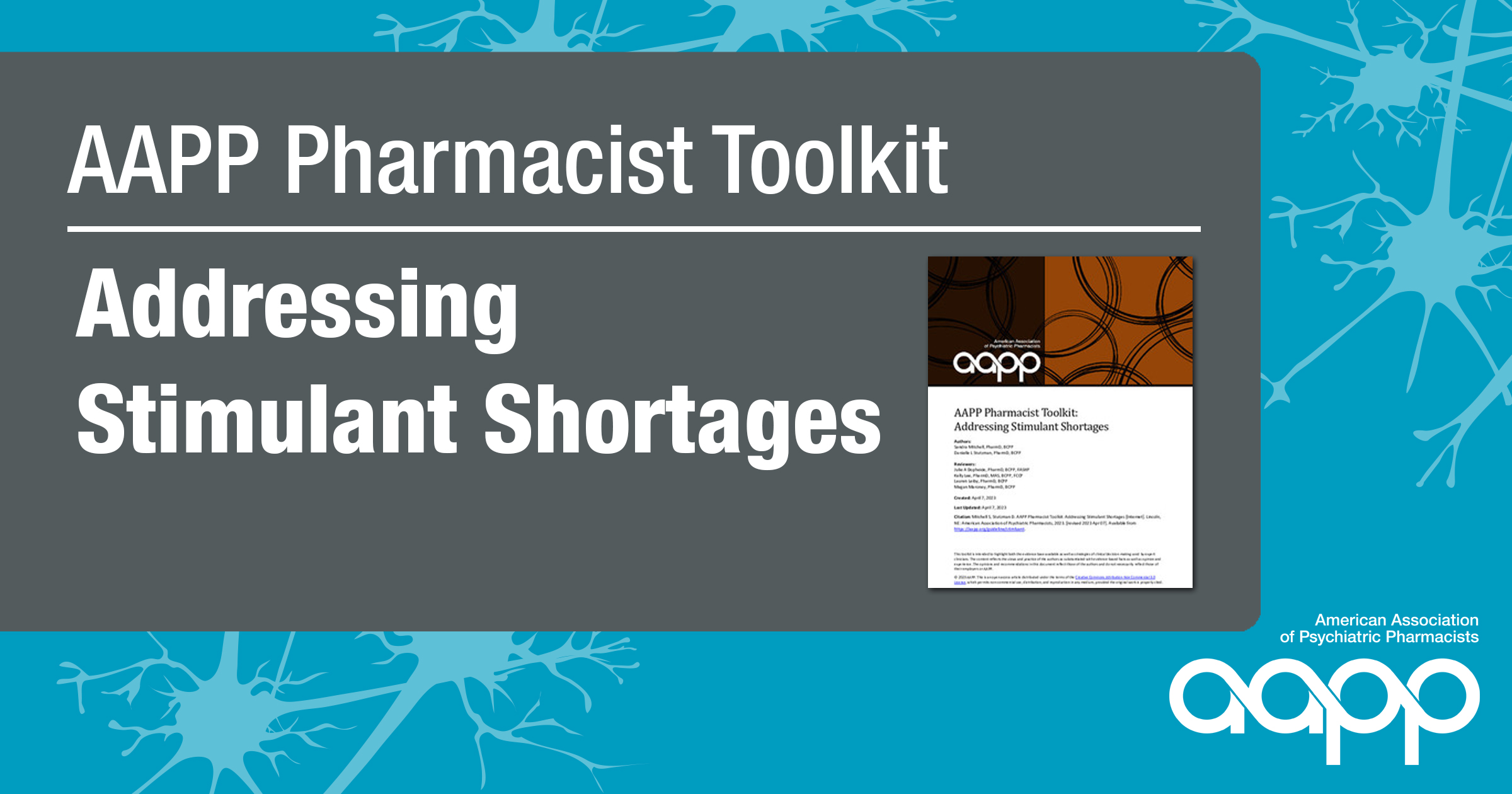
This Pharmacist Toolkit on Addressing Stimulant Shortages is intended to provide an evidence-based guide for thoughtfully converting from one stimulant product formulation to another. Download the toolkit today! #psychpharm #toolkit

This Pharmacist Toolkit on Addressing Stimulant Shortages is intended to provide an evidence-based guide for thoughtfully converting from one stimulant product formulation to another. Download the toolkit today! #psychpharm #toolkit

Thanks to all 2026 donors.
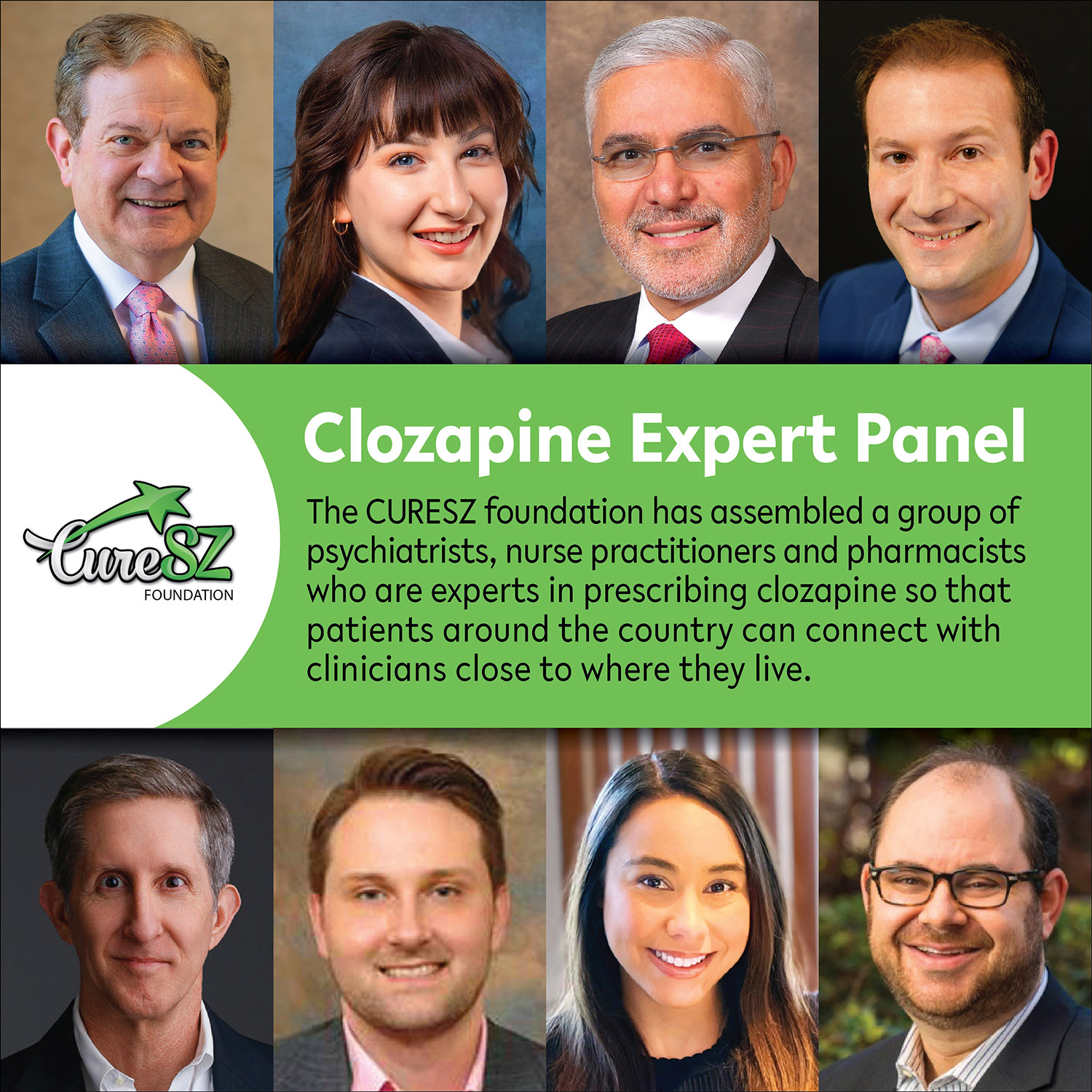
Expand availability to clozapine for those living with schizophrenia. Register now for the CURESZ Foundation Clozapine Panel!

As I prepare the President’s column for this edition of the AAPP Perspective, I am fresh out of a virtual fall retreat with the AAPP Board concentrated on our strategic plan progress. As a reminder, our current strategic plan was approved in late spring of 2021. It is regarded, by far, as the most aggressive strategic plan AAPP has ever adopted and launched us into an entirely new area of profession advocacy.
AAPP's newest member toolkits address “gas station drugs” including tianeptine and phenibut. Clinical presentation, pearls and management of acute intoxication and withdrawal are among the topics included.

No summary available

AAPP and its pharmacy partners urged federal officials to take actions to restore public confidence in the vaccine advisory process. Our joint letter expresses concerns about ACIP's new charter, recommends key reforms, and emphasizes the critical role of the pharmacy workforce in protecting communities from vaccine-preventable diseases.

Read the report that recaps 2026 State Legislative Sessions.
This report describes the total number of clients receiving mental health and support services in 2024 including demographic characteristics, mental health diagnoses, and select National Outcome Measures (NOMs) for children and adults.
The study examined the general public’s perspectives towards SCS client considerations, community impacts, and health system impacts.
This paper reviews the evidence for injury to the hippocampus associated with opioid use and OUD.
This paper describes the phenomenon of compulsive tanning and its similarities to SUDs.
Findings suggest AI-based preliminary interpretation of urine drug testing results is fast and accurate and may provide substantial efficiency gains to the clinical service.
Increasing geographic availability of medications for opioid use disorder is likely a necessary but not sufficient strategy for addressing variation in access to care.
This trial did not find evidence that the STOP intervention for reducing risky opioid use produced greater reductions over 6 months compared with enhanced usual care.
Among adults receiving legally prescribed or dispensed buprenorphine or methadone, extra-medical use of these same medications was reported at one in every 10 visits.
In this clinical trial, CBT and PRS had no effect on rates of opioid abstinence in the year following the initiation of MOUD.
Findings illuminate points of intervention for alternative approaches to discipline that minimize harm among school-aged youth.
The AAPP Board has approved several timely policy asks focused on the evidence and in support of our federal advocacy on behalf of you as members and the patients we serve. Members are encouraged to review these policy asks and use as you conduct your own advocacy efforts at the local, state, and federal level.
This policy brief supports the use of shared decision making (SDM) by all health care providers as an essential element of the patient care process for all individuals living with a mental health condition. Access this new policy document and use it as a tool in your own advocacy surrounding this important issue.
The “What I Wish I Knew” series of articles is a service of AAPP’s Resident and New Practitioner Committee. Articles are intended to provide advice from experts for students, residents, and new practitioners. Articles are not intended to provide in-depth disease state or pharmacotherapy information nor replace any peer-reviewed educational materials. We hope you benefit from this “field guide” discussing approaches to unique problems and situations.
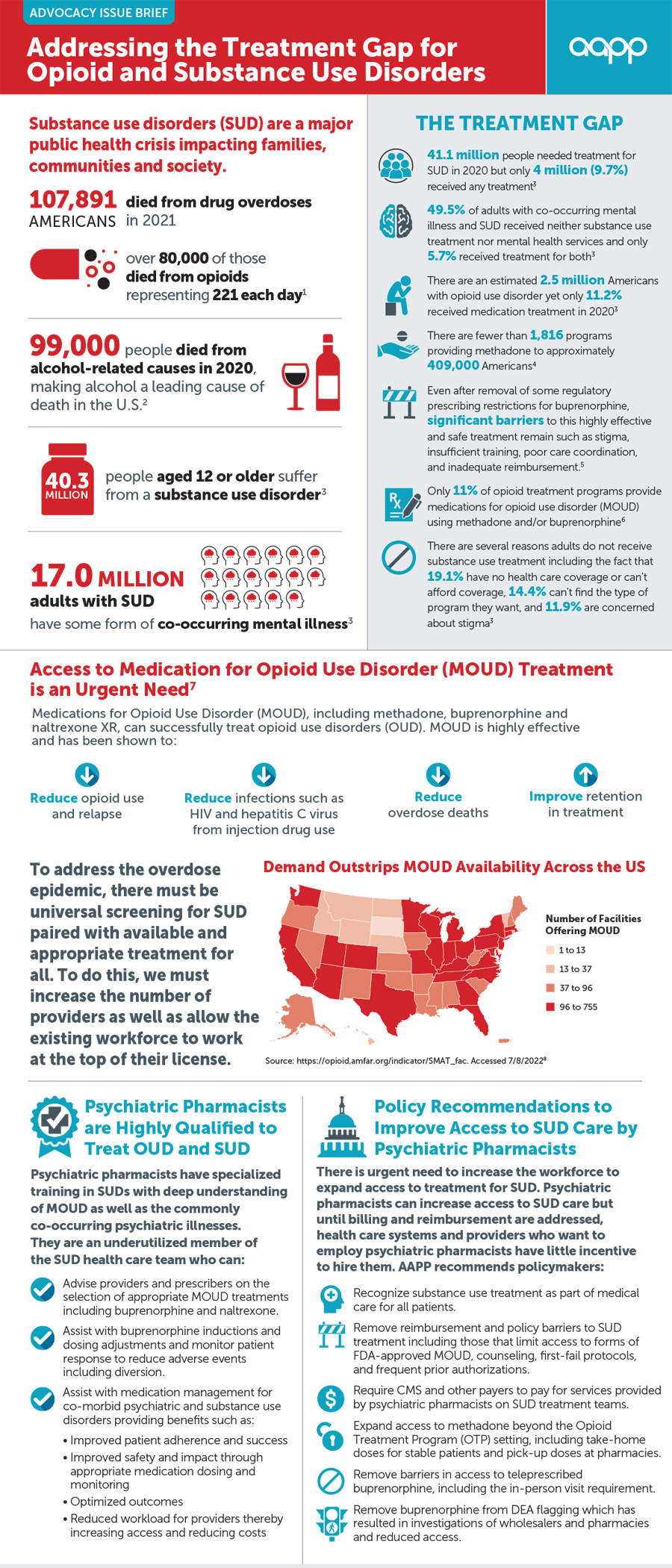
Substance use disorders (SUD) are a major public health crisis impacting families, communities and society.
No summary available
No summary available
Shared decision making is an essential element of mental health care and is supported by AAPP as a method to reduce stigma and contribute to improved quality of life.