
AAPP provides an up to date listing of Psychiatric and Neurologic Pharmacy Fellowships. Take a look at available opportunities!

AAPP provides an up to date listing of Psychiatric and Neurologic Pharmacy Fellowships. Take a look at available opportunities!
The “What I Wish I Knew” series of articles is a service of CPNP’s Resident and New Practitioner Committee. Articles are intended to provide advice from experts for students, residents, and new practitioners. Articles are not intended to provide in-depth disease state or pharmacotherapy information nor replace any peer-reviewed educational materials.

This policy brief supports and describes an evidence-based and personalized approach to psychotropic deprescribing. The brief additionally outlines that additional research is needed to determine tapering protocols and emphasizes the importance of recognizing that many individuals will still benefit from long-term psychotropic medication treatment. Access this new policy document and use it as a tool in your own advocacy surrounding this important issue.
Deprescribing of psychotropics should be done in an evidence-based and personalized way per AAPP's newest policy brief. Psychiatric pharmacists are well-equipped to distinguish the risks and benefits of deprescribing and/or the need for long-term psychotropic treatment.
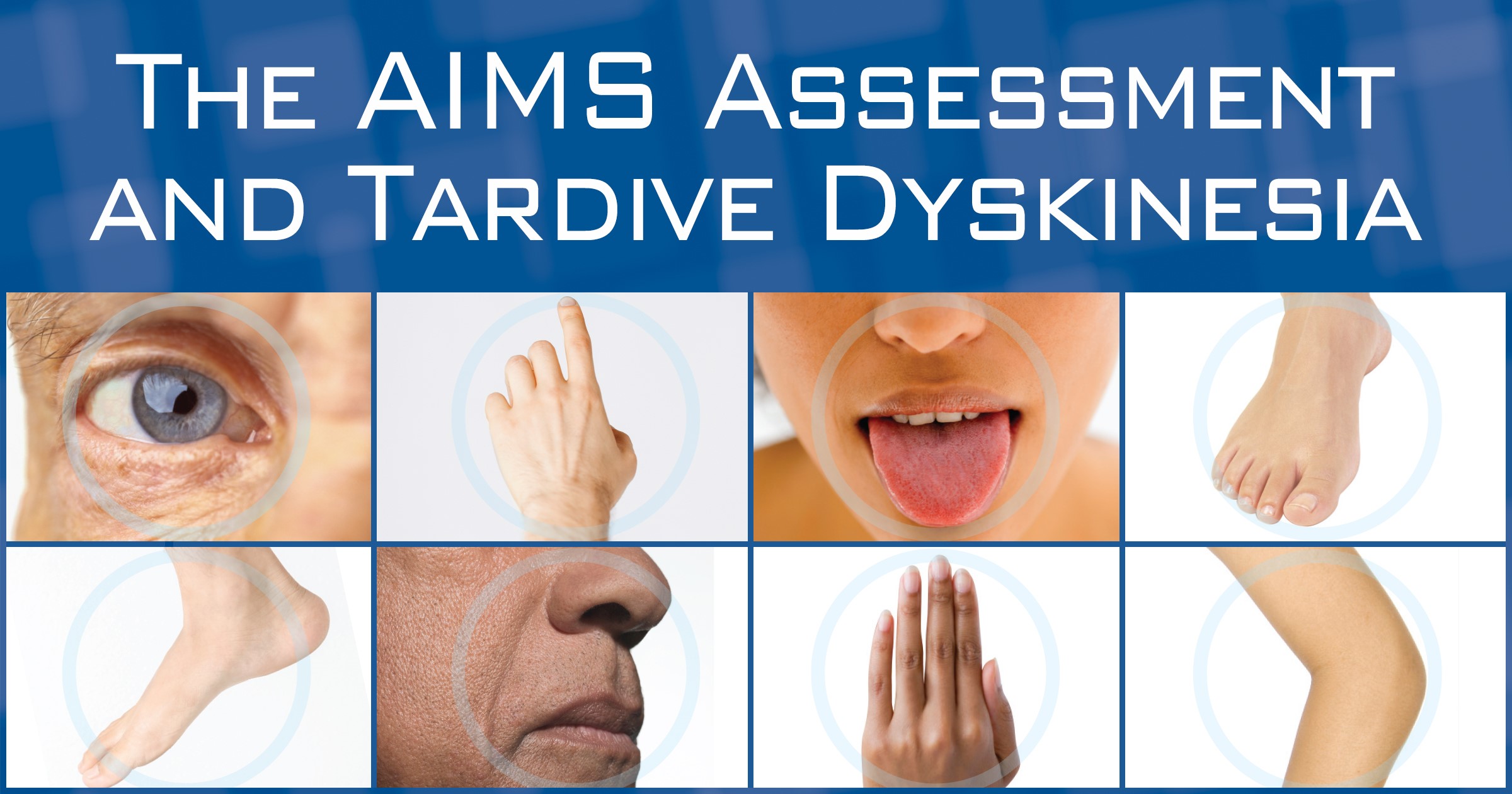
Learn the AIMS in 3 interactive courses! Learn how to administer the AIMS with tips, interactive severity assessment, and extra practice videos. Antipsychotic medications are a central part of the treatment process for those with schizophrenia and other mental health conditions, including depression and bipolar disorder. As a result, the potential for an antipsychotic to contribute to the development of a drug induced movement disorder continues to be a clinical concern.
No summary available
No summary available
No summary available
No summary available

These findings suggest that naloxone access still depends on location and pharmacy type, highlighting the urgent need to make this medication affordable and available to everyone, everywhere.
Stimulant medications dexamphetamine and methylphenidate appear comparable in short-term symptom response and 12-month persistence after initial randomised allocation, but dexamphetamine may be associated with greater weight loss.

No summary available
Further longitudinal studies and randomized clinical trials to evaluate the efficacy of interventions to reduce CU and CUD are needed.
Future research must prioritize integrated treatment platforms, implementation science to scale effective interventions like CM, and personalized strategies informed by genetics and neuroimaging.
This study demonstrated that intranasal naloxone was feasible, safe, and comparable to intravenous administration for the management of opioid poisoning in young children.
SUD status, AUD, and OUD in particular, warrant explicit incorporation into short-term risk stratification for respiratory infections in both routine clinical care and pandemic preparedness planning.
This study of recently admitted patients on methadone who also used cocaine examines their experiences and views on drug use and treatment.
These findings suggest UDT complements existing drug surveillance and provides unique insights into emerging fentanyl adulterants.
This study describes the availability of Medicare-enrolled OTPs in rural and urban counties.
These results can inform ongoing debates about the strengths and weaknesses of virtual-only OUD care.
No summary available
Evidence for sex-specific efficacy remains inconclusive.
In this meta-analysis, no medication demonstrated a significant benefit over placebo for abstinence.
In this cohort study, use of MAUDs was associated with improved survival among patients with severe ALD. This finding highlights the need for improved access to MAUDs among patients with severe ALD.
Findings provide implications for efforts aimed at discouraging vaping and suggest several possibilities for future work in the domain of narrative persuasion and social norm messaging.