
As AI chatbots become more widely used, questions are emerging about how they may affect mental health.

As AI chatbots become more widely used, questions are emerging about how they may affect mental health.
This white paper offers practical recommendations for health care leaders, policymakers, peer support programs, and individuals and families, and covers workforce development, program infrastructure, outreach, outcome measurement and policy reform.
A large, new study found that the stimulant methylphenidate, such as the drugs Ritalin and Concerta, may lower the risk of psychosis when prescribed to younger children with ADHD.
A growing proportion of antipsychotic prescriptions for older adults were written by nonphysician clinicians, reflecting shifts in the mental health care workforce and prescribing practices, cross-sectional data showed. From 2013 to 2023, antipsychotic prescription claims for Medicare Part D beneficiaries written by psychiatrists and primary care physicians (PCPs) declined annually by 3.2% and 2.6%, respectively (P0.001 for both).
Between 4.9 and 10.1 million people could lose Medicaid coverage in 2028 as the result of new work requirements and more frequent eligibility checks.
Lessons from 10 FORE Grantees that have expanded access to prevention, treatment, and recovery supports in rural communities.
This Recovery Research Institute summary highlights a cross-sectional analysis of National Survey on Drug Use and Health data showing.
The current evidence base is not sufficient to support the use of cannabis for the treatment of mental health conditions and demonstrates substantial risks of adverse effects.
In this study, the volume of patients treated with buprenorphine increased after private equity acquisition, with minimal changes in the payer mix among these patients.
The colorful packaging and fruity flavors that make nicotine pouches appealing to adults also make them tempting — and dangerous — for kids.

The Department of Health and Human Services Office for Civil Rights announced a new civil enforcement program to protect the confidentiality of SUD records for individuals under 42 CFR Part 2. This initiative allows for resolution agreements, monetary settlements, and corrective action plans aligned with HIPAA enforcement standards to address noncompliance and breach notifications.
These findings emphasize the role of social support and integrated treatment in fostering recovery and inform the design of individualized university recovery programs.
PolySU was pervasive among young people entering AOD treatment.
The primary and key secondary outcomes were illicit opioid abstinence during pregnancy and the postpartum period, respectively, defined as the proportion of weekly collected urine samples negative for illicit opioids.
Results indicate the potential of PrR to capture gradual improvements in quality of life and reflect recovery progress.
This commentary discusses how a sensitive and validated assessment is crucially needed to identify those at risk for intentional opioid overdose.
AAPP joined 39 other organizations in supporting the POINTS Act. This Act addresses the gambling addiction crisis by allocating federal funding into a competitive, discretionary grant program under the Substance Abuse and Mental Health Services Administration (SAMHSA). The grant program will support States and Tribal entities in their efforts to establish, improve, or expand programs to prevent, screen, intervene and treat problem gambling and gambling addiction in the U.S.
Burnout continues to affect a large portion of the workforce, impacting well-being, job satisfaction, and day-to-day life at work. The 2026 NAMI Workplace Mental Health Poll highlights how common these experiences are—and why support matters. The data also points to what employees say could help, including more access to mental health resources and training around stress and burnout.
Momentum continued throughout 2025 in the areas of grant support, practitioner development, and sponsorship! View our 2025 Annual Report to see the impact. Thank you to the incredible donors who support this important work.
AAPP recently published a statement of support for plaintiffs in American Academy of Pediatrics et al. v. Kennedy Jr., et al. Login to read the support letter and to see all recent comment letters.
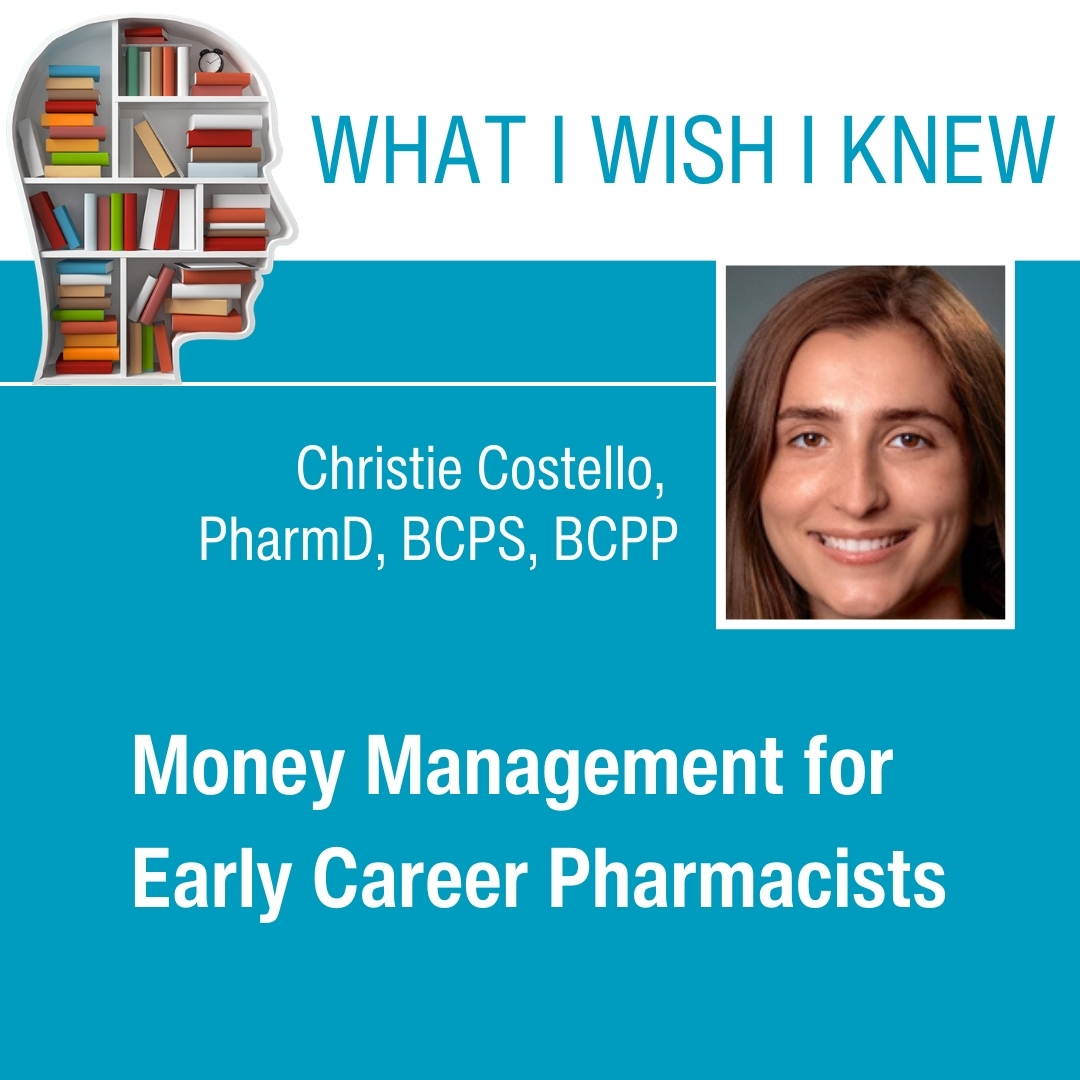
"Pharmacy school taught us how to manage complex pharmacotherapy, but it did not teach us how to budget, navigate major financial decisions, or invest. These are the financial lessons I wish I learned earlier in my career, because even a little awareness from the start can prevent a lot of stress later."
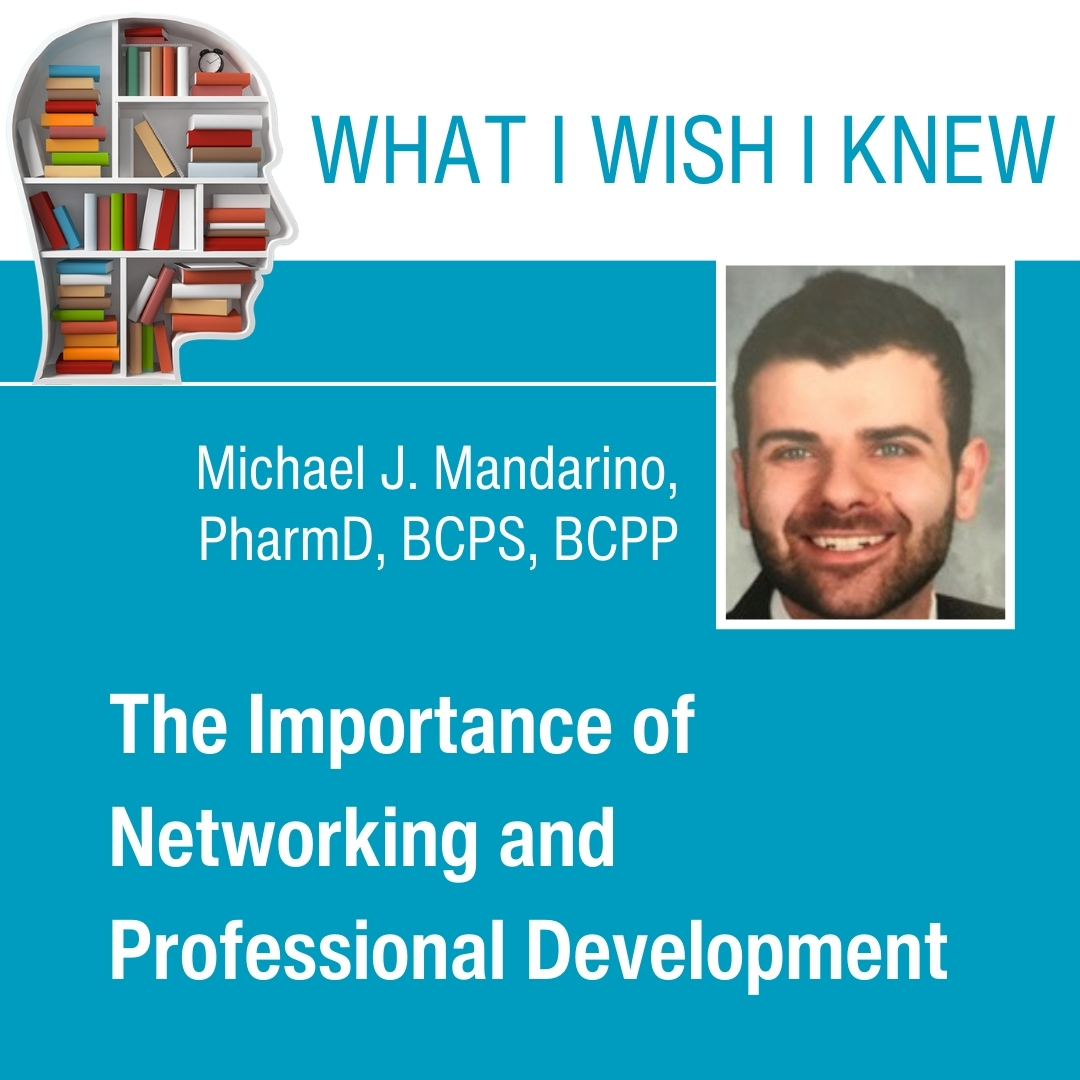
"One of the most important lessons I have learned is that professional development does not depend on having a specific title or years of clinical experience but instead depends on early intention and curiosity."
Thanks to generous AAPP Foundation donors and the AAPP Past Presidents' Destiny Fund, 33 PharmD students were awarded full, in-person student registration grants to AAPP 2026! Congratulations to each of the recipients.
Better days start here. #choosepsychpharmacy #pharmd #psychpharm #AAPP
Mental health = team sport. #choosepsychpharmacy #pharmd #psychpharm #AAPP