
Alcohol Use Disorder American Association of Psychiatric Pharmacists (AAPP) Pharmacist toolkit: Alcohol use disorder (2023) American Psychiatric Association (APA)

Alcohol Use Disorder American Association of Psychiatric Pharmacists (AAPP) Pharmacist toolkit: Alcohol use disorder (2023) American Psychiatric Association (APA)
Medication-induced movement disorders are a variety of iatrogenic and clinically distinct movement disorders caused by various psychiatric medications. The disordered movements can range from tremors to life-threatening syndromes. Movement disorders are classified based on the time of onset after drug ingestion (acute, subacute, or tardive), offending medication, and specific type(s) of abnormal movement. Extrapyramidal Symptoms
American Academy of Neurology (AAN)
No summary available
Insomnia American Academy of Neurology (AAN) Treatment for insomnia and disrupted sleep behavior in children and adolescents with autism spectrum disorder (2020) American Academy of Sleep Medicine (AASM)
American Academy of Child & Adolescent Psychiatry Practice parameter for the assessment and treatment of children and adolescents with bipolar disorder (2007) American Psychiatric Association
American Academy of Child & Adolescent Psychiatry Clinical practice guideline for the assessment and treatment of children and adolescents with major and persistent depressive disorders (2022) American Academy of Pediatrics
American Psychiatric Association (APA) Practice guideline for the treatment of patients with schizophrenia (2020) British Association for Psychopharmacology (BAP)

Innovate with a New Practice As the practice setting profiles on this site illustrate, there are diverse opportunities for psychiatric pharmacists to be creative when it comes to improving the lives of their patients. Many members have been the "first" to develop a new model. Patients and physicians appreciate the unique and complementary role of a pharmacist. Health-systems are embracing a team approach to care.
Commentary in Primary Companion on Psychiatric Pharmacist Integration Into the Medical Home CPNP outlines, via this commentary, that an integrated and holistic approach to patient care has been demonstrated to be cost effective and improves patient care and satisfaction.

Quick Response (QR) Codes are the square scannable barcodes that you see on some products and signs - and on your AAPP name badges. Although many kinds of data can be embedded in the code, we only embed a web address.

When you give in memory of another individual, you support and celebrate their lasting legacy by contributing to the Foundation’s mission and initiatives. Those wishing to donate funds in memoriam should proceed to the donation process and note the honoree in the cart. Donors can choose to support student scholarships or the AAPP Foundation general fund which supports all Foundation initiatives.
The “What I Wish I Knew” series of articles is a service of AAPP’s Resident and New Practitioner Committee. Articles are intended to provide advice from experts for students, residents, and new practitioners. Articles are not intended to provide in-depth disease state or pharmacotherapy information nor replace any peer-reviewed educational materials. We hope you benefit from this “field guide” discussing approaches to unique problems and situations.
No summary available
Psychiatric pharmacists work in an ever-growing number of diverse practice settings. Explore articles and videos to see some career paths available to psychiatric pharmacists today.
Thanks to all donors for their continued support.

The National Institute of Mental Health is an excellent resource for broshures and fact sheets on mental health disorders for patients, caregivers, and healthcare professionals. Printed materials can even be ordered free of charge!

Psychiatric and neurologic illnesses are highly prevalent and are often suboptimally treated. Pharmacists who focus on psychiatric and neurologic diseases improve outcomes for patients with these conditions. This is important in the current health care environment as most patients with psychiatric or neurologic conditions continue to have unmet needs. Read this MHC article to learn more about the value of psychiatric and neurologic pharmacists as part of the health care team.

These freely accessible resources include talking points on what psychiatric pharmacists do for patients and how they care for patients, where to locate a psychiatric pharmacist, consumer tools on common topics, and medication fact sheets.
No summary available
No summary available
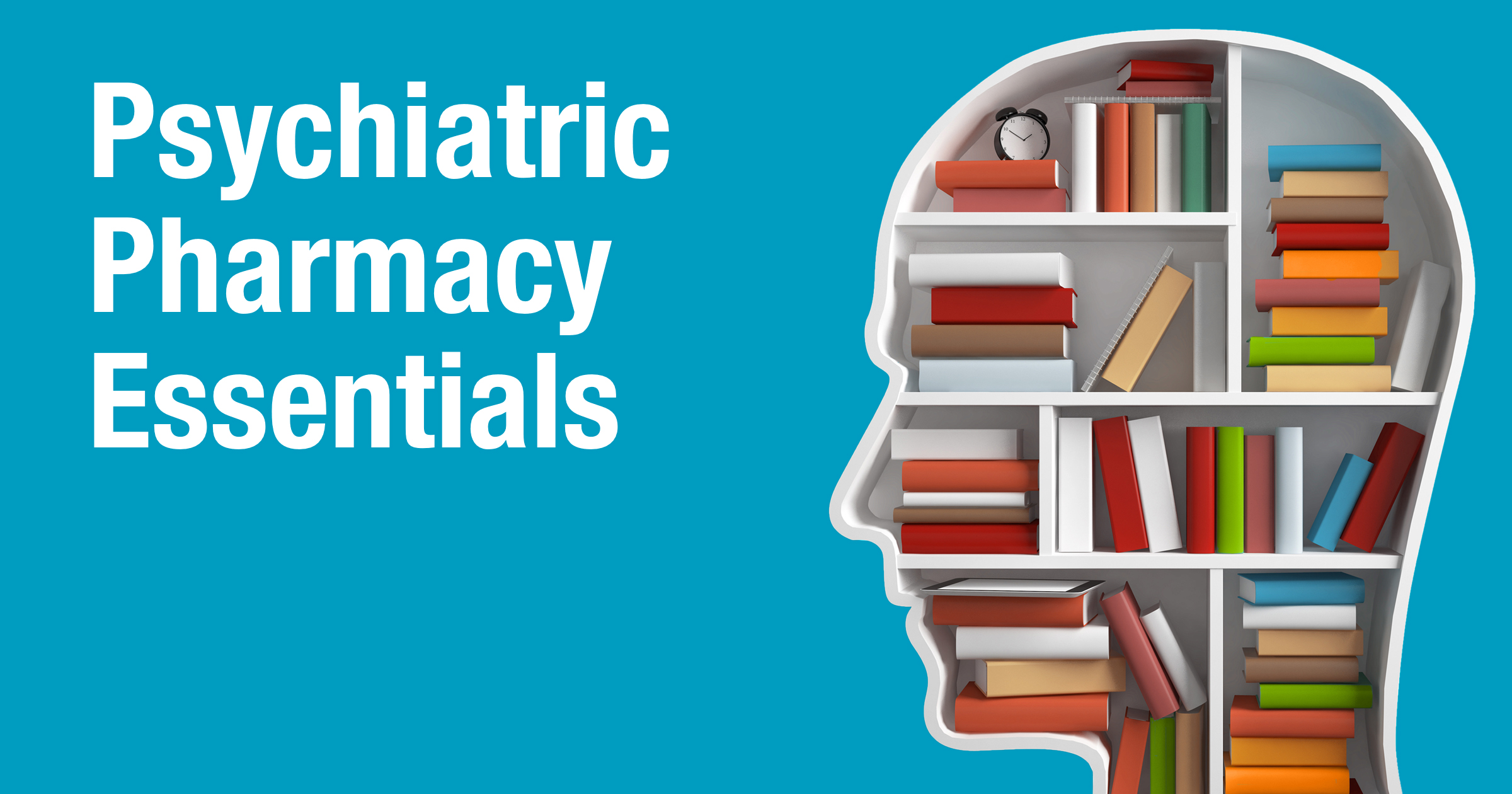
This free collection of essentials provides resources, references, and clinical pearls for practitioners beginning to practice in psychiatry.
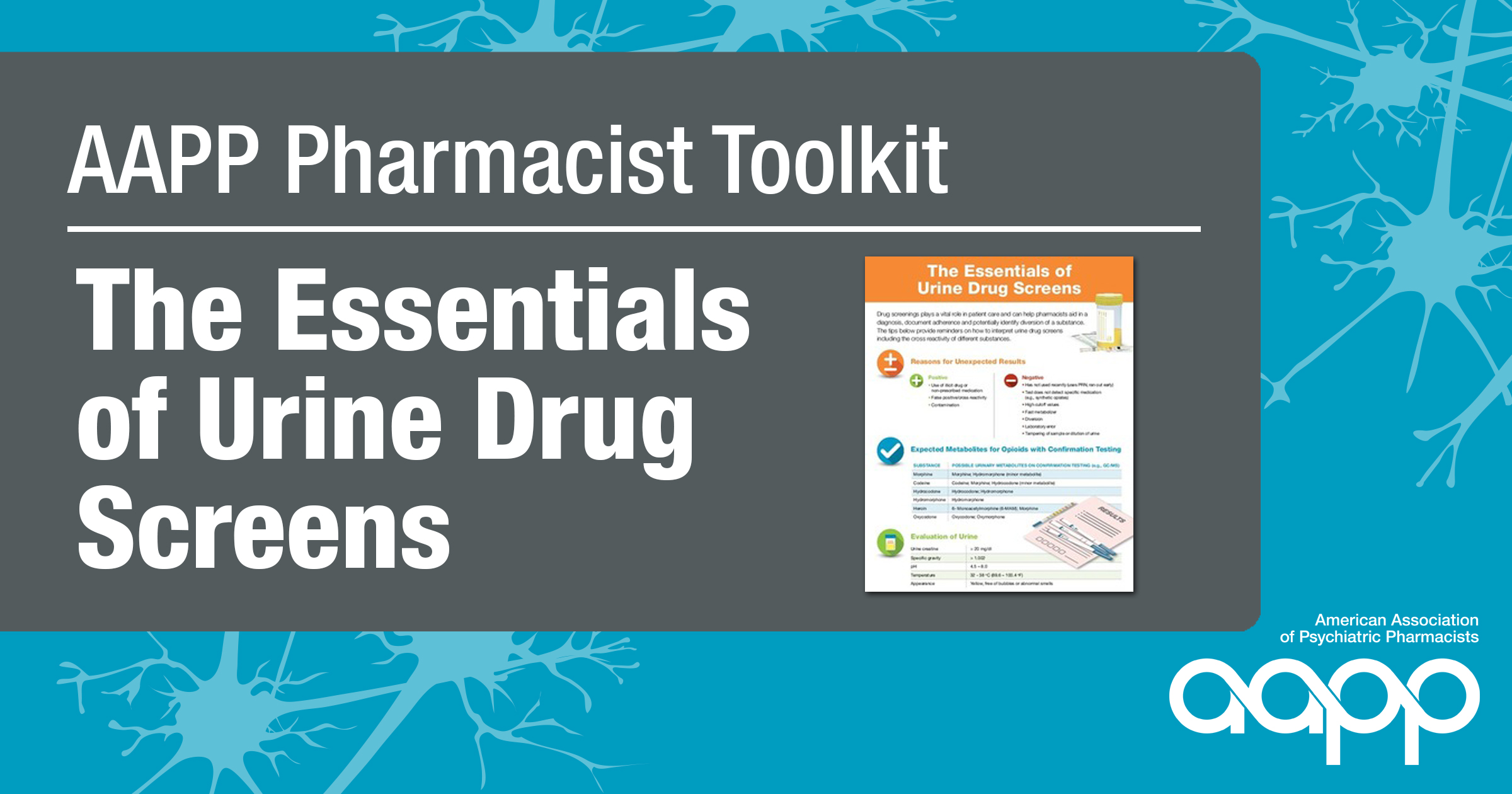
This toolkit on urine drug screens provides reasons for unexpected results, expected metabolites for opioids with confirmation testing, evaluation of urine, and potential positive results with immunoassays and detection time in the urine.
This pharmacist toolkit on benzodiazepine taper includes populations at risk for complications, screening and diagnosis, benzodiazepine withdrawal, treatment, special populations, harm reduction, clinical pearls, authors experience, and references.
Toolkit on Alcohol Use Disorder with quick tips and guideline summaries: Screening/Diagnosis, Alcohol Withdrawal, Maintenance Treatment of AUD, Special Populations and Treatment, Co-occurring Disorders, Harm Reduction Strategies, Resources and References.