
Thank you for your interest in registering for the Summit, offered by AAPP virtually, October 2-3, 2025. All purchases after the live event provide home study/enduring credit via session recordings.

Thank you for your interest in registering for the Summit, offered by AAPP virtually, October 2-3, 2025. All purchases after the live event provide home study/enduring credit via session recordings.
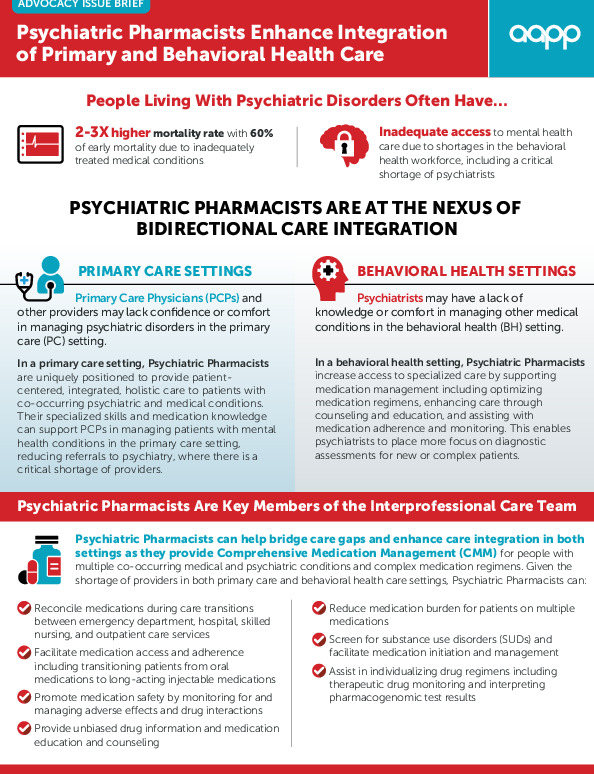
AAPP details the policy changes needed to enable psychiatric pharmacists to be key professionals helping to bridge care gaps and enhance care integration for people with multiple co-occurring medical and psychiatric conditions and complex medication regimens in both primary care and behavioral health settings. Medicare enhancements, inclusion of psych pharmacists in the collaborative care model, and financial support of PGY2 residencies are among the policy recommendations.
What you need to know about dementia.
October 2-3, 2025 You are invited to join us for the 5th Annual Summit! The Summit is designed to advance the knowledge and improve competency of participants through the delivery of evidence-based presentations on emerging areas of practice and contemporary issues in psychiatric pharmacy. This two-day, interactive, virtual conference provides knowledge and tools to improve the comprehensive care of patients with mental health disorders.
The American Association of Psychiatric Pharmacists (AAPP) promotes the utilization of evidence-based resources during the development of content for presentations, toolkits, manuscripts, etc. AAPP strives to disseminate information that is fair and balanced, grounded in sound scientific evidence, and aligned with established best practices to support safe, effective patient care.
What you need to know about vaccinations.
What you need to know about alcohol use disorder.
What you need to know about catatonia.
What you need to know about the end of medication treatment.
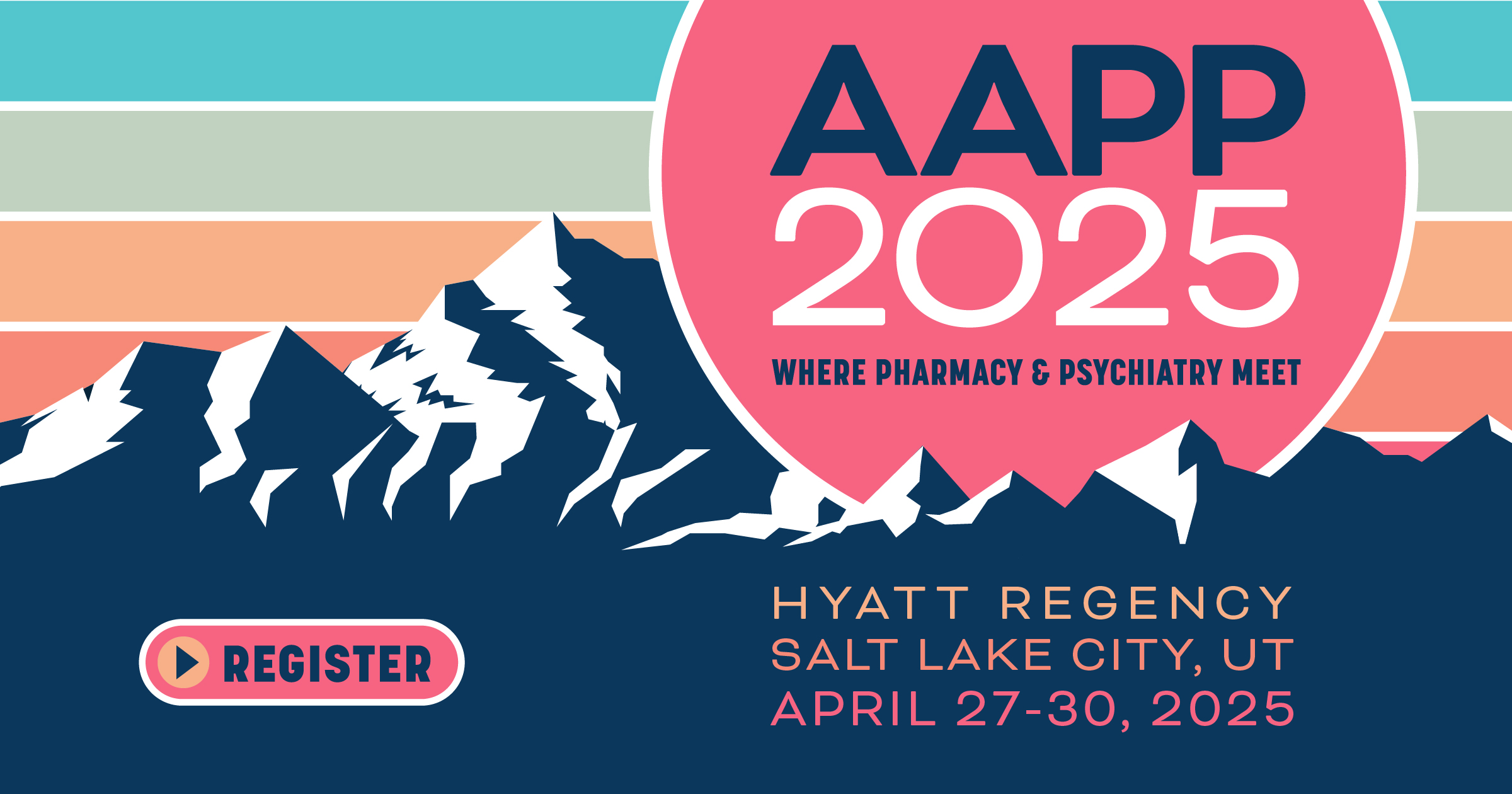
Convince Your Supervisor to Support AAPP 2025 Attendance! The merits of the AAPP Annual Meeting are undeniable. Even so, with most organizations having limited travel and education budgets, it may be necessary to show justification when selling your attendance at AAPP 2025.
Annual Meeting Registration Options Full, In-Person Annual Meeting Registration Includes AAPP and Industry-supported programming and meal functions offered. Live ACPE credit for each session you attend Home study ACPE credit for
Salt Lake City International Airport (SLC) Salt Lake City International Airport hosts more than 330 flights daily to 95 nonstop destinations! The airport recently had major renovations resulting in added flights and is located just 7 miles from the Hyatt Regency Salt Lake City, the host of AAPP 2025.

The 2024 Summit will be held virtually October 10-11, 2024 and includes two reserved slots for industry symposia. The Summit will offer a robust, online experience and welcomes past and new partners to consider offering an industry symposium with ACPE credit.
October 10-11, 2024 You are invited to join us for the 4th Annual Summit! The Summit is designed to advance the knowledge and improve competency of participants through the delivery of evidence-based presentations on emerging areas of practice and contemporary issues in psychiatric pharmacy. This two-day, interactive, virtual conference provides knowledge and tools to improve the comprehensive care of patients with mental health disorders.
Email: info@aapp.org Phone: 402-476-1677 Mailing: 8055 O Street Suite S113 Lincoln, NE 68510
2024 Recertification Editorial Board Marissa Cullen, PharmD, BCPP
Target Audience The Summit is a 2-day virtual meeting devoted to advancing the care of individuals living with mental illness. Participants in the Summit will improve their ability to care for patients diagnosed with mental illness(es), with a focus on emerging areas of practice and contemporary issues in psychiatric pharmacy at the specialist level. Topics span treatment settings and are of value to all psychiatric pharmacists regardless of the practice setting.

Research at the Forefront The AAPP Foundation Board of Directors is proud to have research as one of the three core pillars in our mission: “As the philanthropic arm of AAPP, our mission is to advance the psychiatric pharmacy profession by supporting research, scholarship, and practitioner development.” In 2024, we extended our commitment.
What you need to know about Stimulant Use Disorder Treatment.
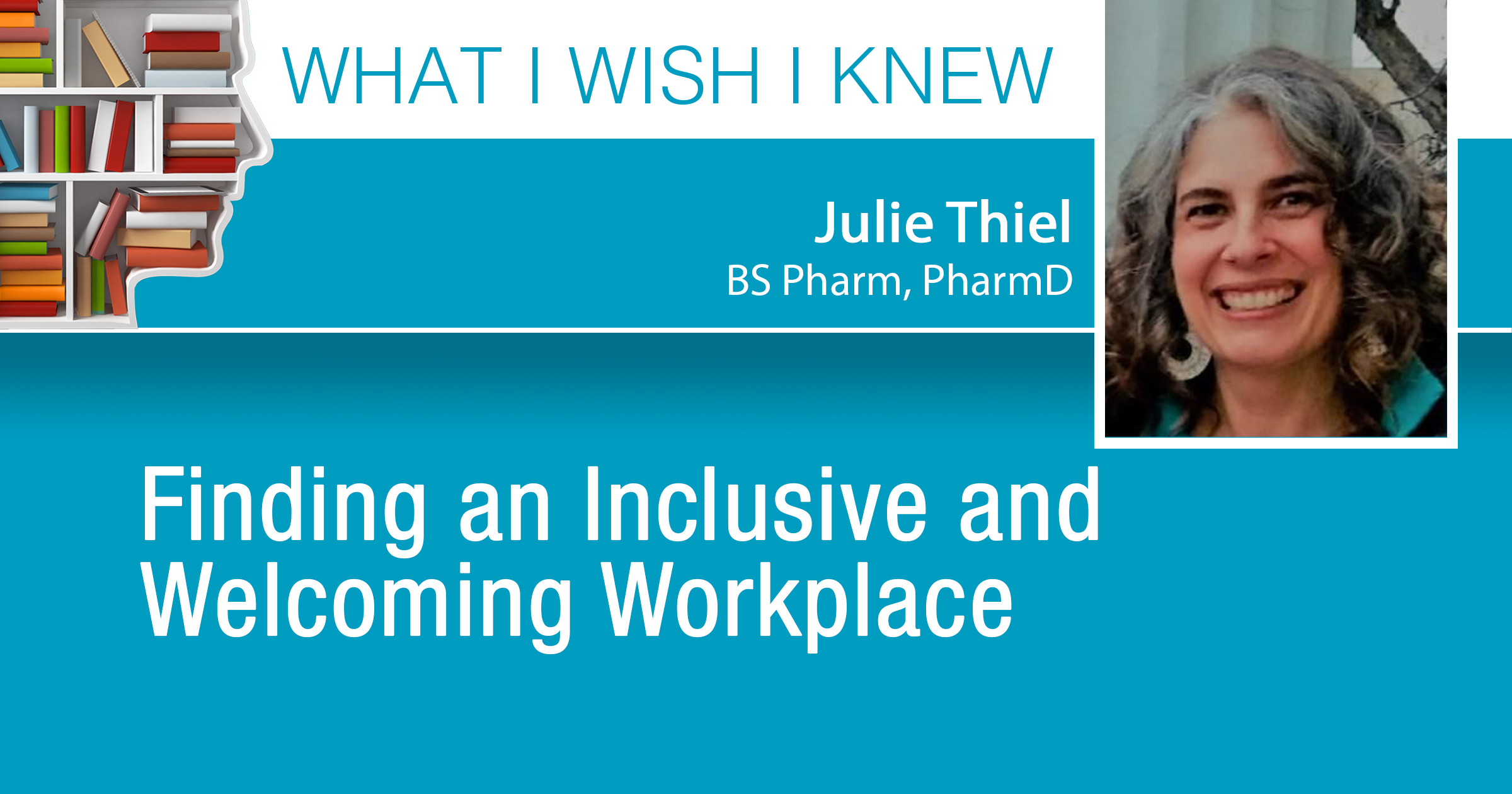
Julie Thiel, BS Pharm, PharmD State of Wisconsin Department of Health Services, Division of Public Health, Bureau of Community Health Promotion, Family Health Section, Children and Youth with Special Health Care Needs Unit Supervisor Madison, WI
What you need to know about Nonpharmacological/Alternative Treatment Options.
What you need to know about Accessing Mental Health Treatment.
What you need to know about Harm Reduction for People Who Use Drugs (PWUD).
The AAPP Advocacy Framework helps prioritize various initiatives and ensure that AAPP engages with all relevant stakeholders at the appropriate level.
Student opportunities are available only for in-person attendees in Orlando, Florida.