What to know about opioids.

What to know about opioids.
What to know about medication disposal.
What to know about medication discontinuation.
What to know about maternal mental heath.
What to know about transgender hormone therapy.
What you need to know about CBD.

How about some trivia? How many meetings does a chapter need to hold each year to maintain its status as a recognized AAPP collegiate chapter? The answer to this and many other chapter requirements can be found in the Student Chapter Formation Manual from the Student Chapter Hub.
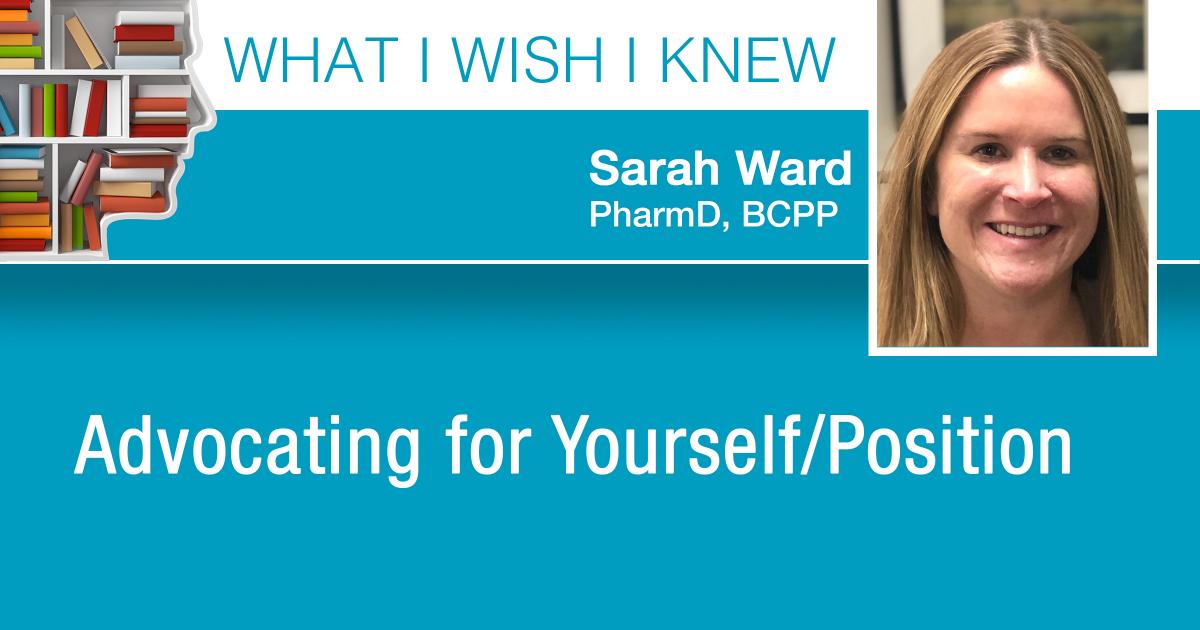
Sarah Ward, PharmD, BCPP Mental Health Clinical Pharmacist Practitioner Veterans Affairs – Veterans Integrated Service Network 10 Cincinnati, OH
There are 50 Pharmacy schools across the country that have AAPP Student Chapters, and more are joining every year! Check out the AAPP website for a list of existing chapters. Think about reaching out to a nearby chapter to collaborate on an upcoming activity, or for ideas on activities that could be done within your own organization.

"While working with the inpatient unit, I learned more about the transition of care to our outpatient Women's Mood Disorder clinic, the site for my ambulatory rotation during residency. My residency program director coordinated with the attending physician who oversaw the clinic, and I was immediately acknowledged as a member of the team. I was the first pharmacist to practice in this setting, which was a valuable experience in and of itself.

Mental illness and substance use disorders are common in correctional populations. Watch this video to learn about a psychiatric pharmacist's role in correctional healthcare.
Substance use disorders are highly prevalent among patients with mental health conditions. Troy Moore, Pharm.D., M.S., BCPP shares his experience in the management of substance use disorders within the Veterans Health Administration.
Here you will find tools and resources for all AAPP Collegiate chapters - whether you are considering starting a chapter at your pharmacy school or are looking for information for established chapters.
A commentary recently published in the journal Primary Care Companion for CNS Disorders entitled “Psychiatric Pharmacist Integration Into the Medical Home” details the fact that persons with chronic medical illnesses often have co-occurring behavioral health illnesses that require diagnosis and treatment.
The fellowships listed below are related to psychiatric and neurologic pharmacy. The last update to the list was in September 2025. If you would like to make an addition or a change, please email the fellowship details to the AAPP office.
The American Association of Psychiatric Pharmacists (AAPP) Committees and Task Forces are the lifeblood of the organization linking the association with the attitudes and real world of its members. AAPP Committees ensure group participation in problem solving and provide a forum for the many interests within AAPP.
Grassroots advocacy can be one of the most influential tools that organizations and associations have. Through mass emails, letter writing campaigns, and phone calls, grassroots advocates can bring issues to the attention of legislators at all levels from state to federal government. We understand that you are busy with other important priorities and responsibilities.
Gold

No summary available
No summary available
No summary available
No summary available
No summary available
No summary available