
News and Insights for Psychiatric Pharmacists
Last Chance to Apply for Up to 2 DEI Travel Grants to AAPP 2026
We are down to the last few days for you to apply for the DEI Travel Grants to AAPP 2026. Funded by the AAPP Foundation and administered by the AAPP DEI Committee, these two $2,500 grants are intended to recognize work being done in the area of DEI while also recognizing the financial challenges some might experience in attending AAPP 2026 in Seattle, Washington, April 19-22. Check out the grant criteria and application process and input your application no later than close of business on 12/19/25.
Navigating the Peer Review Process: A Guide for New Reviewers
Improve your peer review skills! Discover the components to evaluate, the role of the peer reviewer, the skills necessary to critically evaluate a manuscript, and how to provide feedback to authors and journal editors.

Cancer and Mental Health: Kelly Gable Shares Lived Experience
Kelly Gable, professor and director of well-being and resilience at Southern Illinois University Edwardsville School of Pharmacy, and member of the AAPP Board, discusses her own cancer journey and how pharmacists need to be more involved and proactive in patients' mental health.
Advocating for the Evidence: Substance Use Disorder Treatment
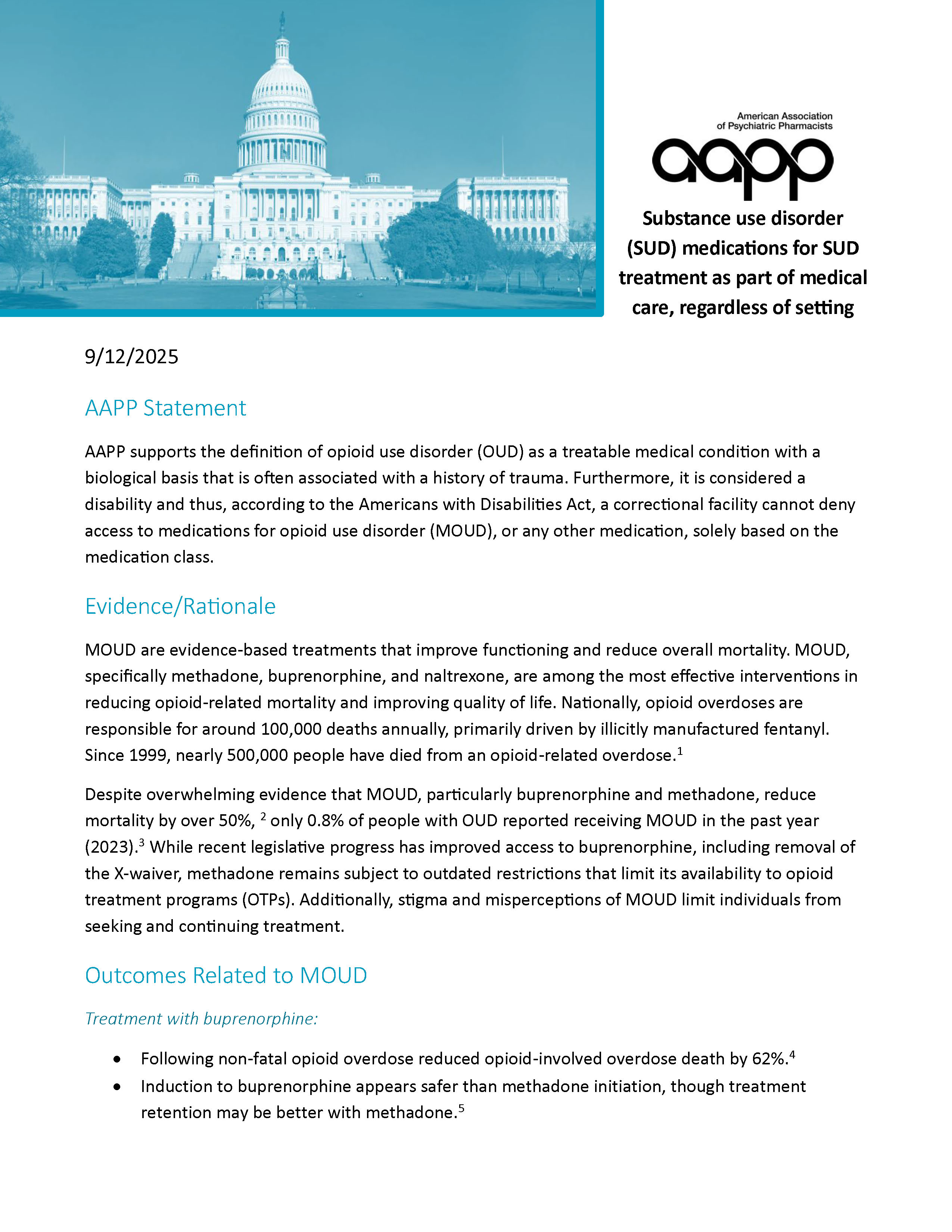
AAPP supports defining opioid use disorder as a treatable medical condition with a biological basis that is often associated with a history of trauma. Access to MOUD is essential in reducing deaths related to opioid overdose and landmark studies clearly demonstrate that the benefits of MOUD outweigh the risks. Psychiatric pharmacists are encouraged to use this policy brief to support your own advocacy for this gold-standard treatment.

Therapeutic Use of Cannabis and Cannabinoids
Evidence is insufficient for the use of cannabis or cannabinoids for most medical indications.
WHO expert group’s new analysis reaffirms there is no link between vaccines and autism
New analysis from a WHO global expert committee on vaccine safety has found that, based on available evidence, no causal link exists between vaccines and autism spectrum disorders (ASD). The conclusion reaffirms WHO’s position that childhood vaccines do not cause autism.
Reflections on AAPP 2025: What I’m Grateful For
As I look back on this year for the American Association of Psychiatric Pharmacists (AAPP), I am deeply grateful for the achievements that have strengthened our association and advanced our shared mission.

AMA House of Delegates Passes ASAM’s Resolution to Eliminate Barriers to Medications for OUD
The AMA House passed resolution that directs AMA to advocate at both the state and federal level, for the removal of red flag designations for ordering FDA-approved products to treat OUD. It also calls for the removal of other barriers to medications for OUD, including prior authorizations.
Therapeutic Use of Cannabis and Cannabinoids - A Review
Evidence is insufficient for the use of cannabis or cannabinoids for most medical indications. Clear guidance from clinicians is essential to support safe, evidence-based decision-making.
Structural Drivers of the Drop in Opioid Overdose Deaths in the US
This study used our peer-reviewed model of the US opioid crisis to demonstrate how a falling at-risk population combined with probable plateauing of the mortality rate produced the recent decline in US overdose deaths.
Drug Use After Emergency Department-Initiated Injectable Buprenorphine: A Secondary Analysis of the ED-INNOVATION Ancillary Safety and Feasibility Trial
ED-initiated XR-BUP was associated with substantial reductions in opioid and polysubstance use during the first week post-discharge, supporting its role in early overdose risk mitigation and highlighting its value as an ED-based intervention for opioid use disorder.
Post Office Consolidation Impacts Mail Order Medication Access
Across large parts of the U.S., more than 60% of residents are connected to a post office slated for consolidation, with some counties topping 80%. And these are the same communities — often rural, older, and managing chronic conditions — that depend most on timely mail-order medications, according to research from The Brookings Institution. Mail-order pharmacy use increases roughly 20% for every 10 miles farther a patient is from a pharmacy. About 6% of U.S. residents, or roughly 3.7 million Medicare beneficiaries, face a triple burden of limited pharmacy access, high mail-order use, and exposure to postal network restructuring.
Cognitive Outcomes of Children Exposed to Selective Serotonin Reuptake Inhibitors Through Breast Milk
In this cohort study including children prenatally exposed to SSRIs, additional exposure to SSRIs through breastfeeding was not associated with reduced IQ scores.
Older adults increasingly prescribed antipsychotics
Antipsychotic prescriptions for older adults in the U.S. have increased in the last decade, especially from long-term care pharmacies. That’s according to a study published in JAMA Psychiatry, which found that among adults aged 65 and older, rates of antipsychotic use increased from 2.67 per 100 people in 2015 to 4.05 per 100 in 2024. Researchers analyzed a decade of antipsychotic prescription claims from around the country for more than 8 million people aged 65 or older. Long-term use increased over the years, as did prescriptions from long-term care pharmacies. Prescriptions from psychiatrists declined. The patterns suggest an increase in chronic conditions or cognitive impairments among older adults, the authors write. They believe the increase in prescriptions emphasize the importance of improving mental health care and behavioral interventions for this population.
Integrating Methadone Into Primary Care: Lessons From Ukraine
Despite strong evidence, there is a large implementation gap in both high-income and LMIC settings.
Antidepressant deprescribing: Slow tapering plus therapy is best way to come off medication, say researchers
The analysis directly compared the effectiveness of different strategies on the rate of relapse either with or without psychological support.
CMS Explains Hardship Exemptions In Medicaid Work Requirements
States will have some flexibility in requiring Medicaid beneficiaries enrolled in the expansion population to meet the new work requirements, CMS says in its initial guidance on provisions of the GOP megabill, which also allocated $200 million in Government Efficiency Grants to help states implement the new community engagement requirements. Among the completely exempted beneficiaries are former foster care children, pregnant women, certain native populations, inmates, caregivers of a 14-year-old or younger, beneficiaries diagnosed with special medical needs, and Temporary Assistance for Needy Families and Supplemental Nutrition Assistance Program enrollees. Beneficiaries enrolled in certain substance use disorder treatment and rehabilitation programs are also exempt. States will have the option to exempt beneficiaries from work requirements if they meet “certain short-term hardship events.” These are “receiving inpatient hospital services or certain other types of medical care; residing in a locality where there is a Presidential declaration of a disaster or emergency; residing in a locality with an unemployment rate over certain thresholds; or needing to travel outside of their community for an extended period of time, for themselves or their dependents, to receive treatment of a serious or complex medical condition where such treatment is not available within the individual’s community of residence.” Meanwhile, states only have to provide written notice of initial enrollment denials and fair hearing rights before dropping the beneficiary from coverage at the end of the 30-day period.
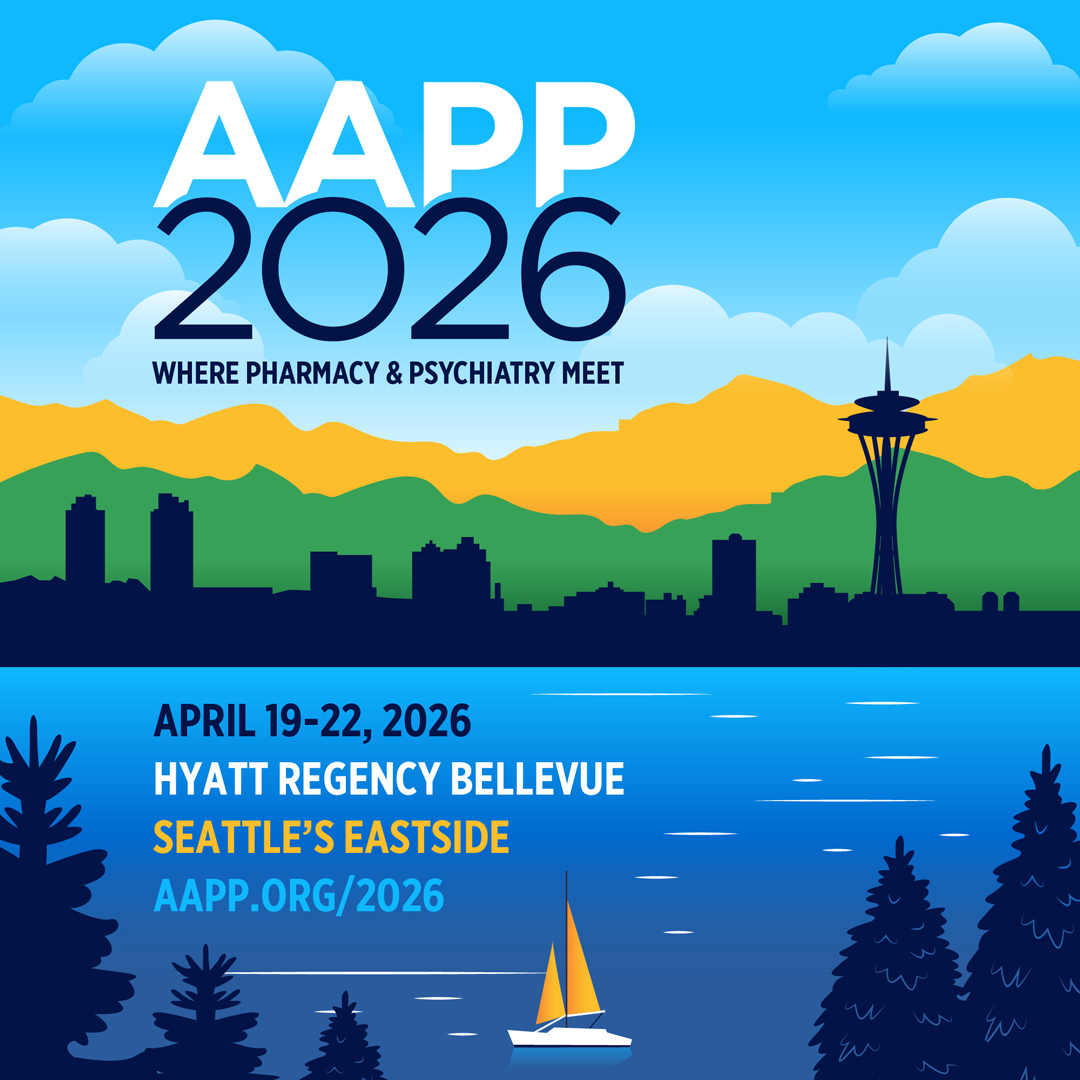
Registration is open!
Registration is open for AAPP 2026 in Bellevue, Washington, on Seattle's Eastside! Plan to attend along with 800+ psych pharmacists and take advantage of 23+ hours of CE and 10 hours of BCPP recertification programming. Registration rates increase March 20, 2026.
BREAKING: 2028 and 2029 Annual Meeting Locations Posted
We're pleased to give AAPP members a sneak peek at future Annual Meeting locations! Which city are you the most excited for?

Pharmacy careers change lives
Pharmacy careers change lives. Learn if a job as a pharmacist is right for you and how you can help people live better, healthier lives. #Pharmacy #PsychPharm

Foundation Annual Campaign Post #9 - $75,000 Goal!
Barriers to access shouldn’t stand in the way of opportunity. Student Registration Grants supported by the AAPP Foundation help aspiring psychiatric pharmacists attend key events and grow professionally. Support the next generation of psychiatric pharmacy leaders. #AAPPFoundation #AdvancingPsychPharmacy

Practice Settings
Psychiatric clinical pharmacists are pivotal in the care of patients with substance use disorders to advocate for and initiate medications for alcohol use disorder (MAUD) and opioid use disorder (MOUD). Pharmacists are uniquely positioned to counsel patients on MAUD/MOUD, provide naloxone on discharge, and further facilitate transitions of care by ensuring affordability of these medications and confirming continuity via outpatient follow up.
Clinical Pearl Submissions Due Jan. 8
Clinical pearls are an important part of medical education where psychiatric pharmacists share their experiences with unique patient cases and/or clinical challenges. The Program Committee is pleased to once again be accepting submissions for 13-minute presentations at AAPP 2026 on Tuesday, April 21, in Bellevue, Washington (on Seattle's Eastside). Pharmacists should submit their clinical pearl online for consideration by the January 8, 2026, deadline, and up to 3 presentations will be selected for the Clinical Pearls session.

Advanced Track Psychotropic Long-Acting Injectable Program
Ready to lead the way in psychotropic LAI implementation? This 6-part educational series equips learners with advanced knowledge across clinical care, patient engagement, leadership advocacy, and financial sustainability. #LAIs #psychiatricpharmacy #CE
DOE Proposes Changes to Graduate Degrees
Pursuant to provisions of H.R.1, the Department of Education (DOE) has recently proposed changes that may result in several graduate degrees, including social work and some counseling degrees, no longer being classified as “professional” programs. This change would limit the maximum available loan amounts for graduate students pursuing advanced degrees in these fields. The proposal would limit the annual amount of public loans an individual can obtain for graduate degrees to $20,500 per year and $100,000 over the course of one's lifetime.
Support Act Reauthorizes Funding for Crucial Programs
On Monday, Dec. 1, President Trump signed into law H.R.2483 — the SUPPORT for Patients and Communities Reauthorization Act of 2025, reauthorizing funding through the next five years for many crucial programs, including the Substance Use Disorder Treatment and Recovery (STAR) Loan Repayment Program. It also supports critical recovery efforts achieved through the Building Communities of Recovery program and comprehensive opioid recovery centers.
Contingency management interventions for substance use and addictive behaviours: Review of the United Kingdom evidence base
Clinical effectiveness was supported in most studies, particularly for promoting abstinence and medication adherence.
The Impact of Constant Observation in Pediatric Mental Health Emergencies: Perspectives from Emergency Department Staff
This study’s results support advanced psychiatric-mental health practice nurses and emergency and psychiatric-mental health clinical nurses in improving the quality of care and safety for this vulnerable population.
The Role of Psychedelics in the Treatment of Substance Use Disorders: An Overview of Systematic Reviews
Evidence suggests that the use of serotonergic and non-serotonergic psychedelics for the treatment of SUD may provide advantages over traditional therapeutics.
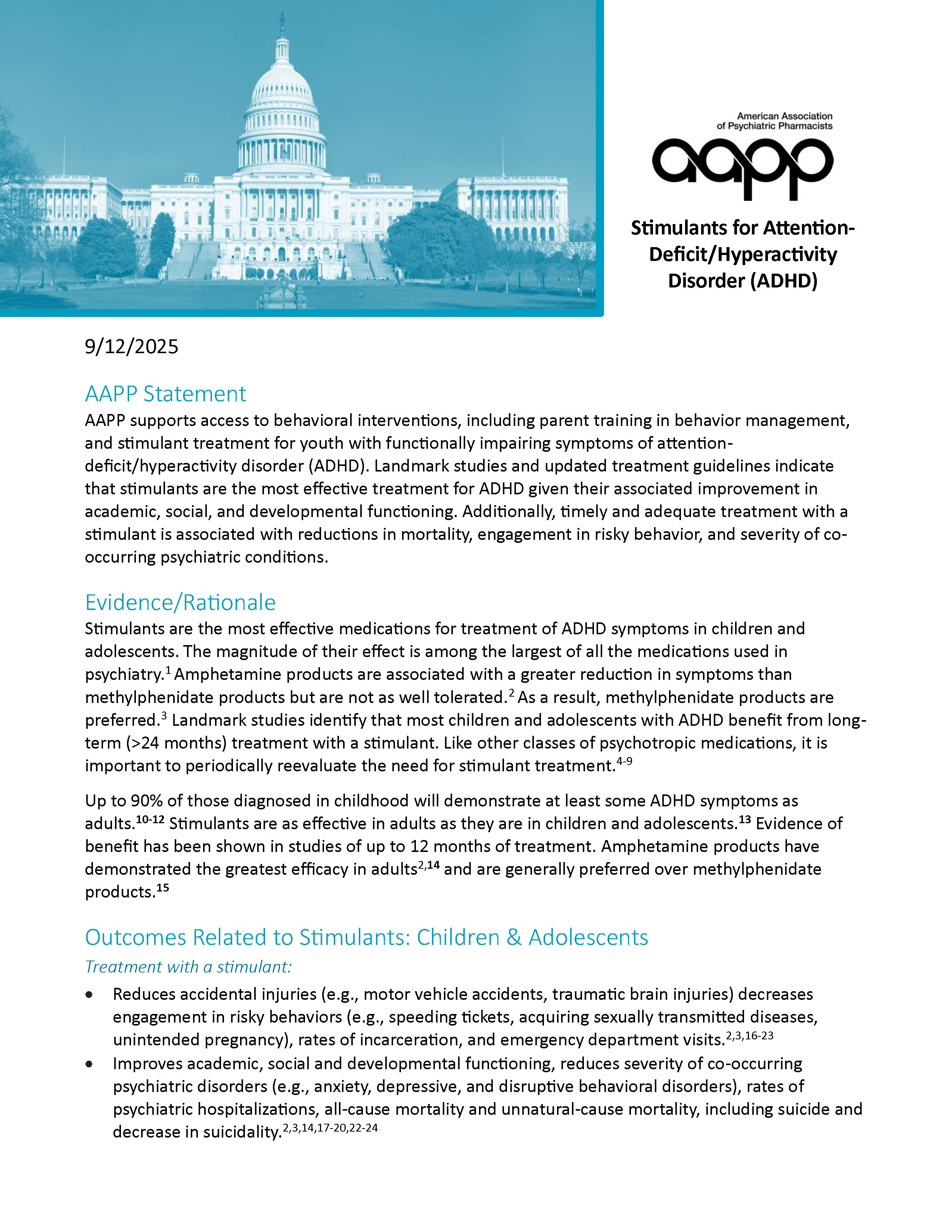
Advocating for the Evidence: Stimulants for ADHD
AAPP supports access to behavioral interventions, including parent training in behavior management, and stimulant treatment for youth with functionally impairing symptoms of attention-deficit/hyperactivity disorder (ADHD) as the most effective treatment for ADHD given their associated improvement in academic, social, and developmental functioning. Psychiatric pharmacists are encouraged to use this policy brief to support your own advocacy for this gold-standard treatment.

Working to Bend the Curve Towards Increased Appropriate use of Long-Acting Medications
There are many patients with serious mental illness and substance use disorder who may benefit from a long-acting medication but are not offered a trial. Long-acting medications (LAMs) have been underutilized for these conditions, despite convincing evidence of their superior outcomes compared to oral medications.
Acute Effects of Cannabis on Alcohol Craving and Consumption: A Randomized Controlled Crossover Trial
Following overnight cannabis abstinence, smoking cannabis acutely decreased alcohol consumption compared to placebo.
Contingency management for unhealthy alcohol use: A systematic review and meta-analysis
This systematic review and meta-analysis demonstrates that CM effectively reduces alcohol use among adults with UAU.
Very low nicotine content cigarettes for smoking cessation: Examining a facilitated extinction approach and dosing schedule
These findings suggest VLNC cigarettes may aid broadly in cessation efforts and demonstrate feasibility for larger trials.
Now Accepting Scientific Abstract Submissions for 2026
You can submit abstracts online for the 2026 AAPP Annual Meeting from now through January 8, 2026. Accepted abstracts will be displayed during the meeting at the Hyatt Regency Bellevue in Bellevue, Washington, held April 19-22, 2026.
BPS Opens Applications for Board-Certified Pain Management Pharmacists to Serve on Pain Management Pharmacy Specialty Council
BPS issued a call for applications for Board-Certified Pain Management Pharmacists (BCPMP) to serve on the BPS Pain Management Pharmacy Specialty Council for a term starting in February 2026. A maximum of four BCPMP positions are available. Applications are due no later Friday, December 12, 2025 by 5:00 pm Eastern Time.
DEI Travel Grant to AAPP 2026 Now Open for Applications
AAPP Foundation and the AAPP DEI Committee are pleased to announce the 2026 DEI Travel Grant to the Annual Meeting. The DEI Travel Grant application window is open September 15- December 19, 2025. The goal of this grant is to support up to 2 practicing pharmacists and residents who are:
AAPP Pharmacist Toolkit: Benzodiazepine Taper
This free pharmacist toolkit on benzodiazepine taper includes populations at risk for complications, screening and diagnosis, benzodiazepine withdrawal, treatment, special populations, harm reduction, clinical pearls, authors experience, and references.

Advanced LAI Training Program is Available!
Whether you're improving transitions of care, managing special populations, or building a profitable clinic - this program has you covered! Register now and gain up to 9 CE credits by completing modules of interest. #LAI
Trends in Methadone Use for Pain and Opioid Use Disorder Among Medicaid Enrollees
There were modest increases in methadone and buprenorphine use per 1000 Medicaid enrollees from 1999 to 2010.
Foundation Annual Campaign Post #8 - $75,000 Goal!
Diversity, Equity, and Inclusion aren’t just buzzwords—they are essential to progress. Support DEI Grants that help psychiatric pharmacy become a more inclusive and representative profession. Your contribution can help amplify new voices and perspectives. #AAPPFoundation #AdvancingPsychPharmacy
Reimagining Patient Care: Targeting Unmet Needs in Major Depressive Disorder (MDD)
Join us for a live webinar December 3! This program will explore the impact of MDD and the challenges people may face with the disease, including residual symptoms despite antidepressant treatment. We shed light on why adjunctive treatment with an atypical antipsychotic may be considered for these patients and how the patient’s symptom profile can help shape their treatment plan. The efficacy and safety of an atypical antipsychotic treatment option are examined to understand its use as an adjunctive therapy with an antidepressant for the treatment of MDD. Click the link to learn more and register!

Developing Effective Test-Taking Skills
Planning to sit for the BCPP exam? We've got resources! #BCPP #AAPP #examprep #psychpharmacy
Complimentary Clozapine Education Series
Earn up to 5.5 ACPE contact hours during this on-demand, seven-part educational series! Webinars are immediately accessible. Register and start today!
Giving Tuesday is Almost Here – Make a Difference!
Giving Tuesday is almost here! The campaign starts at midnight tonight, and the world is ready to make a difference. To support the AAPP Foundation and help us reach our annual fundraising goal of $75,000, please make your donation online or by mail to: AAPP Foundation 8055 O Street, Suite S113 Lincoln, NE 68510 Your donation will make a difference! Thank you for partnering with us to advance psychiatric pharmacy.
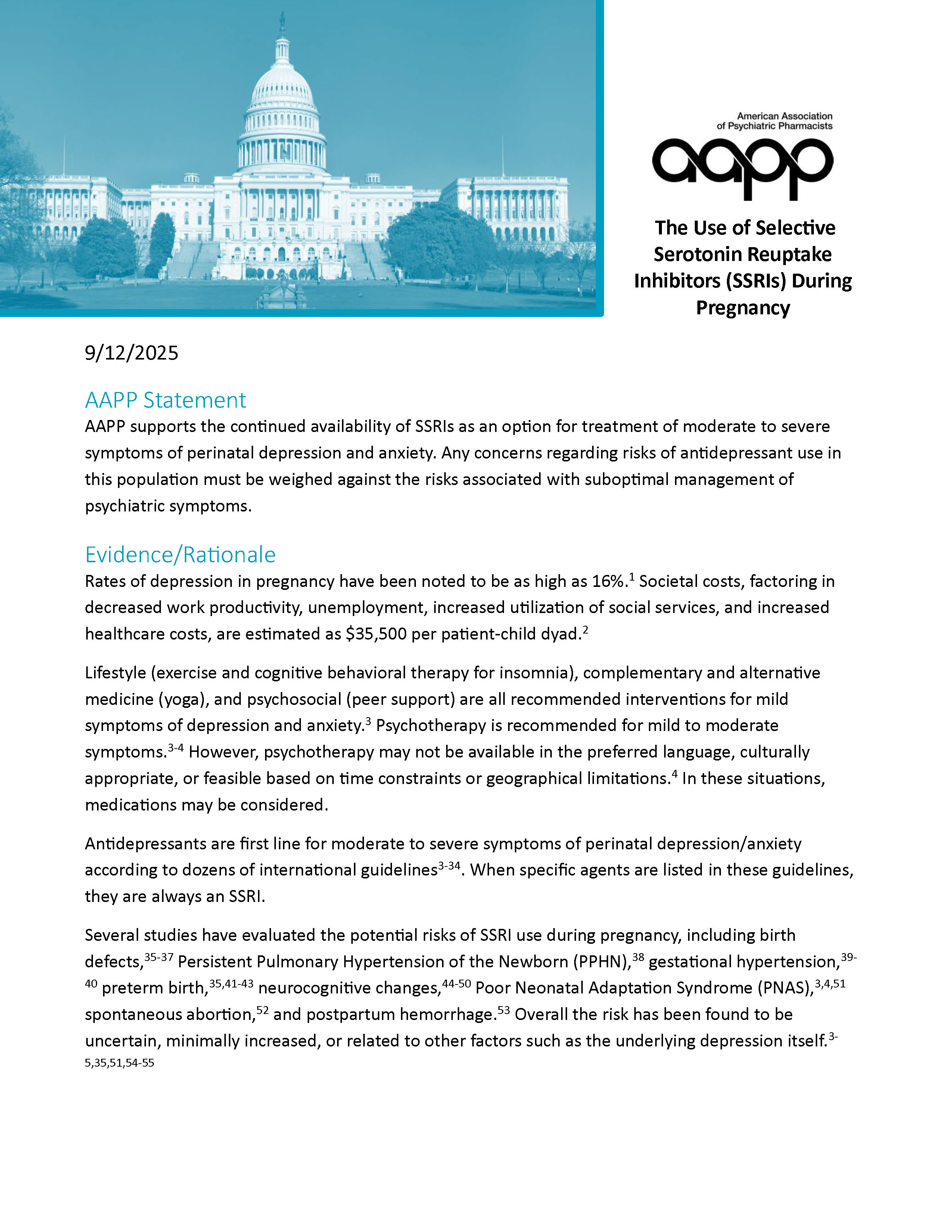
Advocating for the Evidence: SSRIs and Pregnancy
AAPP supports the continued availability of SSRIs as an option for treatment of moderate to severe symptoms of perinatal depression and anxiety. Any concerns regarding risks of antidepressant use in this population must be weighed against the risks associated with suboptimal management of psychiatric symptoms. Psychiatric pharmacists are encouraged to use this policy brief to support your own advocacy for this gold-standard treatment.
AAPP Treatment Guidelines and Pharmacy Essentials Updated
The AAPP Resident and New Practitioner Committee recently completed updates to treatment guidelines and pharmacy essentials. These free resources provide references and clinical pearls for practitioners beginning to practice in psychiatry as well as treatment guidelines for anxiety and related disorders, bipolar disorder, depression, medication-induced movement disorders, schizophrenia, seizure disorders, sleep-wake disorders, and substance use disorder.
Foundation Annual Campaign Post #7 - $75,000 Goal!
Be part of defining what’s next for psychiatric pharmacy. A $250/month donation funds “Defining the Future” Research Grants that support pioneering ideas and new models of care. Let’s shape the future—together. #AAPPFoundation #AdvancingPsychPharmacy

Member News: December 2025
Jerry Overman, PharmD, BCPP, FAAPP, is the 2025 Recipient of the University of Arizona R. Ken Coit College of Pharmacy Professional Achievement Award.
Megan Ehret, PharmD, MS, BCPP, presented on Treatment Resistant Serious Mental Illness at the DBHDS State Facilities Clinical Conference, "Creating A System of Best in Class Care."

Expanding the Pharmacy Workforce and Exploring Sustainable Roles
Suzanne Harris, AAPP President-Elect
Practice Settings
Integrating mental health clinicians into primary care expands access to quality mental health care. In this setting, psychiatric pharmacists provide brief psychotropic medication management in collaboration with the primary care physician.
What I Wish I Knew: Discussing Psychotropics During Pregnancy
Sophie Robert, BPharm, PharmD, BCPP discusses provider concerns and assumptions about patients' use of psychotropics during pregnancy.
BCPP Exam Prep: Psychiatric Pharmacy Specialty Mock Exam
The mock exam is composed of 150 questions based on the content domains and knowledge statements included in the BPS content outline. Register today and practice, practice, practice!
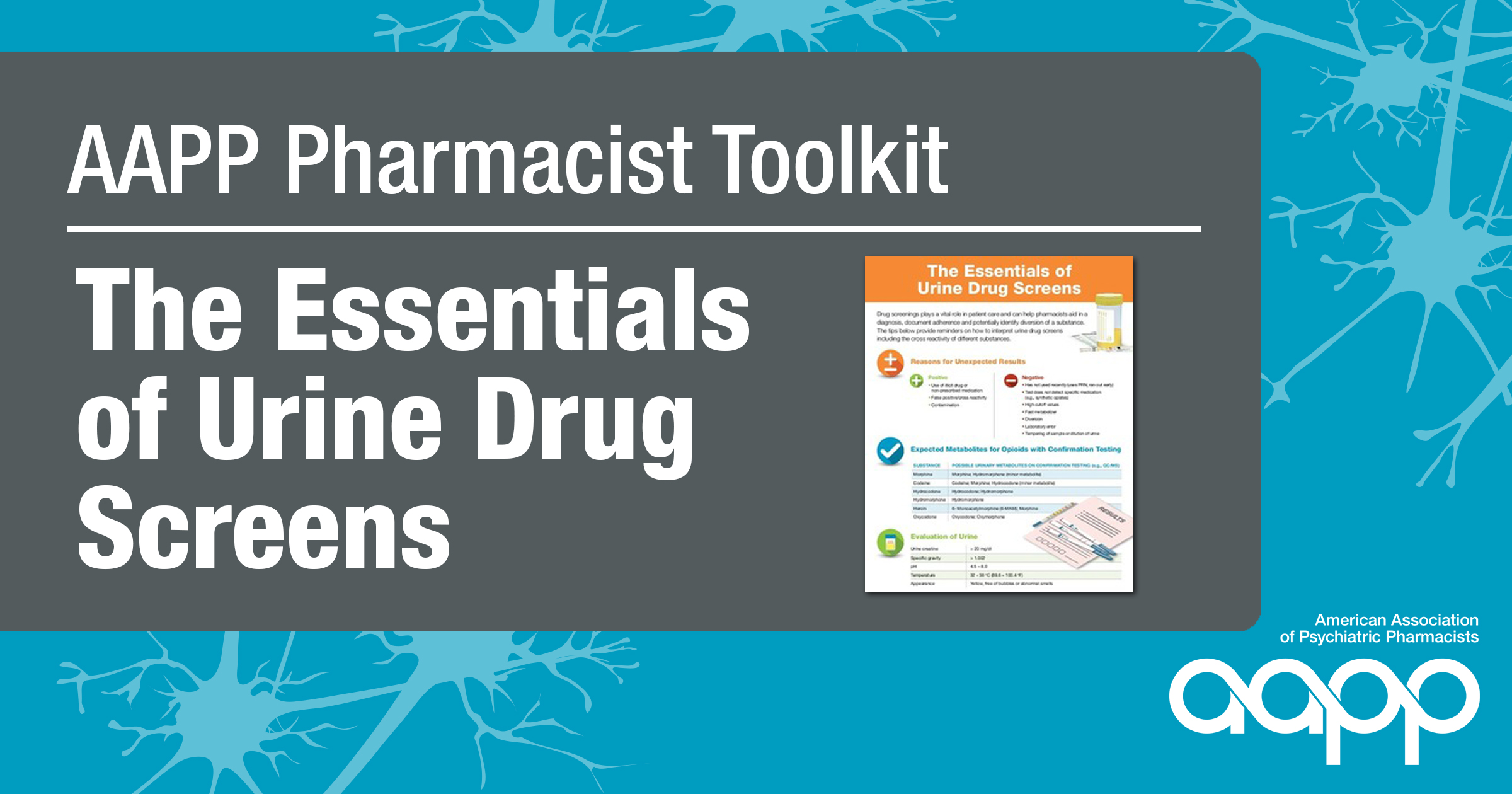
The Essentials of Urine Drug Screens
This free toolkit on urine drug screens provides reasons for unexpected results, expected metabolites for opiods with confirmation testing, evaluation of urine, and potential positive results with immunoassays and detection time in the urine.
Advanced Track Psychotropic Long-Acting Injectable Program
From inpatient strategies and complex case management to profitability and curriculum integration, this six-part program covers everything pharmacists need to lead with confidence in LAI care. #PatientCare #LAIs #psychiatricpharmacy #CE
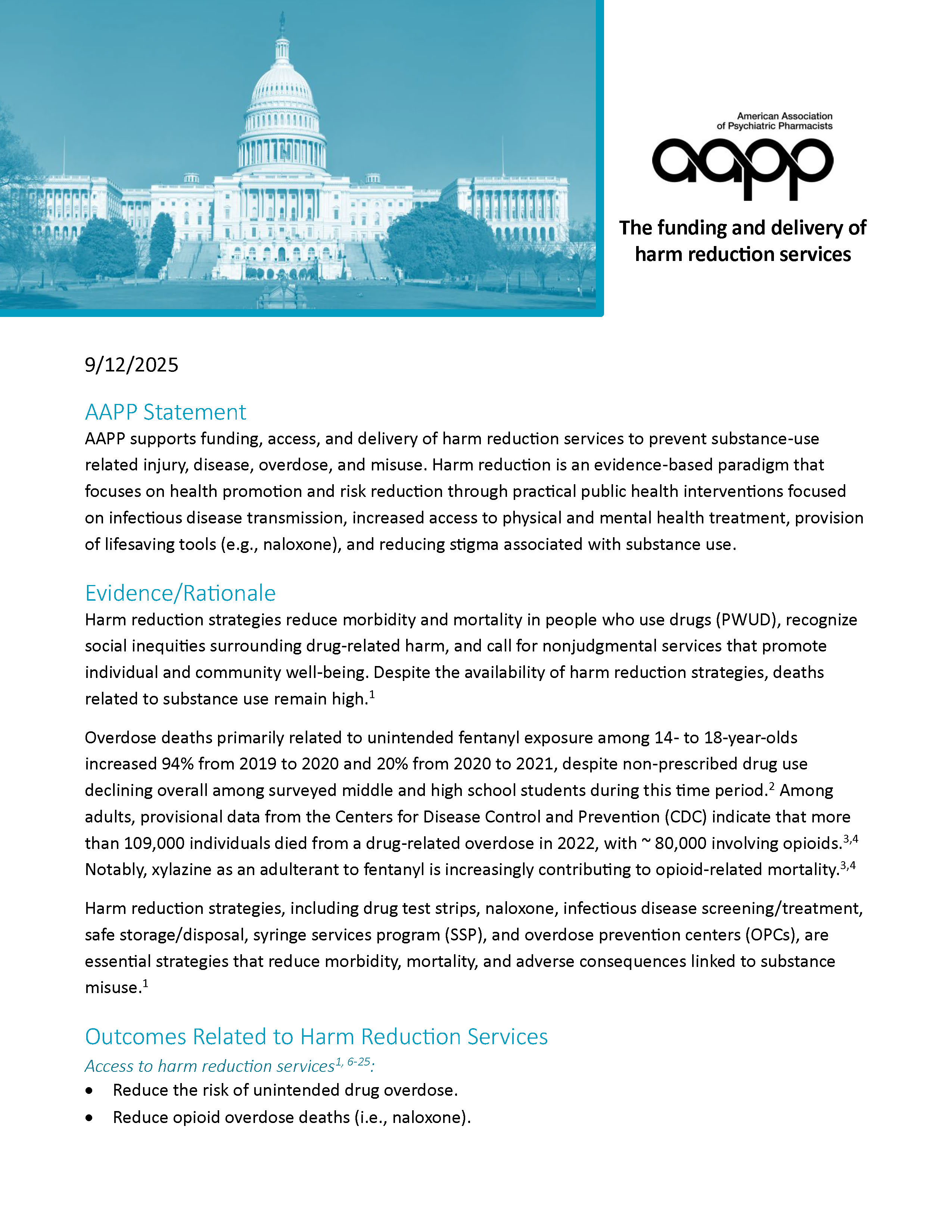
Advocating for the Evidence: Harm Reduction
AAPP supports funding, access, and delivery of harm reduction services to prevent substance-use related injury, disease, overdose, and misuse. Psychiatric pharmacists are encouraged to use this policy brief to support your own advocacy efforts promoting continued delivery of harm reduction services.
The Erosion of Harm Reduction
The U.S. administration has continuously chipped away at public health interventions addressing substance use disorders and the opioid crisis, including vital harm-reduction activities.
Over-the-Counter Naltrexone to Address Unhealthy Alcohol Use
Unhealthy alcohol use is highly prevalent in the United States, with almost half of all regular consumers reporting binge drinking.
Efficacy of combined varenicline and nicotine replacement therapy compared with varenicline or nicotine replacement therapy alone for smoking cessation: A systematic review and meta-analysis
Compared with varenicline alone, combination therapy was associated with statistically significantly higher abstinence rates at the longest follow-up.
HUD Announces Changes to Housing Program Serving Unhoused
The Department of Housing and Urban Development (HUD) announced policy changes Nov. 14 that make significant changes to a housing program serving people experiencing homelessness. According to a HUD press release, the changes seek to “restore accountability to homelessness programs and promote self-sufficiency among vulnerable Americans. It redirects the majority of funding to transitional housing and supportive services ...” According to the notice of funding opportunity (NOFO), roughly 7,000 awards are expected, totaling about $3.9 billion.
CMS to Issue New Telehealth Claims Guidance
CMS is instructing telehealth providers to submit any claims held during the government shutdown and to continue filing claims as usual through Jan. 30, 2026, the new expiration date for pandemic-era telehealth flexibilities. In an updated FAQ document dated Nov. 14 and posted to the CMS website on Nov. 20, CMS says that it will continue to pay telehealth claims “in the same way they had been paid before Oct. 1, 2025.
Psychiatric Pharmacists Contribute to New LAI Benchmarks
The National Council Medical Director Institute (MDI) has released the first-ever standardized performance benchmarks for initiation and continuation of long-acting medications for psychotic disorders, bipolar disorder, opioid use disorder and alcohol use disorder. Past President Jerry McKee represented AAPP on the expert panel while Past President Ray Love contributed as a representative of NASMHPD. Download the MDI report to learn how to implement these benchmarks in your practice.
NAMI Introduces Family Caregiver HelpLine
The helpline is a free, confidential service providing caregiver-led support, tools and strategies, trusted guidance, and connection at every stage of the caregiving journey.
Foundation Annual Campaign Post #6 - $75,000 Goal!
Do you believe psychiatric pharmacists belong on every mental health care team? So do we. Support Outcomes Research Grants that provide the data to make that case. A monthly donation of $1,000 helps fund the next study that changes minds and opens doors. #AAPPFoundation #AdvancingPsychPharmacy
New Clozapine Series is LIVE!
We are proud to partner with the Schizophrenia & Psychosis Action Alliance to offer a 7-part, on-demand educational series! Each module tackles a core challenge in clozapine care, ranging from adverse effect management to monitoring in the post-REMS era, and use in special populations. Register today and get started!
Advanced Track Psychotropic Long-Acting Injectable Program
Join us as we unravel the complexities of LAIs! Our Advanced LAI Training Program will equip participants with the tools necessary to lead, innovate, and advance LAI patient care and clinic management. #PatientCare #LAIs #psychiatricpharmacy #CE
We Must Do Better on Implementing Evidence-Based Treatments for Substance Use Disorders
This study examined longer-term health outcomes associated with CM treatment for StUD.
How Do We Increase Treatment for Alcohol Use Disorder in Primary Care? It Takes a Team
Despite widespread attention to the opioid overdose crisis, alcohol use continues to represent a pressing and under-recognized public health challenge.
GLP-1 Therapeutics and Their Emerging Role in Alcohol and Substance Use Disorders: An Endocrinology Primer
GLP-1RAs, traditionally prescribed for glycemic control in T2DM and weight management in obesity, are emerging as promising therapies for ASUDs.
Stigma and knowledge about medications for alcohol use disorder among treatment-seeking adults
Targeted efforts to enhance patient knowledge of MAUD could be a promising strategy for increasing medication uptake.
Rapid vs Standard Induction to Injectable Extended-Release Buprenorphine
In this multicenter randomized clinical trial, RI had higher retention than SI overall and in patients who tested positive for fentanyl through extended-release buprenorphine injection 2.
Covid-era rules for addiction medication, Ritalin are extended again
For the fourth time, remote prescribing of controlled substances will be allowed without permanent policy. The Trump administration appears poised to extend a temporary, Covid-era rule allowing health providers to prescribe certain controlled substances, like ADHD medications and treatments for opioid addiction, via telemedicine. Under the current rules, providers can initiate prescriptions for drugs like Ritalin or Adderall for ADHD, or buprenorphine for opioid use disorder, without first examining the patient in-person. A posting on a White House budget website, titled “Fourth Temporary Extension of COVID-19 Telemedicine Flexibilities for Prescription of Controlled Medications,” signals that the Trump administration has conceded the regulatory limbo will last at least one more year. It is unclear how the Trump administration might eventually move to finalize regulations for prescribing controlled substances via telemedicine. Among the most debated issues are whether the DEA should differentiate between Schedule II and Schedule III substances (like Ritalin and buprenorphine, respectively), and more generally, how stimulants used to treat ADHD should be regulated.
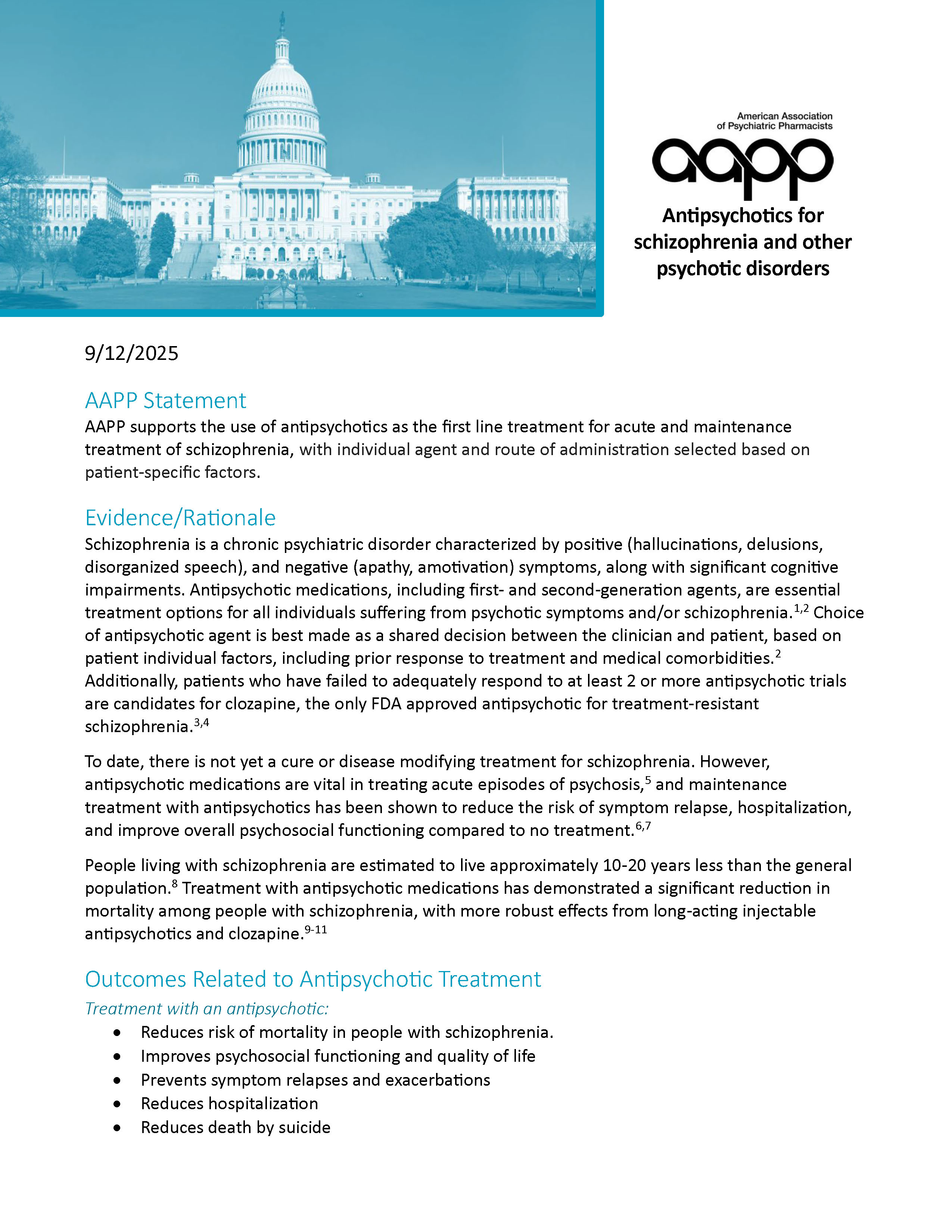
Advocating for the Evidence: Antipsychotics for Schizophrenia and other Psychotic Disorders
AAPP supports the use of antipsychotics as the first line treatment for acute and maintenance treatment of schizophrenia, with individual agent and route of administration selected based on patient-specific factors. Psychiatric pharmacists are encouraged to use this policy brief to support your own advocacy for this gold-standard treatment.
Practice Settings
Pharmacists practice forensic pharmacy when they care for patients with psychiatric diagnoses who have also been convicted or charged with a crime. The practice settings often include county jails, or state/federal prisons/hospitals or correctional facilities. Pharmacists care for patients in the justice system by reviewing their medication records, making objective/subjective assessments with rating scales and patient interviews, initiating/modifying medication doses, and providing medications-related patient education. Forensic psychiatric pharmacists also can serve as expert witness for lawyers, work for regulatory agencies, or work as a freelance consultant.
AAP: Evidence too limited to recommend leucovorin broadly for autistic children
American Academy of Pediatrics issues guidance on leucovorin (folinic acid): The AAP does not recommend routine use of leucovorin (folinic acid) for autistic children due to limited evidence on its safety and effectiveness, according to new interim guidance.
Survey: 83% of patients trust their docs for health advice
Despite widespread health misinformation, 83% of patients still trust their doctors most for medical advice, up from 81% last year.
Association Between Polypharmacy and Physical Function in Middle-aged Adults: Findings from the CARDIA Function Study
Clinicians should consider systematically assessing physical function in middle-aged patients who have polypharmacy, to capture physical decline earlier in the lifespan.
A genome-wide analysis of the shared genetic risk architecture of complex neurological and psychiatric disorders
This study's findings have implications for disease classification, precision medicine and clinical practice.
Do You Oversee a Residency or Fellowship?
It is time to update the directory of Psychiatric Pharmacy Residency Programs. We want your help to self-identify if you participate in residencies. By adding your information to the site, you can raise the visibility of your program among those with a strong interest in psychiatric pharmacy. NEW fields allow you to include your recruitment open-house information.
AAPP responds to Request For Information (RFI) on pharmacists providing chronic care
The sponsors of the Pharmacy and Medically Underserved Areas Enhancement Act (S. 2800), Senators Chuck Grassley (R-IA) and Ben Ray Lujan (D-NM), issued an RFI to gain feedback on how pharmacists can meet the pressing challenges of chronic care among seniors particularly in rural and underserved areas.
Tylenol use in pregnancy not tied to autism, ADHD, review shows
An umbrella review of nine systematic reviews published in BMJ shows no link between maternal acetaminophen (Tylenol) use during pregnancy and autism or attention deficit hyperactivity disorder (ADHD) in children. The study, led by University of Liverpool researchers, involved a review of research published within the past 10 years, up to September 30, 2025, to evaluate the quality and validity of the evidence and the strength of any association between the use of acetaminophen (sold as paracetamol in many countries) during pregnancy and the risks of autism and ADHD. "The current evidence base is insufficient to definitively link in utero exposure to paracetamol with autism and ADHD in childhood," the researchers concluded. "High-quality studies that control for familial and unmeasured confounders can help improve evidence on the timing and duration of paracetamol exposure, and for other child neurodevelopmental outcomes." They recommended that regulatory agencies, clinicians, pregnant women, parents, and those affected by autism and ADHD be informed about the poor quality of the existing reviews and the likelihood that any positive associations were driven by familial confounding.
AAPP Pharmacist Toolkit: Alcohol Use Disorder
Toolkit on Alcohol Use Disorder with quick tips and guideline summaries: Screening/Diagnosis, Alcohol Withdrawal, Maintenance Treatment of AUD, Special Populations and Treatment, Co-occurring Disorders, Harm Reduction Strategies, Resources and References.
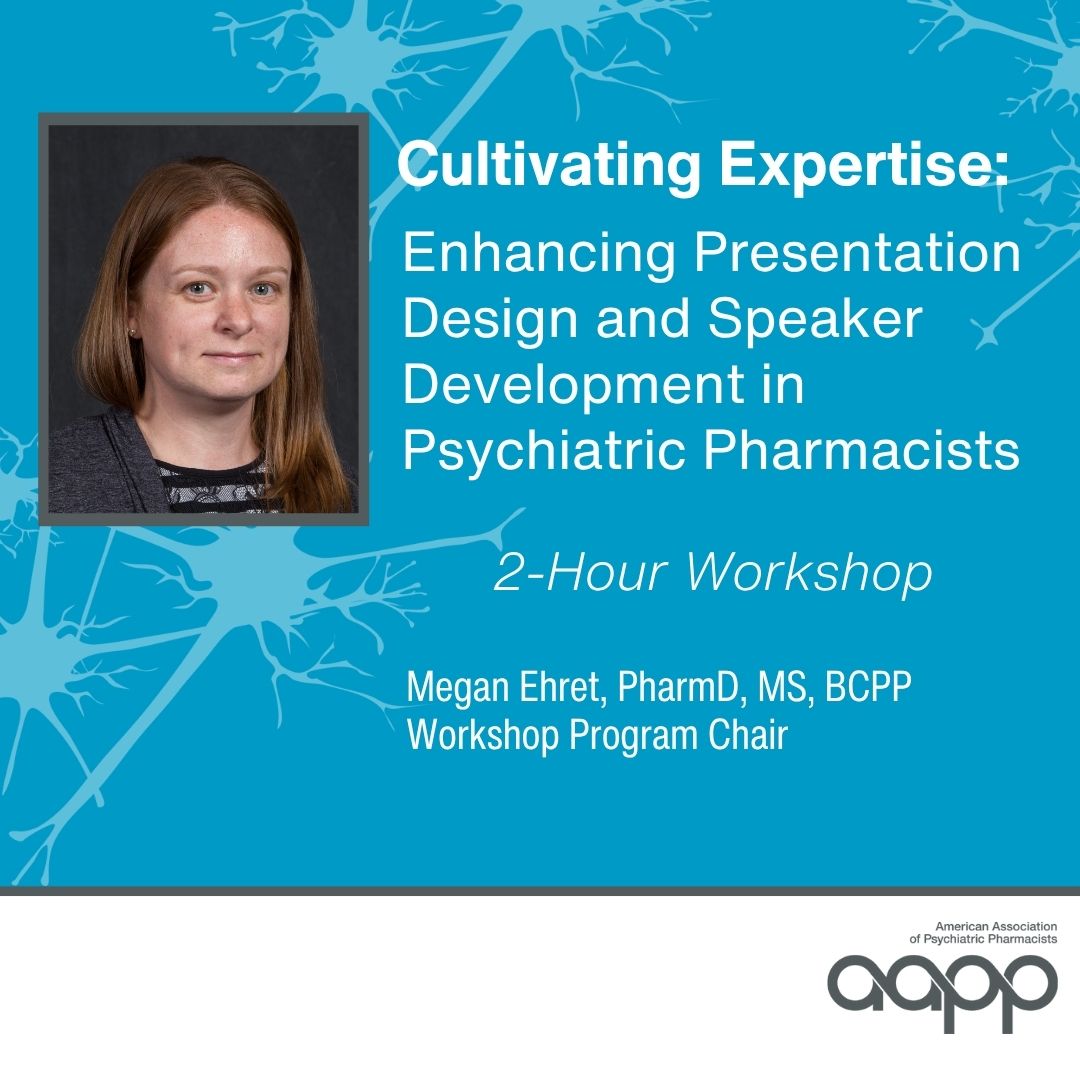
Home Study Workshop! Presentation Design and Speaker Development
Through expert guidance, participants will refine their presentation skills and learn how to captivate audiences. This 2-hour program with ACPE credit provides a unique opportunity to gain practical tools to elevate speaking abilities, enhance your expertise and confidence, and make you a standout voice in the field of psychiatric pharmacy. Don't miss this opportunity to learn!
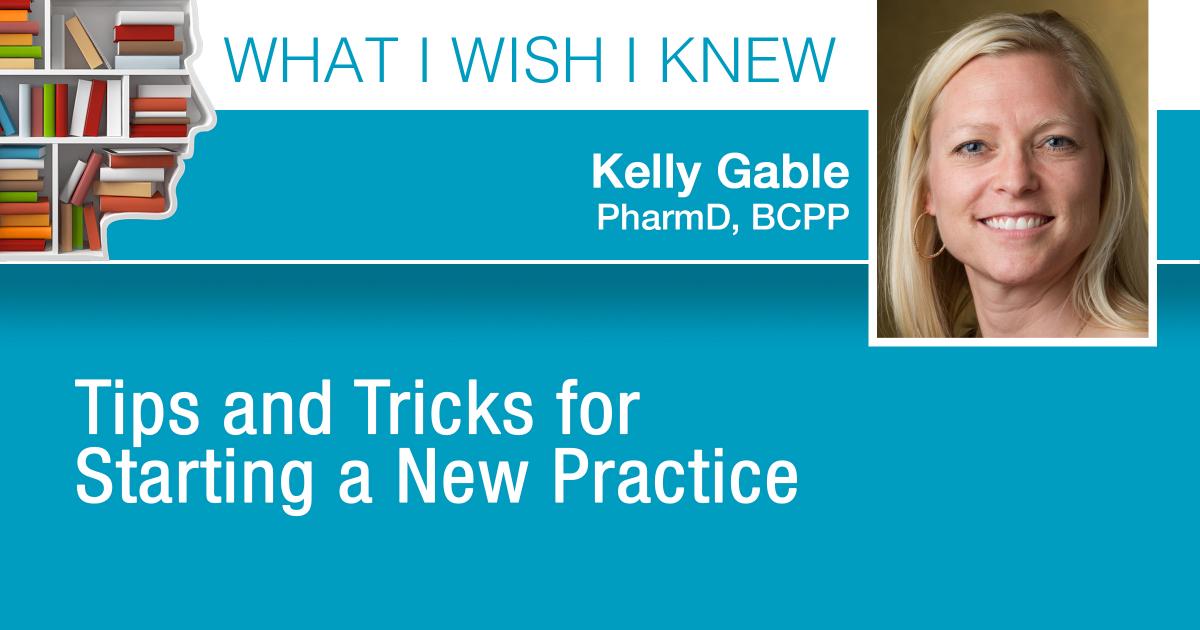
What I Wish I Knew: Tips and Tricks for Starting a New Practice
Dr. Kelly Gable, PharmD, BCPP, gives tips on starting a new practice.

BCPP Exam Prep: Developing Effective Test-Taking Skills
This 2-hour webinar focuses on developing appropriate techniques for answering standardized questions more accurately, identifying common issues in testing that may be hurting your performance, and analyzing your testing performance to improve accuracy, pacing, and endurance. Level up your test-taking skills!
Foundation Annual Campaign Post #5 - $75,000 Goal!
In the past year, the AAPP Foundation has awarded over $70,000 in grant funding and project support. These funds have supported initiatives that expand practice, build evidence, and improve psychiatric pharmacy services. Join us in sustaining this critical work. #AAPPFoundation #AdvancingPsychPharmacy

Free Workshop: Elevate Your Speaking Skills!
AAPP and the AAPP Foundation are pleased to be offering a complimentary, 2-hour workshop: Cultivating Expertise: Enhancing Presentation Design and Speaker Development in Psychiatric Pharmacists. Earn ACPE credit and make yourself a standout voice in the field of psychiatric pharmacy!
CMS Provides Update on Telehealth Claims
To address provider cash-flow issues resulting from the expiration of Medicare telehealth flexibilities on Oct. 1, CMS announced Nov. 6 that they will return affected claims submitted on or before Nov. 10 and enable providers to resubmit them with expanded coding that clearly demonstrates eligibility under current law. CMS has been processing claims where eligibility is clear (e.g., behavioral/mental health or specified HCPCS codes), but systems limitations have prevented identification of all payable claims, including some ACO services and behavioral health claims without specific diagnosis codes. To address this, CMS will return held telehealth claims submitted on or before November 10, 2025, for dates of service on or after October 1, 2025. Providers can resubmit these claims following statutory requirements. Providers are directed to updated instructions on the CMS website for resubmission guidance.
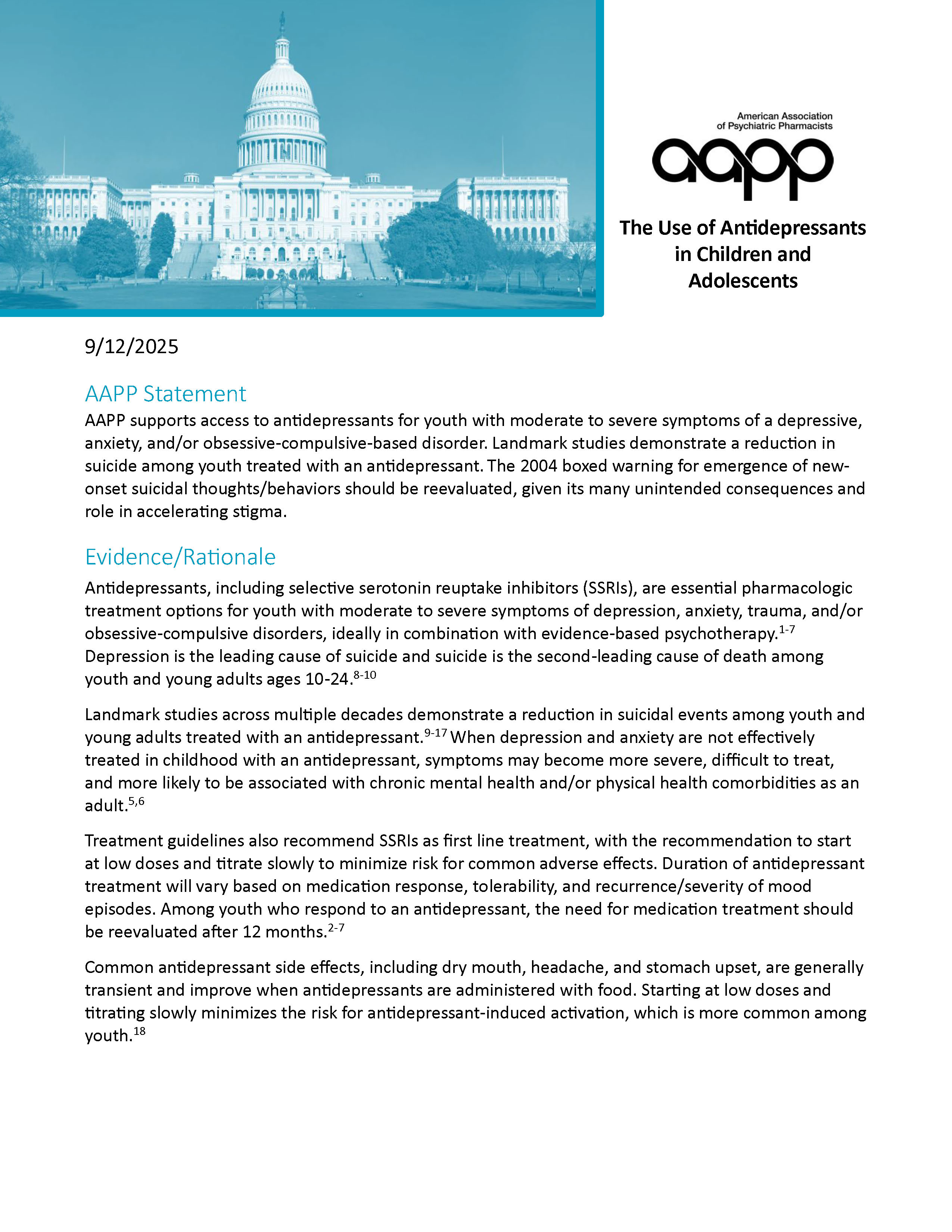
Advocating for the Evidence: Antidepressants for Youth with Depression
AAPP supports access to antidepressants for youth with moderate to severe symptoms of a depressive, anxiety, or obsessive-compulsive-based disorder and reconsideration of the boxed warning on new-onset suicidal thoughts/behaviors given its many unintended consequences and role in accelerating stigma. Psychiatric pharmacists are encouraged to use this policy brief to support your own advocacy for this gold-standard treatment.
Physician Fee Schedule Final Rule Released
The 2026 Physician Fee Schedule (PFS) final rule was released late last week by the Centers for Medicare and Medicaid (CMS). The rule makes direct supervision via telehealth permanent for many services. Additionally, it extends audio-only flexibilities for certain non-behavioral health visits through December 31, 2026. It also proposes new add-on codes for behavioral health integration services within Advanced Primary Care Management (APCM) programs. Please note that the rule does retains some COVID-19-era telehealth restrictions, such as the originating site requirement for certain services. We are pleased that these final provisions overall reflect AAPP’s comments to strengthen behavioral health integration in primary care and expand telehealth flexibilities.
Telehealth Push
AAPP joined more than 450 organizations in pushing congressional leaders to reinstate lapsed telehealth flexibilities for the long term. Lawmakers have been providing temporary extensions to telehealth policies that, among other flexibilities, allow Medicare beneficiaries to receive medical care in their homes. The policies started during the Covid-19 pandemic, and Congress continued them but never made them permanent. “This cycle of temporary fixes has resulted in patients and providers facing continued disruptions in care,” the groups, co-led by the Alliance for Connected Care, wrote to House and Senate leaders.
Moving Naloxone Over-the-Counter Is Not Sufficient: Pharmacy-Based Interventions on Pricing Are the Solution
AAPP members Andrew Hean, PharmD, APh, BCPS, BCPP, and Winter Roth, PharmD, BCPP, authored this article in the Journal of the American College of Clinical Pharmacy.
Foundation Annual Campaign Post #4 - $75,000 Goal!
Every dollar helps move the profession forward. AAPP Foundation grants support outcomes research, practice expansion, DEI initiatives, and student development—all of which contribute to better care and stronger teams. Give back to move forward. #AAPPFoundation #AdvancingPsychPharmacy

Student Committee Blog Takeover
The Student Committee serves aspiring psychiatric pharmacists by providing educational content and programming, overseeing collegiate chapters, and encouraging AAPP members to include students in their professional practices. We encourage you to peruse the committee’s annual blog posts, which showcase students, student chapters, and our role as psychiatric pharmacists in preparing students for their pharmacy careers. The future of psychiatric pharmacy looks bright!

Opportunities for Engagement!
See Employer Benefits by Supporting AAPP Volunteerism "The knowledge gained has been used to change local prescribing policies. My connections provide access to people within the AAPP community with expertise in areas outside my experience." Michael Shuman
Preparing Members of AAPP Student Chapters for PGY-2 Psychiatric Pharmacy Residency Applications

Author: Jose Rey, PharmD, MS, BCPP, FAAPP
Welcome to the American Association of Psychiatric Pharmacists as a student member. Perhaps, during your training as a student, you will be enthused to consider, and then plan to do, a PGY-2 Psychiatric Pharmacy Residency after your PGY-1 residency training.
A Reflection from AAPP’s First APPE Student

Author: Sofia Hage, PharmD Candidate, Class of 2026, Palm Beach Atlantic University Lloyd L. Gregory School of Pharmacy
AAPP Student Chapters Make a Huge Impact
Author: Katelynn Mayberry, PharmD
Pharmacy Closures
Approximately 13 percent of counties had more than half their population living in an area facing a pharmacy shortage last year, according to the National Community Pharmacists. The new data coincides with the NCPA and USC’s launch of the first public mapping tool tracking pharmacy shortage areas and closures over time by state, county and congressional district. AAPP, other pharmacy groups and academics warn that the closures, sometimes the only points of personalized care in communities, could make it more difficult to manage chronic disease, access vaccinations and strain the pharmacy profession.
Looking Back, Looking Ahead: The Power of Progress and Giving
As we step into the final stretch of the year, there’s a natural tendency to reflect on what has been accomplished over the past year, and to set goals for the year to come. Very soon, we’ll be in the heat of the holidays and the season of giving. It’s a time not just for celebration, but also for purpose.
Foundation Supports MHFA Training
On Monday, November 3, AAPP members Beth DeJongh, PharmD, FAAPP, BCPS, BCPP and Erin Knox, PharmD, BCPP, co-led Mental Health First Aid (MHFA) training on behalf of the AAPP Foundation. Sixteen participants completed the course and are now certified! The bequest of Kim Tallian fully supported this course, and her legacy lives on through these MHFA-trained individuals. The AAPP Foundation intends to again offer MHFA courses in 2026, tentatively slated for March 9, July 14, and November 4. Courses are open to members and non-members of AAPP.

Grant Recipient Research Published
Dr. Andrew C. Hean, 2023 Defining the Future grant recipient, and his co-authors Jamie Kneebusch,Casey Tiefenthaler, and Kelly C. Lee, recently had their research published! Dr. Hean said, "Thank you again to the foundation for making this research possible, a project that was quite special to me!" Congratulations to this research team, and thank you to our donors who make grants like this possible! You can now read and download the article online.
AAPP Foundation President Elect’s Team Earns $200k Population Health Grant
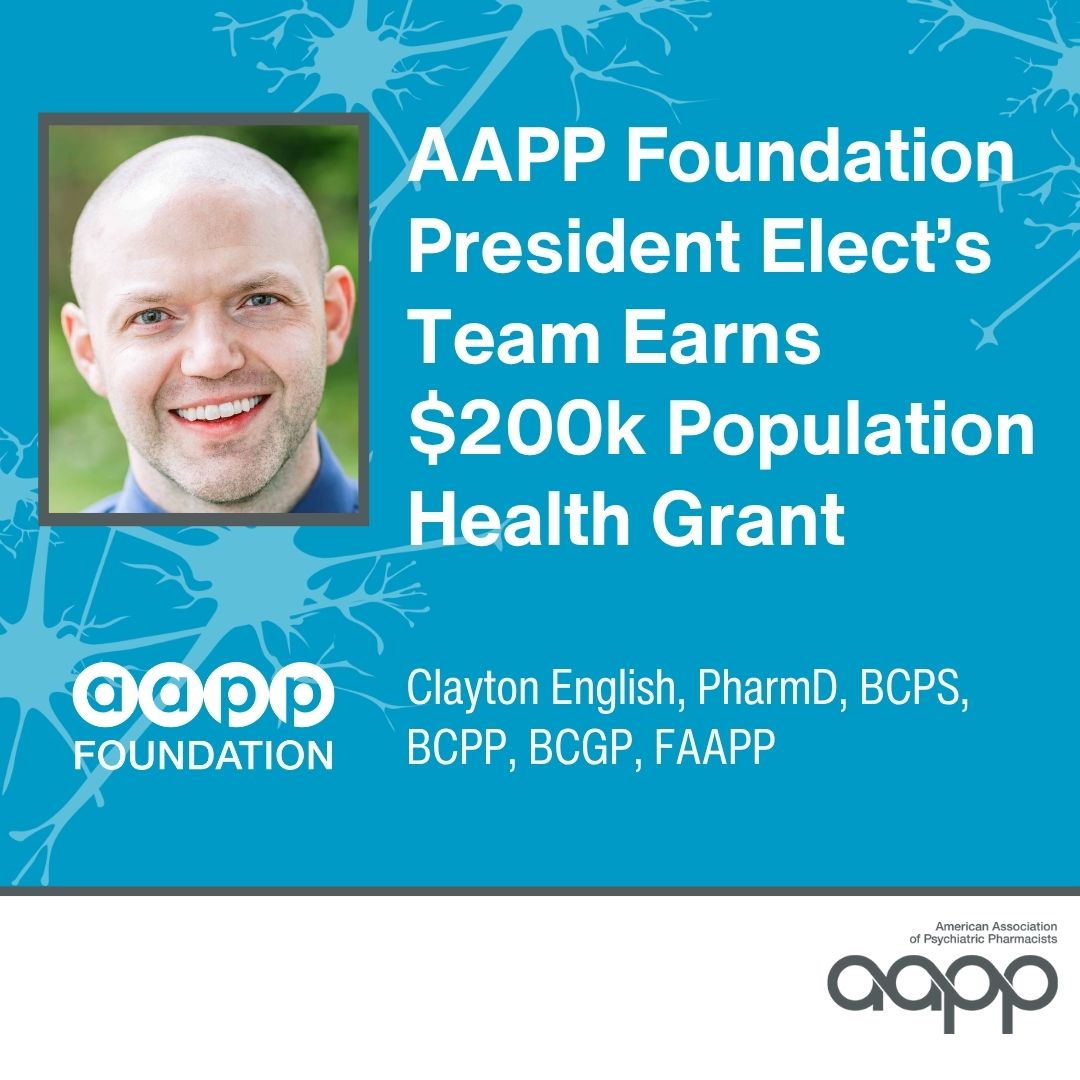
Long-time AAPP member and the current AAPP Foundation President-Elect, Clayton English, PharmD, BCPS, BCPP, BCGP, FAAPP, is part of a team of SoP faculty researchers at the University of Washington School of Pharmacy that has been awarded a $200,000 Tier 3 pilot research grant from the UW Population Health Initiative. The team’s work aims to address the rise in opioid overdose deaths, increasingly driven by fentanyl. This work is vital to public health. Help us congratulate Dr. English!

Journal Club Recordings Available
If you missed any of the previous Resident Journal Club presentations or would like to revisit a session, recordings are available for you to listen and review at your convenience. Once registered, you can access the recordings, presentations, and article links on the Journal Club page.
AAPP Pharmacist Toolkit: Addressing Stimulant Shortages
This free Pharmacist Toolkit on Addressing Stimulant Shortages is intended to provide an evidence-based guide for thoughtfully converting from one stimulant product formulation to another. Download the toolkit today! #psychpharm #toolkit
Practice Settings
Psychiatric pharmacists can function as medical affairs professionals assisting with analyzing and educating providers on clinical data and development of insights that can affect the medical strategy to optimize medications in a company’s psychiatric pipeline. Their training also translates to roles in educating payors on clinical and health economics and outcomes research (HEOR) data that may affect their access algorithms as well as in marketing where on-label data and insights can be leveraged to optimize the success for a company’s marketed psychiatric product.
Trends in Dispensed Gabapentin Prescriptions in the United States, 2010 to 2024
Gabapentin is approved by the U.S. Food and Drug Administration for treatment of partial seizures and postherpetic neuralgia, but is commonly prescribed for off-label use, including neuropathic pain.
Linkage to Care Outcomes Following Treatment in A Low-Threshold Substance Use Disorder Bridge Clinic
Of those participants who transitioned out of a bridge clinic into community-based SUD care, 78% were successfully connected to ongoing care and 84% were still in care at follow-up.
Member News: November 2025
Megan Ehret, PharmD, MS, BCPP, FAAPP, received the 2025 W. Arthur Purdum Award, one of the most prestigious pharmacy honors in Maryland.
Bennett Doughty, PharmD, BCPS, BCPP, started a new position as Medical Science Liaison for NY, PA, and NJ at Axsome Therapeutics.
Final Months to Make Your 2025 Tax Deductible Contribution
The AAPP Foundation has accomplished a lot this year, and yet there is still much to do. You can assist us in creating a better tomorrow and help us launch initiatives in the areas of research, education, practitioner development, and our communities. Donate online today!
Is There an App For That? | On-Demand Webinar
Stream this expert-led discussion on the expanding role of digital therapeutics in treating mental health conditions. Watch the recording and stay ahead in this fast-evolving field! Visit the course page to watch the webinar or learn more and register.
Mental Health America's 2025 State of Mental Health Report
MHA's State of Mental Health report was released last week and uses the most recent SAMHSA data to highlight and rank states on mental health and well-being. The 2025 report ranks New York, Hawaii, and New Jersey the highest in the nation for mental health - reflecting lower rates of mental illness and higher access to care. Nevada, Arizona and Alabama ranked lowest. A supplemental youth spotlight on mental health advocacy, created by MHA's Young Leaders Council, shows how young people are turning awareness into action and provides strategies and inspiration for other young people to follow.
Trusted Messenger Program Training: Maximizing Trust & Reducing Resistance
Module 1 of the TMP Training Series provides tools, tactics, and strategies you need to improve your communication skills and strengthen your status as a trusted messenger.
Inpatient addiction care is associated with increased vaccinations, medication for opioid use disorder and naloxone prescribing among patients with infective endocarditis in a rural state
These results highlight hospitalization as an opportunity to connect patients with IDU-IE to MOUD and preventative care, particularly in rural areas where access to such services may be limited.
Linkage to substance use disorder treatment through syringe services programs and the criminal legal system
Findings suggest that recent SSP use was associated with recent SUD treatment uptake, while recent CLS involvement was not.

AAPP President Jolene Bostwick Featured in Clozapine Education Article
“Given this landscape, psychiatric pharmacists play a more important role than ever in patient care. Our knowledge, experience, and understanding of other disease states allows us to support the whole patient.” - Dr. Bostwick
Snapshot of state action on vaccines
A new Kaiser Family Foundation brief tracks how states are reshaping vaccine policies amid shifting federal guidance. As of Sept. 22, 2025, 26 states had implemented or announced updates expanding access to COVID-19 and other vaccines beyond federal limits. The analysis highlights a sharp partisan divide: Democratic governors lead 23 of those 26 states. The findings suggest vaccine access may increasingly vary by state, reflecting broader political polarization and mirroring national divides in public opinion over vaccination and public health policy.
Advocating for Substance Use Disorder Treatment – A Gold Standard
AAPP supports access to MOUD and defining OUD as a treatable medical condition with a biological basis often associated with a history of trauma. Use AAPP’s policy brief to advocate for this gold-standard treatment.

BCPP Exam Prep: BCPP Prep Series
This BCPP prep product includes 11 recorded review webinars and one "last-chance" question and answer session with authors/presenters. This popular series is updated annually and covers important content for the exam. Register today!
Free Toolkit on Pain Management Pearls Now Available
Glean information and insights from AAPP’s toolkit on Pain Management Pearls for Patients with Chronic Pain or Opioid Use Disorder, our newest valuable resource.
Foundation Annual Campaign Post #3 - $75,000 Goal!
Support the next generation of leaders in psychiatric pharmacy. A $500/month donation funds Collegiate Chapter Impact Grants, which empower student pharmacists to grow as innovators, researchers, and advocates for mental health. Your investment can help shape the future. #AAPPFoundation #AdvancingPsychPharmacy
What I Wish I Knew - Managing Personal Career Goals with Job Expectations: A Balancing Act
Dr. Megan Ehret, PharmD, MS, BCPP, explains how to balance your employment expectations with your personal career goals.
CMS Lifts Some Medicare Claims Holds
The Centers for Medicare and Medicaid Services (CMS) has directed Medicare Administrative Contractors to lift the hold currently in place on some claims with service dates occurring after Oct. 1. This includes telehealth claims that the agency “can confirm are definitively for behavioral and mental health services.” The agency says it will continue to temporarily hold claims for other telehealth services. Many pandemic-era telehealth flexibilities expired Oct. 1, including coverage for home-based and non-rural services. As a reminder, without congressional action to extend telehealth flexibilities, an in-person (i.e., not telehealth) visit is now required within six months prior to a patient receiving their first mental health telehealth service, along with an annual in-person visit requirement for established patients. CMS states it does not believe this requirement applies to beneficiaries who began receiving mental health telehealth services in their homes prior to Oct. 1, 2025. Statutory requirements also exempt telehealth services for someone with a diagnosis of SUD or co-occurring conditions from this requirement. CMS has published a Telehealth Factsheet, along with a Telehealth FAQ updated Oct. 15, 2025.
Strategies to Improve PrEP Adherence in People Who Use Drugs: A Systematic Review
The first systematic review to examine PrEP interventions among PWUD and identify strategies to enhance adherence.
Corollary Discharge Dysfunction to Inner Speech and its Relationship to Auditory Verbal Hallucinations in Patients with Schizophrenia Spectrum Disorders
This study provides empirical support for the theory that AVH are related to abnormalities in the normative suppressive mechanisms associated with inner speech.
Anti-science bills hit statehouses, stripping away public health protections built over a century
An Associated Press investigation found that the wave of legislation has cropped up in most states, pushed by people with close ties to Health and Human Services Secretary Robert F. Kennedy Jr.
Cannabis Use Among Individuals With Psychosis After State-Level Commercial Cannabis Legalization
In this study, individuals with psychosis reported a large increase in current cannabis use following legalization and commercialization of cannabis in their state, and by larger amounts than previously reported estimates of the general population.
Alcohol Consumption Per Capita and Suicide
An increase in APC was associated with an increase in the suicide mortality rate at the population level and that the association was similar across sexes.
Alcohol use and risk of dementia in diverse populations: evidence from cohort, case–control and Mendelian randomisation approaches
These findings provide evidence for a relationship between all types of alcohol use and increased dementia risk.
AAPP Approved as a Recertification Provider for Pain Specialty (BCPMP)
BPS has announced the approval of AAPP as a professional development program (PDP) providers for the contract period beginning January 1, 2026 through December 31, 2030. AAPP will deliver dually certified educational activities for pharmacists certified in pain and psychiatry in partnership with the American Pharmacists Association (APhA), the Society of Pain and Palliative Care Pharmacists (SPPCP), and the American Society of Consultant Pharmacists (ASCP).
Meet the Newly Elected AAPP Board Members
The AAPP membership has elected three officers to serve on the 2026-2028 Board of Directors. Assuming their offices effective July 1, 2026, will be Drs. Austin Campbell, Julie Cunningham and Bethany DiPaula. These 3 new members will join Drs. Jolene Bostwick, Kelly Gable, Suzanne Harris and Danielle Stutzman on the Board for 2026-2027.
Global status report on neurology
The Global status report on neurology presents the first comprehensive global assessment of the public health response to neurological disorders under the Intersectoral global action plan on epilepsy and other neurological disorders 2022–31 (IGAP).
APA Overhauls Delirium Guideline for the First Time in 25 Years
The American Psychiatric Association has released an updated guideline for preventing and treating delirium. The previous guideline was published in 1999 with a minor revision in 2010. The updated guideline includes steps aimed at prevention and has a broader scope, targeting not only psychiatrists but also specialists in internal medicine, family medicine, and critical care nursing.
Free Toolkit on Pain Management Pearls Now Available
Thanks to member authors Julie Cunningham and Tanya Uritsky, AAPP is pleased to offer this toolkit on Pain Management Pearls for Patients with Chronic Pain or Opioid Use Disorder. The toolkit includes general clinical pearls, information on managing pain and co-occurring MOUD, perinatal pain in patients prescribed MOUD, postpartum opioid-induced respiratory events, and discussion of chronic pain management with a focus on buprenorphine.
AAPP Foundation Awards Nearly $15,000 in Defining the Future Grant Awards
The AAPP Foundation is pleased to announce the recipients of the 11th annual Defining the Future Research Grant Awards: Saira Pacheco, PharmD Student, Western University of Health Sciences; Seo Young Park, PharmD, PGY2 Resident, Montefiore Nyack Hospital; Jack Smith, PharmD Student, Wayne State University; Amber Tran, PharmD, PGY2 Resident, Laureate Psychiatric Clinic and Hospital; Mina Wolfe, PharmD, Consultant Pharmacist, North Carolina Association of Pharmacists. Read the full press release!
Foundation Annual Campaign Post #2 - $75,000 Goal!
Your support makes a measurable difference. A $1,000/month donation funds research that helps integrate psychiatric pharmacists into mental health care teams—improving outcomes for patients and the profession. Now is the time to invest in your field. #AAPPFoundation #AdvancingPsychPharmacy
Advocating Stimulants for ADHD – A Gold Standard Treatment
AAPP supports access to behavioral interventions and stimulant treatment for youth with functionally impairing symptoms of ADHD. Use AAPP’s policy brief to advocate for this gold-standard treatment.
October President’s Letter: Collaborating to Advance Pharmacy
 Happy Pharmacists Month-a month where we celebrate you and your impact on patients you serve! This month, I had the opportunity to represent AAPP and contribute to my first Joint Commission of Pharmacy Practitioners meeting.
CMS Clarifies In-person Requirement for Mental Health Telehealth Services
Last week the Centers for Medicare and Medicaid Services (CMS) published an updated Telehealth FAQ for Calendar Year 2025. Without congressional action to extend telehealth flexibilities, an in-person, non-telehealth visit within six months prior to their first mental health telehealth service with an annual in-person requirement for established patients is required.
Practice Settings
At VA Healthcare Systems, psychiatric pharmacists manage medications for military Veterans in outpatient clinics. Under a broad scope of practice (including controlled substance prescribing), psychiatric pharmacists meet one-on-one with Veterans to design personalized treatment plans that optimize symptom control while minimizing side effects.
Trevor project study shows LGBTQ+ youth mental health is getting worse
Young LGBTQ+ people are experiencing worse mental health symptoms, more exposure to conversion therapy, and less access to mental health care, according to an interim report from the Trevor Project.
Pharmacy profession unites to publish guiding principles for state policy on pharmacy personnel–administered vaccines
Guiding principles for state policy on pharmacy personnel-administered vaccines issued by pharmacy vaccine workgroup.
Layoffs at SAMHSA and Other Federal Agencies
AAPP shares NAMI’s concerns with additional layoffs at SAMHSA and other federal agencies which run programs helping people with mental health conditions. These cuts, coupled with earlier rounds of layoffs and retirements, mean that SAMHSA has reportedly lost nearly two-thirds of its workforce since January. AAPP agrees that such drastic staffing changes threaten to disrupt the availability of the lifesaving resources managed through these agencies.
NAMI Resource: How a 2025 Federal Government Shutdown Will Impact Health and Social Programs
NAMI’s Federal Shutdown Guide outlines what is known about operations for federal health care and social services that people with mental illness rely on. The guide will be updated as new or additional information becomes available or a deal is reached to re-open the federal government.
AAPP Endorses Guiding Principles for State Policy on Pharmacy Personnel-Administered Vaccines
A pharmacy-based Vaccine Access Work Group, consisting of representatives from a diverse group of 13 organizations across pharmacy practice settings (including AAPP), jointly published guiding principles for state policy on pharmacy personnel–administered vaccines. This marks an unprecedented level of collaboration between pharmacy professionals, symbolizing a strong commitment from the field of pharmacy to national public health interests. In many states, the authority for pharmacists, pharmacy technicians, and pharmacy interns to administer vaccines is tied directly to recommendations from federal bodies such as the CDC, ACIP, and/or the FDA. As federal processes evolve, recommendations change, and advisory structures shift. Such references can create unintended legal and regulatory ambiguity, reduce flexibility, and delay access to newly authorized and existing vaccines. The core principles proposed in this document aim to address ambiguity in state policymaking regarding pharmacy personnel–administered vaccines, ultimately improving access to essential vaccinations for all Americans and providing guidance for structuring payment for pharmacist-provided services.
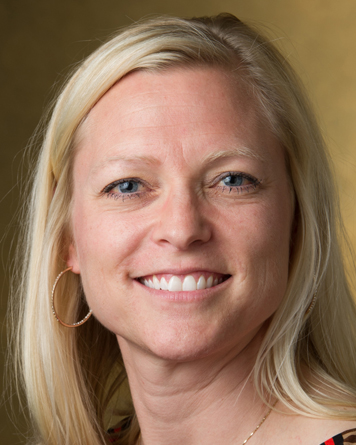
Dear Breast Cancer Oncology: Where is the Behavioral Health Care?
AAPP member Kelly Gable reflects on her personal breast cancer journey and advocates for change in a recent article published in the Journal of Patient Experience.
AAPP Foundation: Working Toward Our Biggest Year Yet with Your Help!
The AAPP Foundation has awarded over $70,000 in research grants and educational support in 2025! We need your support to reach our goal of raising $75,000 to continue these important programs. Help us shape the future of psychiatric pharmacy through these important projects with a donation today.
Barriers to opioid replacement therapy in pregnant women with opioid use disorder: a systematic review
Pregnant women with OUD face barriers including stigma, childcare demands, provider bias, training gaps, fragmented care, financial and insurance issues, and punitive policies.
Treatment and recovery from opioid use disorder: The role of pain severity in individuals with moderate to severe pain
Routine pain severity monitoring may provide valuable insight into patient trajectories and support more tailored treatment approaches in OUD.