Protect people. Protect communities. #choosepsychpharmacy #pharmd #psychpharm #AAPP

Protect people. Protect communities. #choosepsychpharmacy #pharmd #psychpharm #AAPP

The proportion of new buprenorphine prescriptions for opioid use disorder (OUD) that were never dispensed or filled increased from 2020 to 2024, according to this retrospective cohort study reported in JAMA Network Open. Among over 1,400 patients with commercial insurance or Medicare Advantage plans, 25.8% had abandoned buprenorphine prescriptions, defined as those not filled by patients or rejected by insurers or pharmacies.
No summary available

No summary available

No summary available

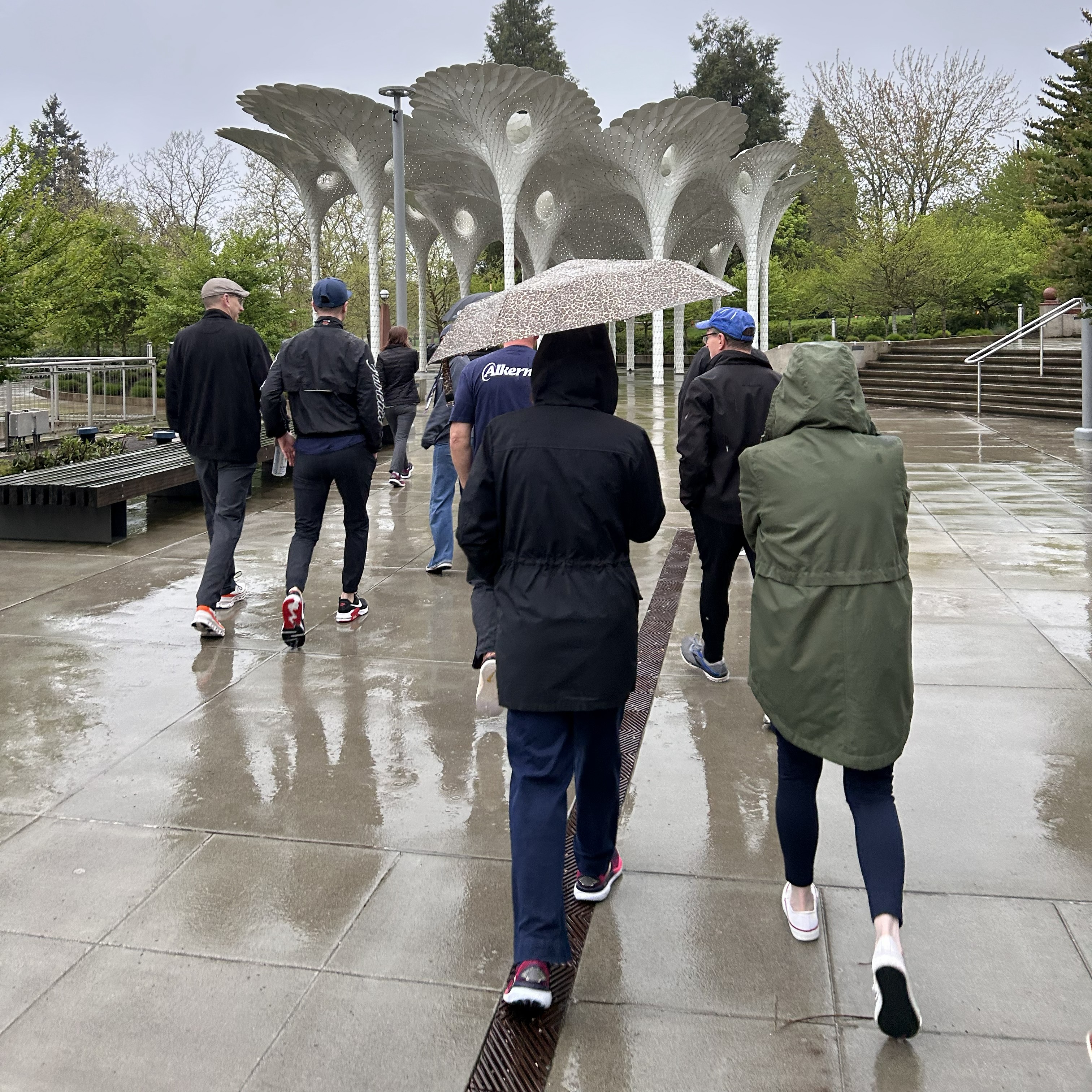
Thanks for our incredibly generous donors, 33 students received registration grants to cover the full in-person fee for the AAPP 2026 Annual Meeting in Seattle, Washington! Please enjoy the thank you notes from grant recipients included in this article.

No summary available

As the philanthropic arm of the American Association of Psychiatric Pharmacists (AAPP), the AAPP Foundation's mission is to advance the psychiatric pharmacy profession by supporting clinical outcomes research, pharmacy practice innovation and expansion, and pharmacy workforce development. We offer various grant programs, sponsorships, and educational opportunities to advance psychiatric pharmacists, including four grant programs that are currently accepting applications.
No summary available
No summary available
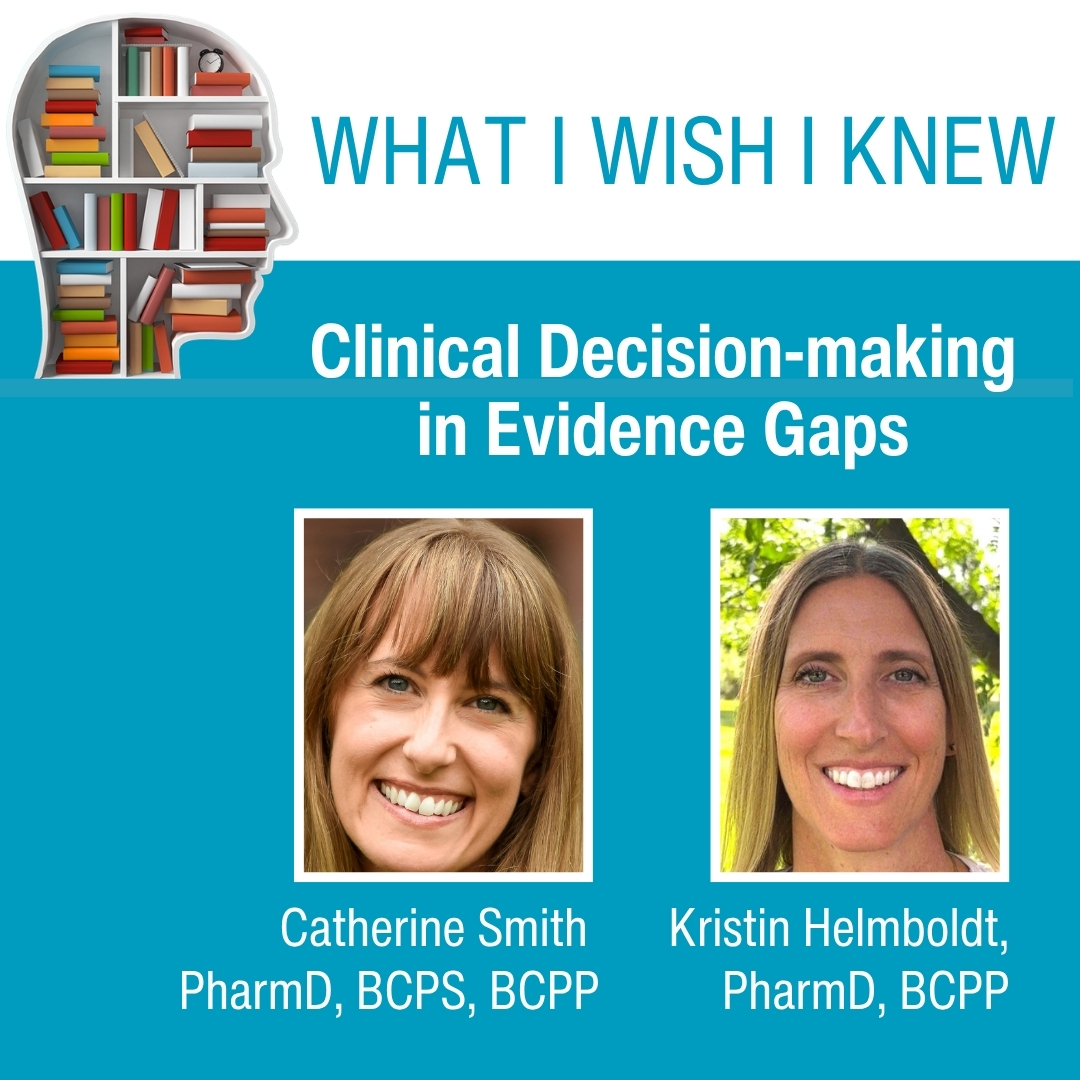
Drs. Catherine Smith, PharmD, BCPS, BCPP, and Kristin Helmboldt, PharmD, BCPP, share how systematic thinking, shared decision-making, and the acknowledgement of uncertainty can assist with clinical decision-making in evidence gaps.
For 15 years, the AAPP Foundation has helped advance research that strengthens psychiatric pharmacy and supports better-informed practice. In 2026, your gift can support the quest to improve best practices and outcomes. Contributions made by December 31 can be matched dollar for dollar, up to $30,000. Together, we can turn $30,000 in donations into as much as $60,000 in support for the future of the profession. Help move promising ideas forward.
A $50 gift can become $100. A $250 gift can become $500. A $1,000 gift can become $2,000. Through December 31, 2026, generous donors are providing up to $30,000 in matching funds for gifts to the AAPP Foundation. Every contribution brings us closer to our $30,000 fundraising goal and the opportunity to generate up to $60,000 for research, innovation, and workforce growth and development. Give today! #MatchingGift #DoubleYourGift #AAPPFoundation #PsychiatricPharmacy #Generosity
2026 marks 15 years of supporting research, encouraging innovation, and strengthening the psychiatric pharmacy workforce. We are laying the foundation for the next 15 years, and your generosity today can help create lasting momentum for the profession tomorrow. Help us reach $30,000 and unlock up to $60,000 in impact. #15YearsOfImpact #AAPPFoundation #PsychiatricPharmacy #GiveBack #MatchingFunds
This year, the AAPP Foundation celebrates 15 years of advancing research, innovation, and workforce growth and development in psychiatric pharmacy! Thanks to two groups of generous donors, every contribution through Dec. 31, 2026, can be matched dollar-for-dollar, up to $30,000 for a total impact of $60,000! Join us in building toward the next 15 years. Make your gift today and double your impact. #AAPPFoundation #PsychiatricPharmacy #MatchingGift #DoubleYourImpact #Philanthropy

AAPP’s harm reduction policy brief outlines recommended policy reforms that prioritize public health, person-centered care, and the perspectives of people who use drugs while reducing barriers that limit engagement with care.

This webinar will review the key design and primary and secondary outcomes from NIDA Clinical Trials Network Study 0080. This landmark study randomized 140 pregnant adults with moderate-severe OUD across multiple collaborative care addiction and OB/GYN treatment programs. Participants were randomized to either extended-release buprenorphine or sublingual buprenorphine. Study treatment was provided through delivery and for 12 months post-partum.
AAPP’s newest policy calls for public policies that expand access to evidence-based harm reduction services, including overdose prevention resources, syringe services, and other measures that reduce the health risks associated with substance use. It emphasizes that harm reduction is a critical public health strategy that saves lives, improves engagement in care, and should be supported through legislation, funding, and the removal of barriers to access.
Brexpiprazole, when used as maintenance treatment for adolescents with schizophrenia, has a safety profile generally consistent with that observed in adult patients.
No summary available
No summary available

A new CDC study, Morbidity and Mortality Weekly Report (MMWR): Buprenorphine Dispensed by Pharmacies and Administered in Emergency Departments in Urban and Rural Areas — United States, 2019–2025 examines access to buprenorphine in urban and rural communities from 2019–2025. The findings show progress in expanding access to treatment, while also identifying continued opportunities to help more people start and stay in care including strengthening pharmacy availability.
This document highlights 4 empirically supported treatment suggestions for SUD/PSU in youth. Despite the magnitude of the problem, there is a paucity of safe and effective treatments for adolescents and young adults with SUD/PSU, suggesting the urgent need for additional research.
No summary available
In this study, GLP-1 RA initiation was associated with lower mortality and cardiovascular events compared to SGLT2 inhibitor initiation, with greater absolute reductions in SMI.