Thank you for your interest in registering for the Summit, offered by AAPP virtually, October 1-2 2026. All purchases after the live event provide home study/enduring credit via session recordings.

Thank you for your interest in registering for the Summit, offered by AAPP virtually, October 1-2 2026. All purchases after the live event provide home study/enduring credit via session recordings.

AAPP recently published a statement of support for plaintiffs in American Academy of Pediatrics et al. v. Kennedy Jr., et al. Login to read the support letter and to see all recent comment letters.
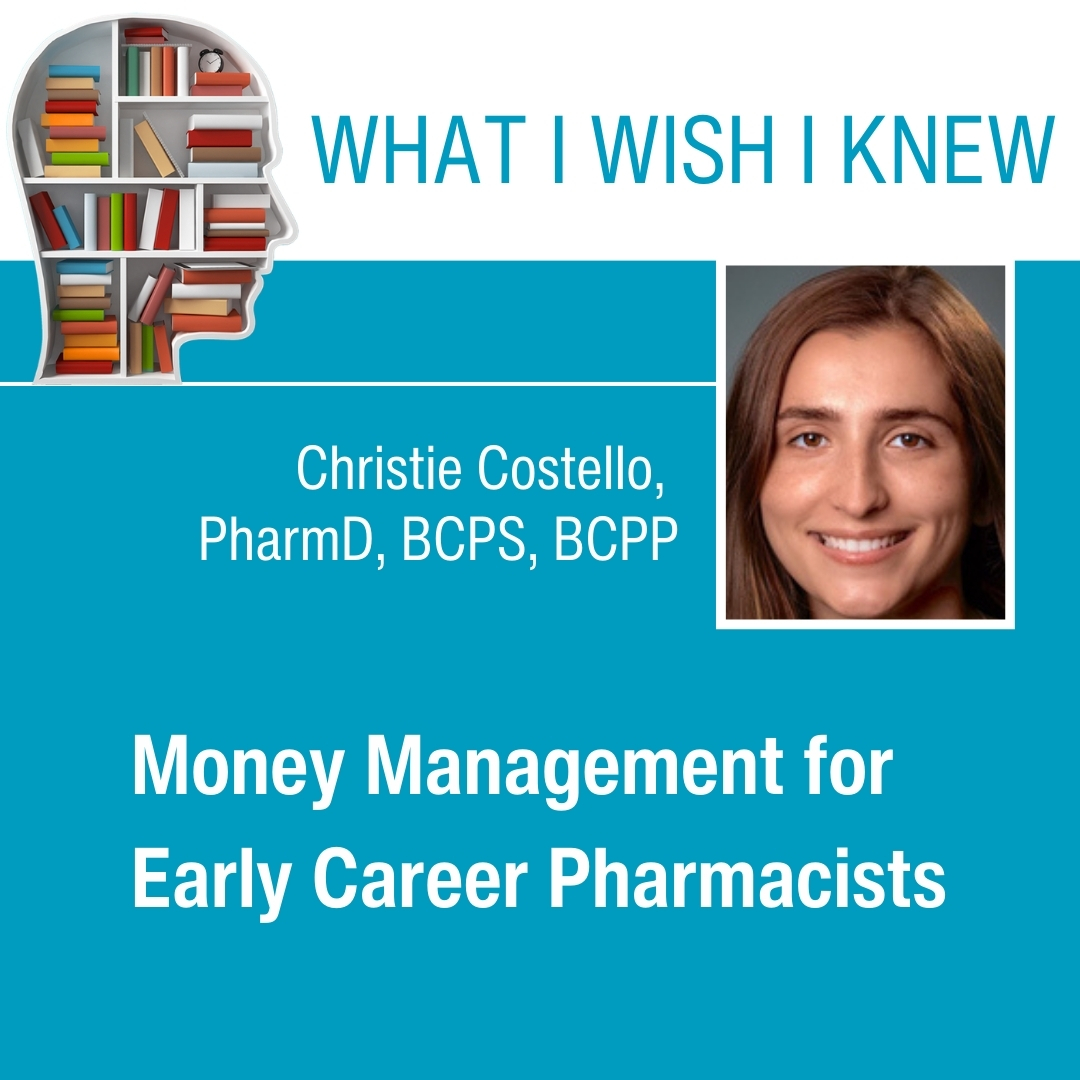
"Pharmacy school taught us how to manage complex pharmacotherapy, but it did not teach us how to budget, navigate major financial decisions, or invest. These are the financial lessons I wish I learned earlier in my career, because even a little awareness from the start can prevent a lot of stress later."
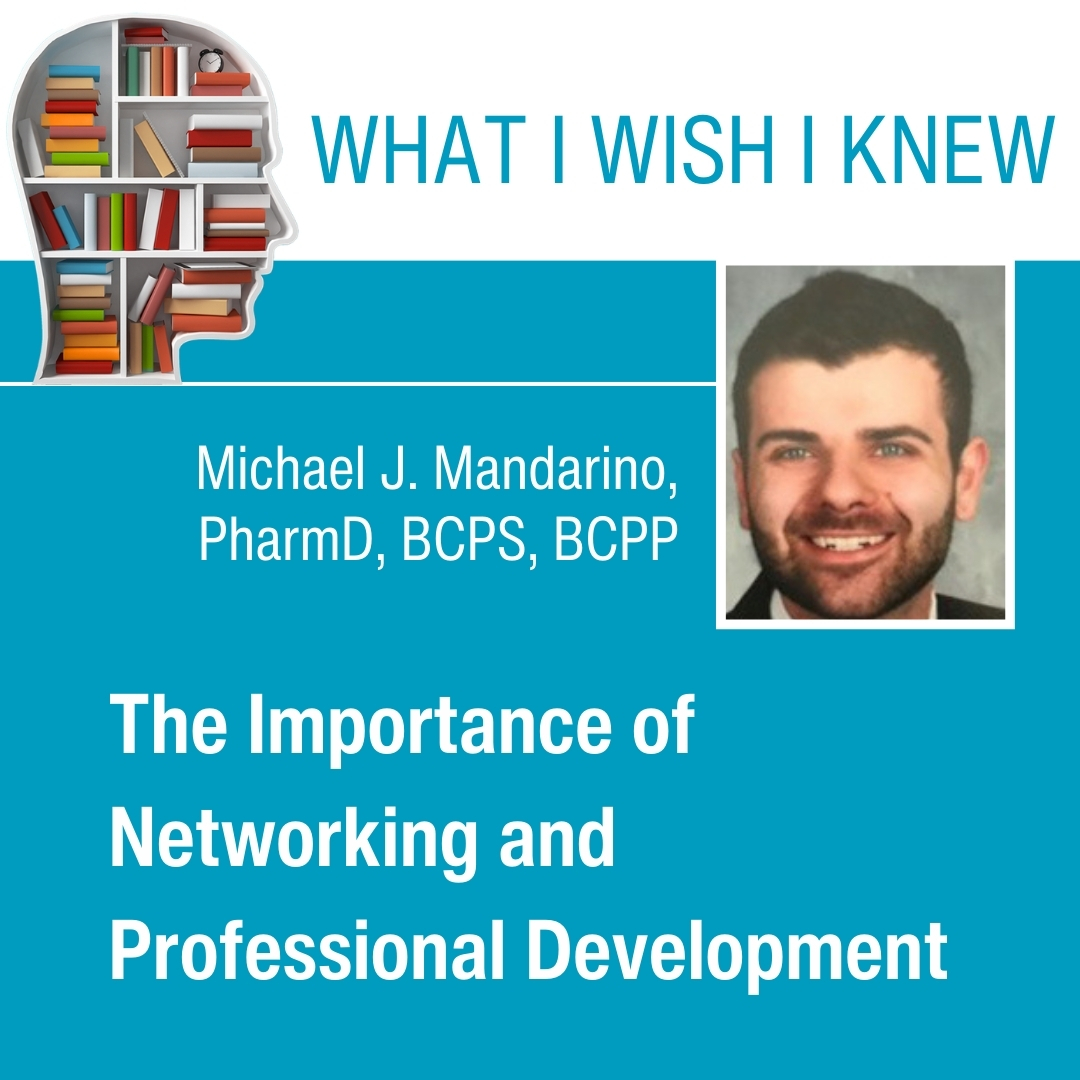
"One of the most important lessons I have learned is that professional development does not depend on having a specific title or years of clinical experience but instead depends on early intention and curiosity."
No summary available
No summary available
This blog series by the Resident and New Practitioner Committee is targeted to psychiatric pharmacists seeking their first or a new position. This blog explores opportunities in academia.
This blog series by the Resident and New Practitioner Committee is targeted to psychiatric pharmacists seeking their first or a new position. This blog explores opportunities in community health systems.
Target Audience The Summit is a 2-day virtual meeting devoted to advancing the care of individuals living with mental illness. Participants in the Summit will improve their ability to care for patients diagnosed with mental illness(es), with a focus on emerging areas of practice and contemporary issues in psychiatric pharmacy at the specialist level. Topics span treatment settings and are of value to all psychiatric pharmacists regardless of the practice setting.
No summary available

These results suggest that MOUD access in supportive housing should be expanding, which could require embedding addiction care into PSH teams, leveraging behavioral health touchpoints, and addressing persistent disparities.
This episode examines how pharmacy-based models are closing gaps in addiction care deserts, how pharmacists can strengthen interdisciplinary care teams, and why fair reimbursement for pharmacist services matters for sustaining care in the communities hit hardest by overdose.
This paper introduces behavioral health, Medicaid, and public health agency leaders, administrators, managers, and policymakers to selected public child- and family-serving systems.
AAPP's newest policy brief addresses misinformation about the association between antidepressants and violence, emphasizing the safety and benefits of antidepressants for treating various mental health disorders.
No summary available
No summary available
Clinicians are rightly expected to disclose their gaps in knowledge or their inability to forecast an outcome. Yet emerging AI tools often cannot, or will not, do the same.
No summary available
Findings from this study suggest that restrictive policies on antidepressant prescribing are unlikely to align with public sentiment and may risk exacerbating existing inequities in care.
This SAMHSA advisory outlines evidence-based strategies to integrate physical and behavioral health services, improving outcomes, reducing costs, and enhancing quality of life.
No summary available
Findings of this meta-analysis suggest that ketamine may be considered an off-label treatment for those at risk of suicidal behaviors or those not responding to other treatments for depression.

No summary available
AAPP member Farah Khorassani explains her vital role on the care team.
LGBTQ+ young people who reported living in very accepting communities attempted suicide at less than a third of the rate of those who did not.