
The incidence and risk elevation of incident mental disorders in cancer patients vary based on sex, cancer type, time since diagnosis and type of mental disorder.

The incidence and risk elevation of incident mental disorders in cancer patients vary based on sex, cancer type, time since diagnosis and type of mental disorder.
Referring patients to behavioral health specialists for CBT and/or prescribing recommended pharmacotherapy with Collaborative Care Management can help to reduce patient morbidity and improve functioning.
These data indicate a need to identify and disseminate successful hospital-based strategies to increase prescribing of MAUD.
The link between specialty-care-only policies and lower diversion and overdose risk is not supported by the reviewed literature.
Actigraphy appears to be a feasible objective tool for sleep assessment in SUDs, though additional studies across diverse substances are needed.
Interactive sVMs can effectively dispense HR items and connect individuals to services, thereby having the potential to improve individual and public health. Contextual factors, such as location, may influence utilization.
Single-item patient-reported outcome measures are pragmatic tools for implementing measurement-based care in substance use treatment.
Symptom-based dosing decreased time to medical readiness for discharge compared with a scheduled opioid taper approach among infants cared for with ESC.
These results demonstrate substantial missed opportunities for MOUD treatment during pregnancy, highlighting the need for targeted interventions to improve evidence-based perinatal OUD care.
This cross-sectional study found a substantial increase in the percentage of individuals with OUD who received MOUD among almost all states.
Medicaid managed care plans located in Republican-leaning states were less likely to be subject to state requirements governing coverage and prior authorization of SUD treatment medications, with the exception of methadone, and were also less likely to align with requirements when imposed by states.

No summary available
Orphines are 10 times more dangerous than fentanyl and are showing up in street drugs within the US.
This study evaluated the efficacy of semaglutide once-weekly in treatment-seeking patients with alcohol use disorder and comorbid obesity.
This report examines how existing CIC programs operate, funding strategies used to sustain their work and offers insights to help strengthen and expand CIC models nationwide.
In this large population based cohort, prenatal exposure to benzodiazepines or Z-hypnotics was not associated with an increased risk of psychiatric disorders in offspring.

The U.S. Department of Health and Human Services (HHS) recently announced efforts to curb psychiatric overprescribing at a MAHA Institute summit on mental health and overmedicalization.

No summary available
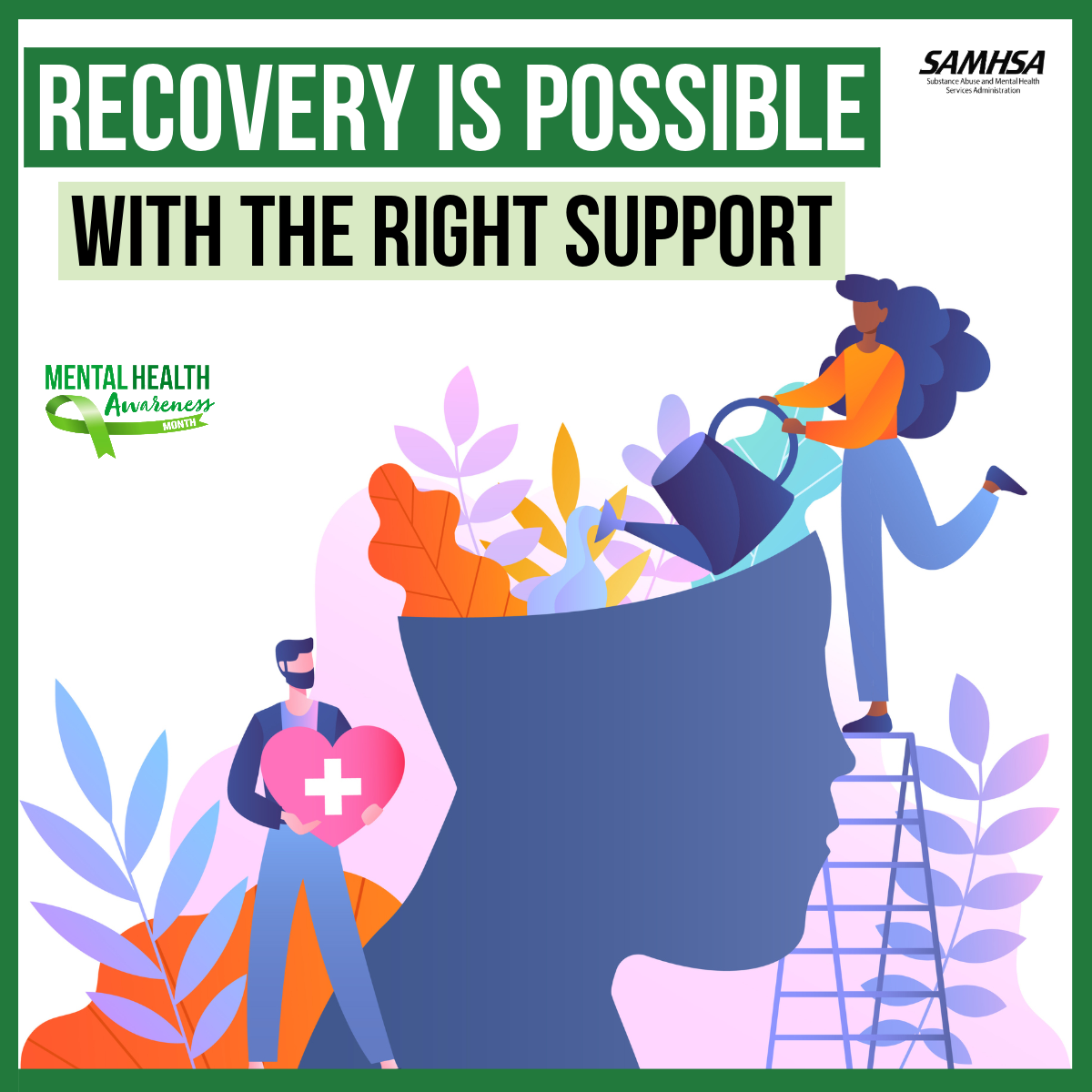
Someone you love may face both a mental condition and a substance use challenge. They deserve steady support, starting with you. When more is needed, help is available 24/7. Call or text 988 anywhere in the U.S. Learn more: 988lifeline.org #MHAM2026 #SeeThePerson

Respectful communication about mental health is especially important during times of transition, including housing instability or reentry into the community. Compassionate words signal safety when people need it most. #MHAM2026 #MentalHealthAwarenessMonth
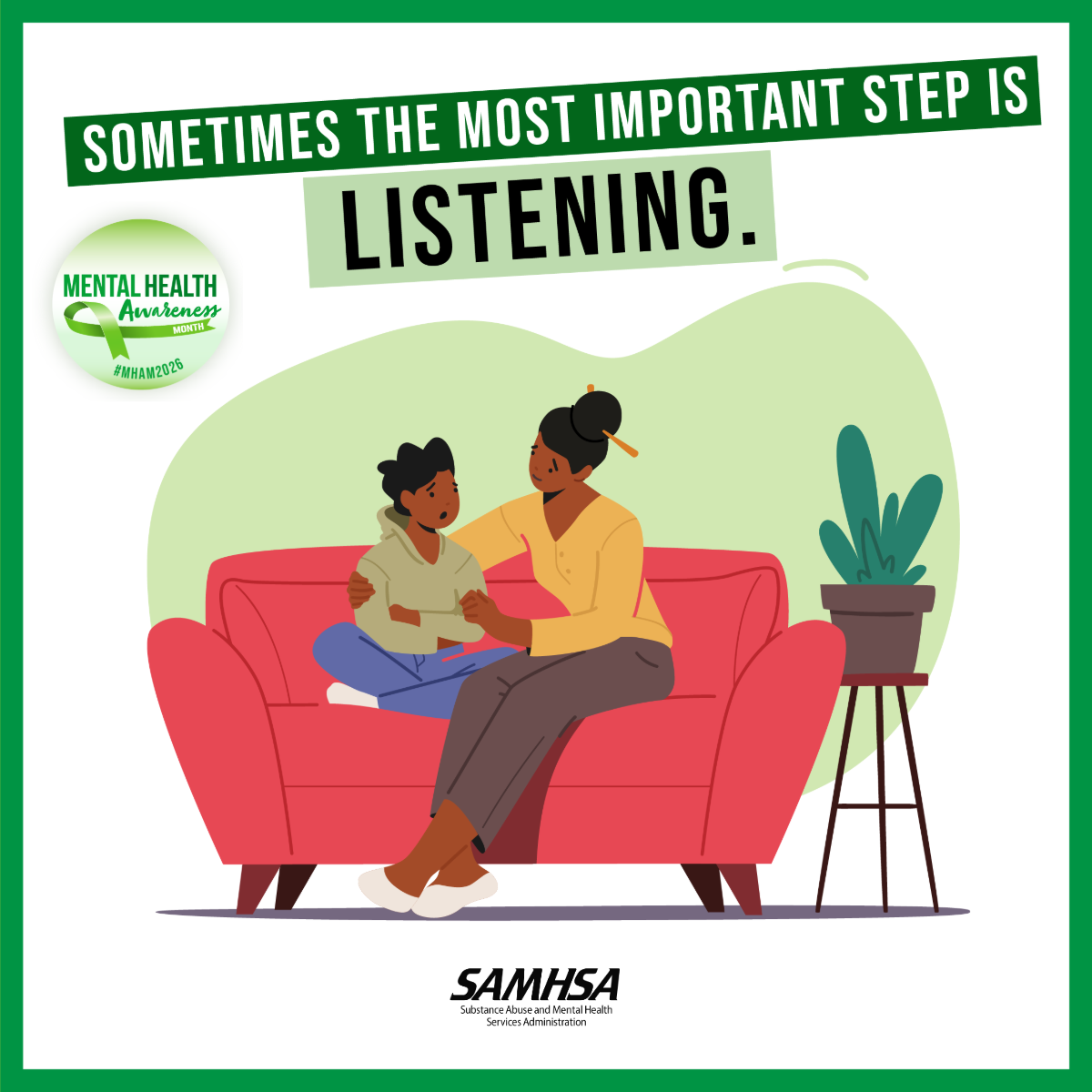
Parents and caregivers are often the first to notice when something feels different. Changes in mood, sleep, appetite or behavior may signal a young person needs support. #MentalHealthAwarenessMonth #SeeThePerson
The Food and Drug Administration (FDA) approved the drug Auvelity this week for the treatment of agitation in adults with Alzheimer's dementia. The extended-release tablet is the first FDA-approved medication for this condition that is not an antipsychotic.
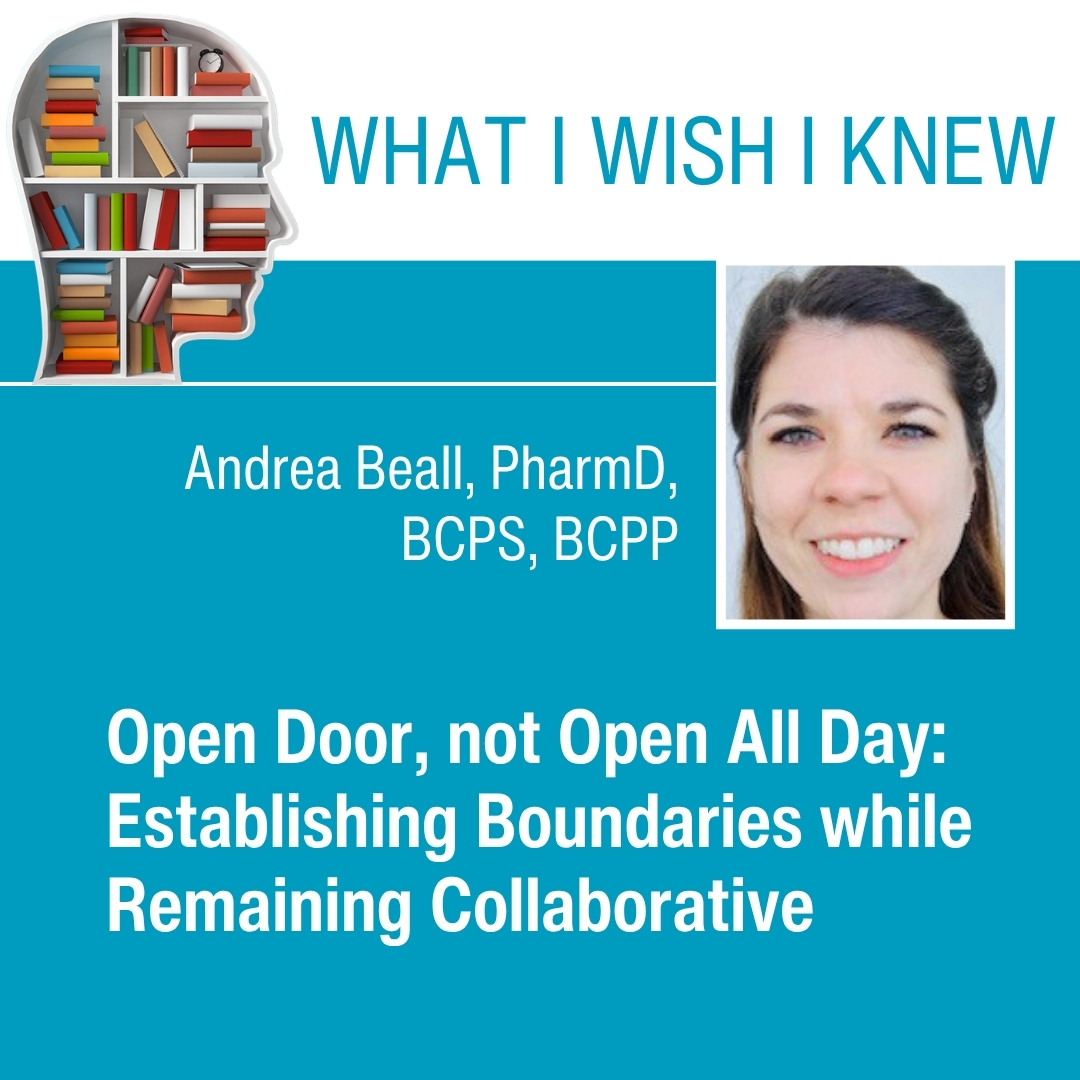
Sometime in your career, you'll have to say no. Read more from Dr. Andrea Beall about how to professionally say "no" while leaving opportunities open for the future.

No summary available

This blog series by the Resident and New Practitioner Committee is targeted to psychiatric pharmacists seeking their first or a new position. Throughout the spring of 2026, this series will feature interviews with hiring managers in various types of settings.