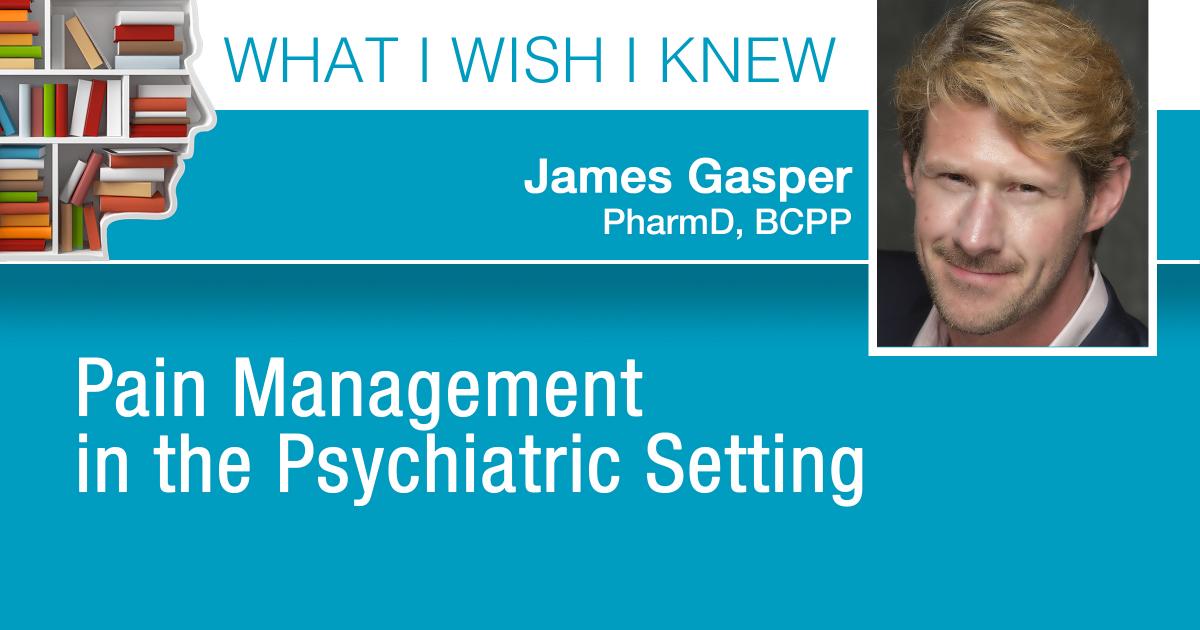
James Gasper, PharmD, BCPP Psychiatric and Substance Use Disorder Pharmacist California Department of Health Care Services Sacramento, CA

James Gasper, PharmD, BCPP Psychiatric and Substance Use Disorder Pharmacist California Department of Health Care Services Sacramento, CA
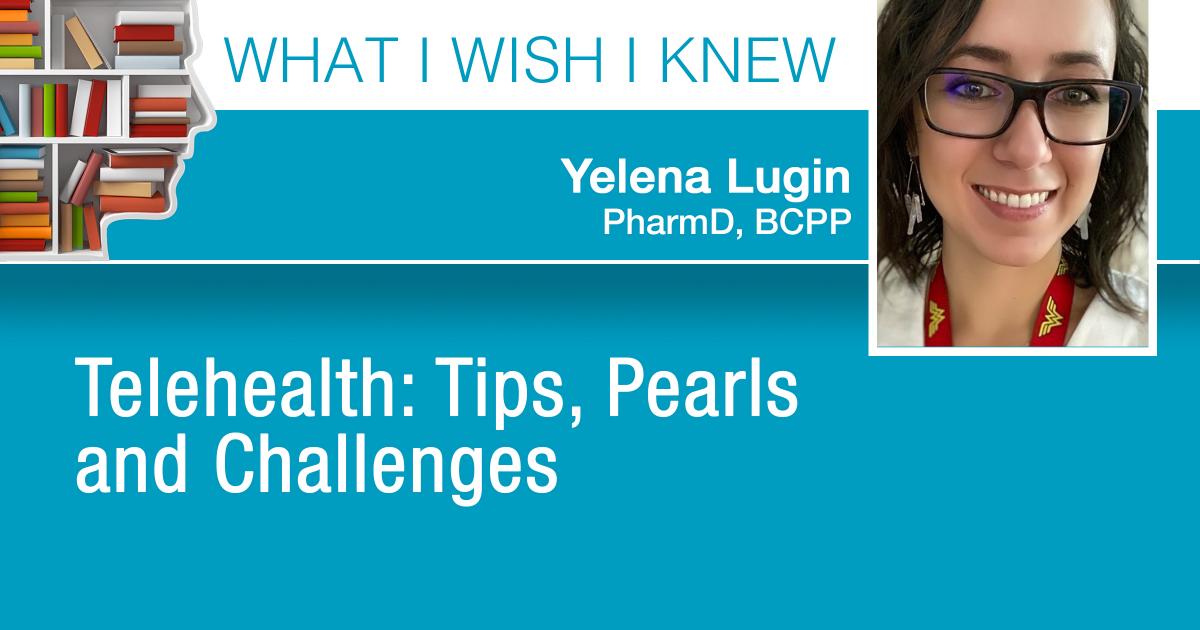
Yelena Lugin, PharmD, BCPP Psychiatric Clinical Pharmacy Specialist Robley Rex VA Medical Center Louisville, KY
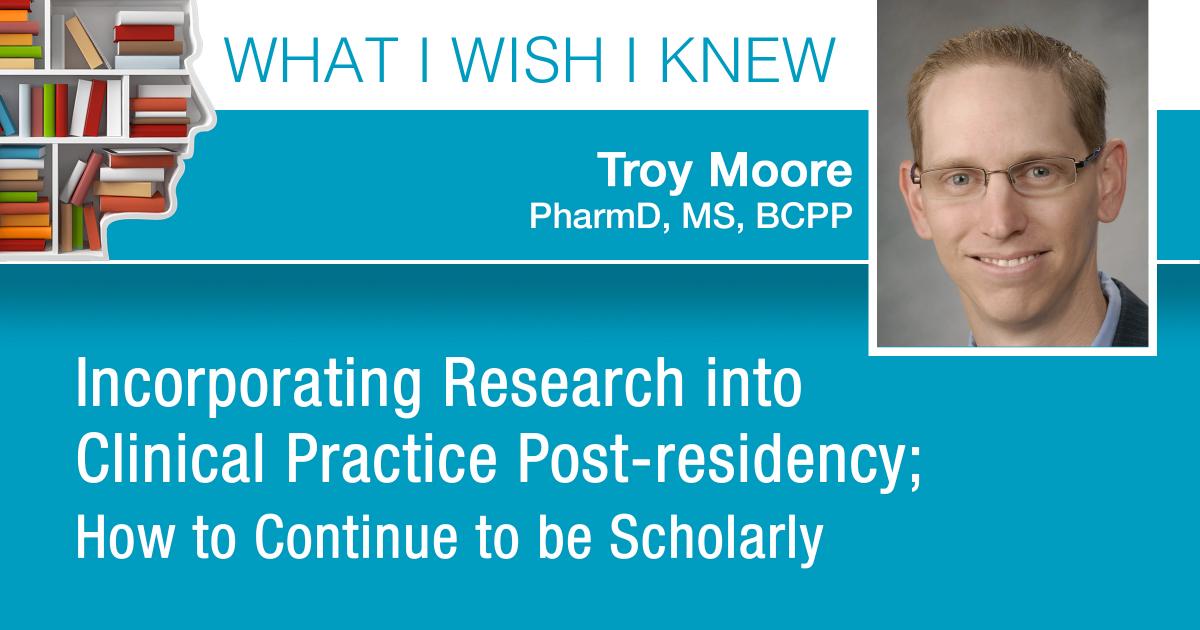
Troy Moore, PharmD, MS, BCPP Medical Science Liaison II Alkermes, Inc. Aurora, CO
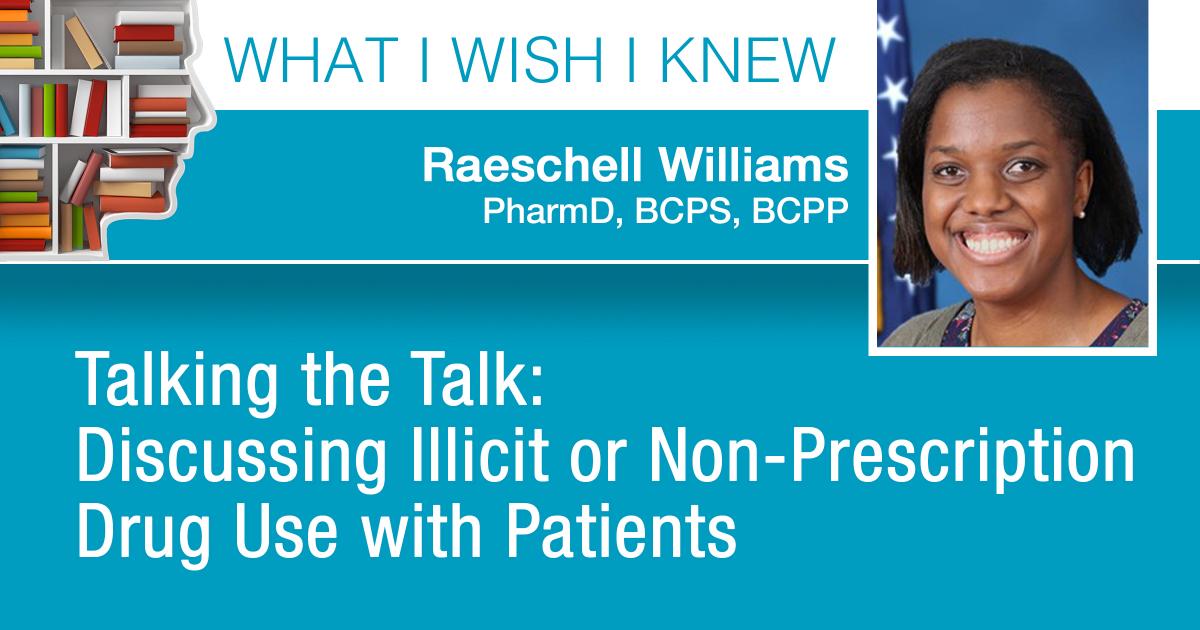
Raeschell Williams, PharmD, MPH, BCPS, BCPP Clinical Pharmacist Practitioner, Mental Health and Substance Use Disorders South Texas Veterans Health Care System San Antonio, TX
The National Council for Behavioral Health Medical Director Institute has recommended that the number of Board Certified Psychiatric Pharmacists (BCPPs) be expanded to help meet the growing demand for mental health services. BCPPs currently assist in expanding care access, improving medication-related outcomes, and reducing health care costs by working collaboratively with physicians and other health care providers.
A 2019 survey identified significant variability of practice characteristics among outpatient psychiatric pharmacists (OPPs). No published model established which attributes constitute best practice for OPPs. By developing a consensus for best practice model attributes, outpatient psychiatric pharmacists can work toward consistent, effective patient care.

Psychiatric pharmacists are advanced practice clinical pharmacists who specialize in mental health care. With an extensive knowledge of medication management, they are skilled at treating the whole patient. They strengthen the mental health team by working directly with patients and improving treatment outcomes. This practice expansion toolkit provides background and resources related to Facilitating Change to Develop a Practice Position in Psychiatric Pharmacy.
Psychiatric pharmacists are advanced practice clinical pharmacists who specialize in mental health care. With an extensive knowledge of medication management, they are skilled at treating the whole patient. They strengthen the mental health team by working directly with patients and improving treatment outcomes. This practice expansion toolkit provides background and resources related to Job Description Templates.
Psychiatric pharmacists are advanced practice clinical pharmacists who specialize in mental health care. With an extensive knowledge of medication management, they are skilled at treating the whole patient. They strengthen the mental health team by working directly with patients and improving treatment outcomes. This practice expansion toolkit provides background and resources related to Behavioral Health Integration (BHI) Model of Care.
Psychiatric pharmacists are advanced practice clinical pharmacists who specialize in mental health care. With an extensive knowledge of medication management, they are skilled at treating the whole patient. They strengthen the mental health team by working directly with patients and improving treatment outcomes. This practice expansion toolkit provides background and resources related to "Incident to" Billing.
What to know about maternal mental heath.
What to know about transgender hormone therapy.
What you need to know about CBD.
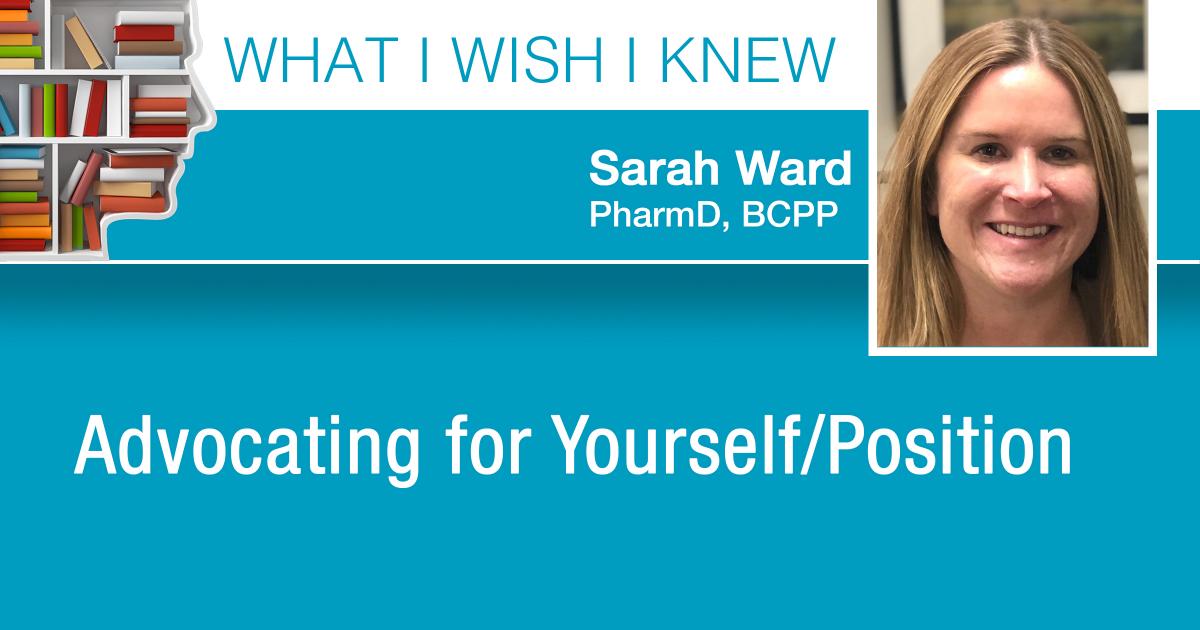
Sarah Ward, PharmD, BCPP Mental Health Clinical Pharmacist Practitioner Veterans Affairs – Veterans Integrated Service Network 10 Cincinnati, OH

The professional affairs committee is maintaining a set of presentation slides to help you introduce more people to psychiatric pharmacy.

Dr. Seth Gomez is a psychiatric pharmacist working for Alameda County Behavioral Health Care Services. Find out how his work supporting primary care physicians in providing Medication for Opioid Use Disorder Treatment (MOUD) services has brought patient care to another level.

Dr. Bridget Bradley teaches at Pacific University School of Pharmacy and practices as a pharmacist at one of Virginia Garcia Memorial Health Center’s primary care clinics in Hillsboro, Oregon. Learn how Dr. Bradley, as the only psychiatric pharmacist within the health center’s five clinics, is essential to the success of the entire mental health team.

Dr. Dana Chiulli is a psychiatric pharmacist at the Ralph H. Johnson Veterans Affairs (VA) Outpatient Clinic in Savannah, Georgia, a satellite of the VA Hospital in Charleston, South Carolina. Learn how Dr. Chiulli improves access to care for Veterans with a wide variety of locations and needs.

Dr. Jeffrey Gold is a psychiatric pharmacist and the psychiatric pharmacy residency director at the Veterans Affairs (VA) Rocky Mountain Regional Medical Center in Denver, Colorado. Find out how he has become an integral part of the treatment team and extended its reach via telehealth.
Psychiatric pharmacists are advanced practice clinical pharmacists committed to being part of an interdisciplinary team treating substance use disorders often in combination with serious mental illness. AAPP members have authored numerous substance use disorder toolkits, documents, and educational activities to further the knowledge of pharmacists and other health care professionals.
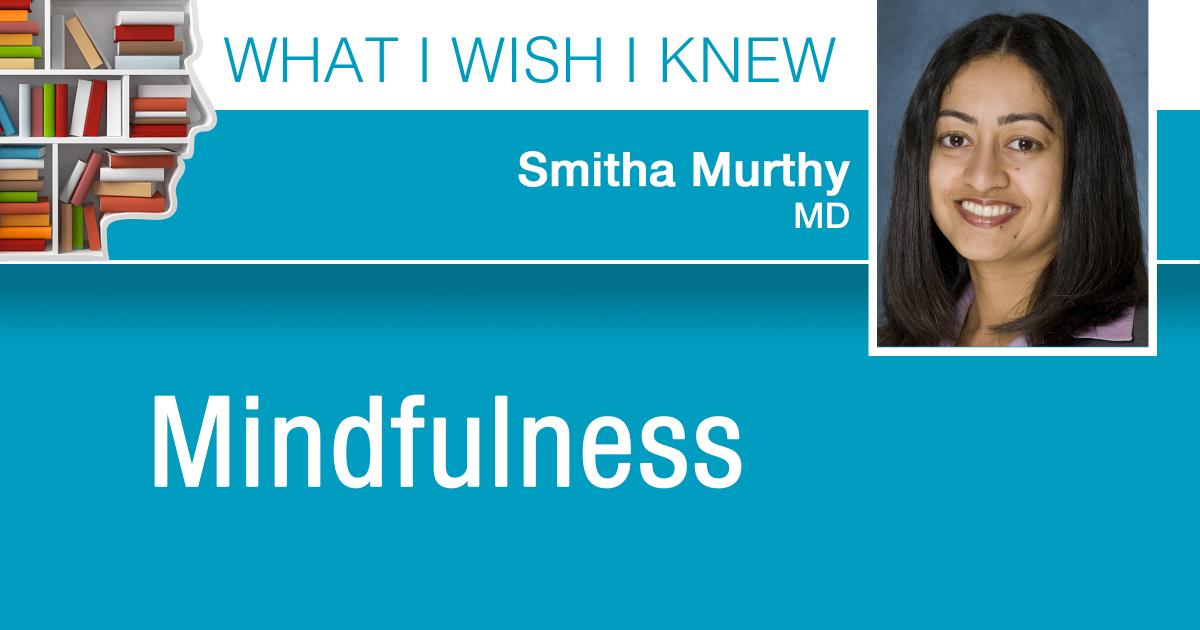
Dr. Smitha Murthy is an Assistant Professor of Psychiatry at the University of Austin Dell Medical School, clinical faculty on the Consultation-Liaison Psychiatry Service as part of Ascension Seton. She is board-certified in Psychiatry and Consultation-Liaison Psychiatry, and serves as the site director for the Psychiatry C&L service for medical students, residents, and fellows at Seton Medical Center Austin.
AAPP's membership consists of psychiatric pharmacy practitioners, residents, fellows, and students who are dedicated to helping people living with mental health disorders. We share these national and international days as a way to raise awareness of mental health and the role pharmacists can play.
Orlando International Airport (MCO) Orlando International Airport serves nearly 135 domestic and international destinations and is located just 25 miles from the Omni Orlando Resort at ChampionsGate, the host of AAPP 2024.
A strong word-of-mouth marketing campaign is the surest way to promote the continued growth of an organization. As an active member, you not only know the value that your membership provides in advancing your career and strengthening your profession, but you are also in daily contact with a wealth of prospective members at your job and through your network of professional colleagues.