The Board of Directors is always happy to receive feedback from members!

The Board of Directors is always happy to receive feedback from members!
No summary available

Approximately 60% of depression is treated in the primary care setting. Psychiatric pharmacists can utilize their knowledge and training to assist primary care providers in treating mental illness. Watch this video to learn more.

If you would like to send a message to the board of directors, please use the contact form or email board@aappfoundation.org.

AAPP and the AAPP Foundation are pleased to be offering a complimentary, 2-hour workshop: Cultivating Expertise: Enhancing Presentation Design and Speaker Development in Psychiatric Pharmacists. Earn ACPE credit and make yourself a standout voice in the field of psychiatric pharmacy!
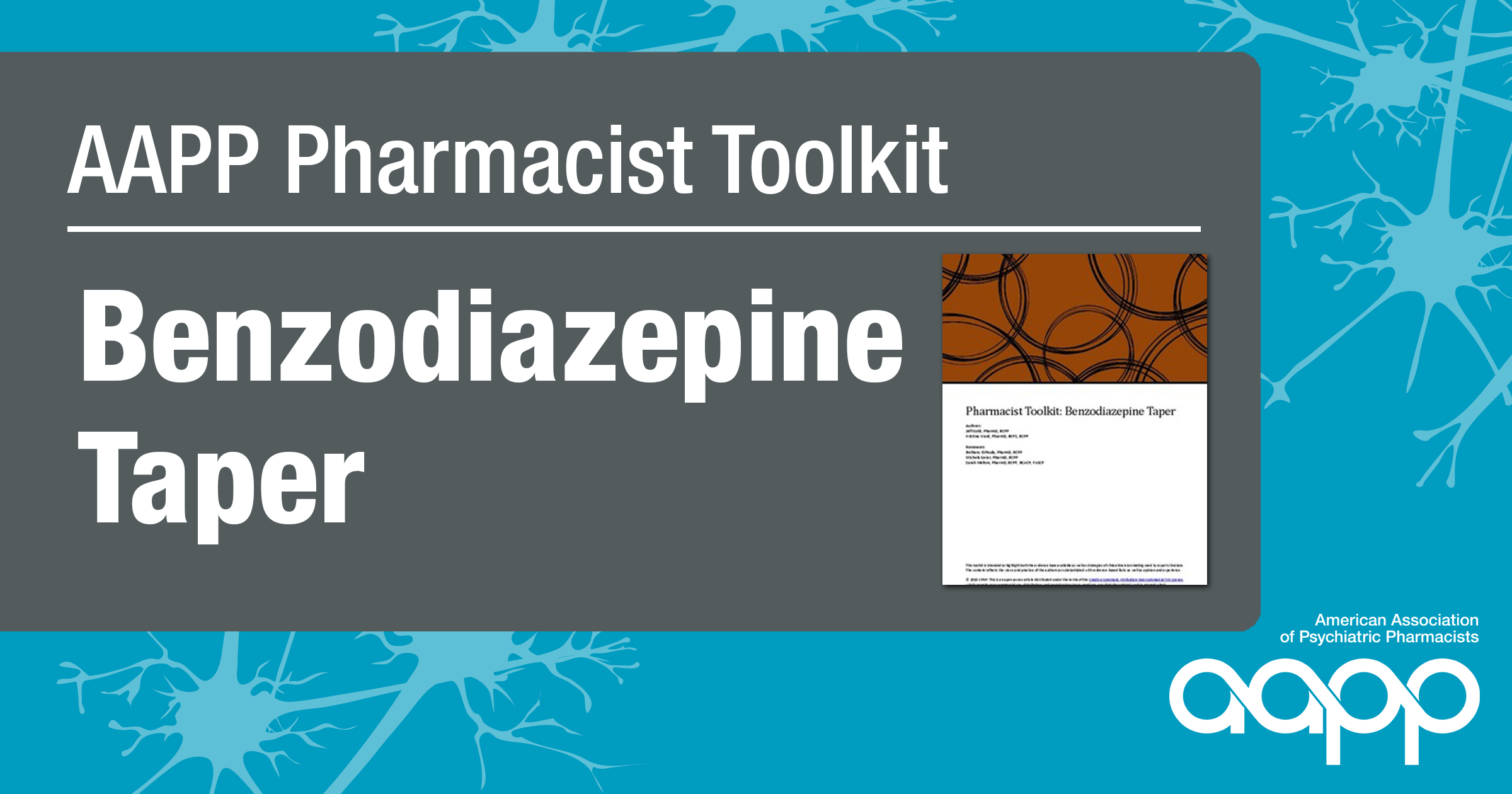
This pharmacist toolkit on benzodiazepine taper includes populations at risk for complications, screening and diagnosis, benzodiazepine withdrawal, treatment, special populations, harm reduction, clinical pearls, authors experience, and references.

No summary available

Evidence on the effectiveness of harm reduction interventions in preventing bacterial infections among people who inject drugs is limited and inconsistent, as most studies are observational, focus on skin and soft tissue infections and present substantial methodological limitations.
Improved characterization and management of impaired sleep in individuals with OUD and psychiatric symptoms may reduce relapse risk, enhance emotional regulation, and decrease self-medication.
Cannabis use was associated with substantially higher mortality, cardiovascular, and renal risk among patients with T2DM initiating GLP-1 RAs, with a dose-response pattern. Clinicians should inquire about cannabis use when prescribing GLP-1 RAs.
Sex differences in alcohol consumption following short-term abstinence are likely not explained by changes in AER.
Participants reported high buprenorphine retention and substantial improvements in pain and substance use outcomes, with no overall differences between intervention and control conditions.
Reduction in craving mediates the effect of naltrexone-bupropion pharmacotherapy in MUD.
This study found no convincing evidence for the effectiveness of any pharmacological treatments for cocaine use disorder.
This paper outlines the evolving landscape of integrated care in the United States, including established frameworks that emphasize interdisciplinary teams, clear communication systems, and care coordination across providers.
STARS experts redefine stuttering as a brain-based neuropsychiatric disorder, urging interdisciplinary care.

No summary available
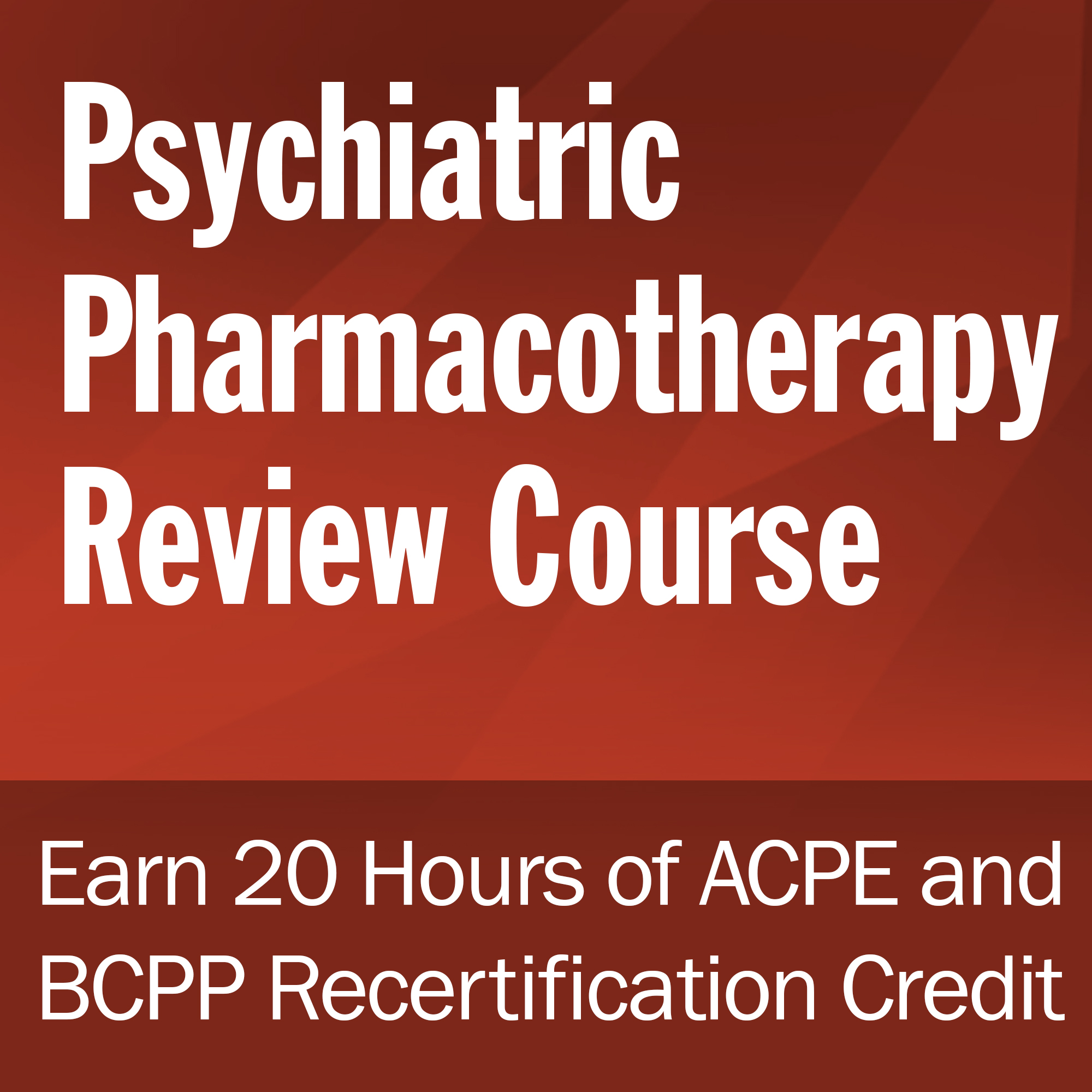
The Review Course offers 20 hours of ACPE and BCPP recertification credit and features core knowledge in the psychiatric specialty practice. Register now and pass the exam by Sept. 30, 2026, to earn credit. #BCPP #psychpharm #recertification #CE

Another exciting AAPP Summit is on the horizon! This 2-day virtual event offers ACPE, BCPP, and BCPMP recertification credit. Stay up-to-date on psychiatric pharmacotherapy and takeaway clinical pearls for daily practice.
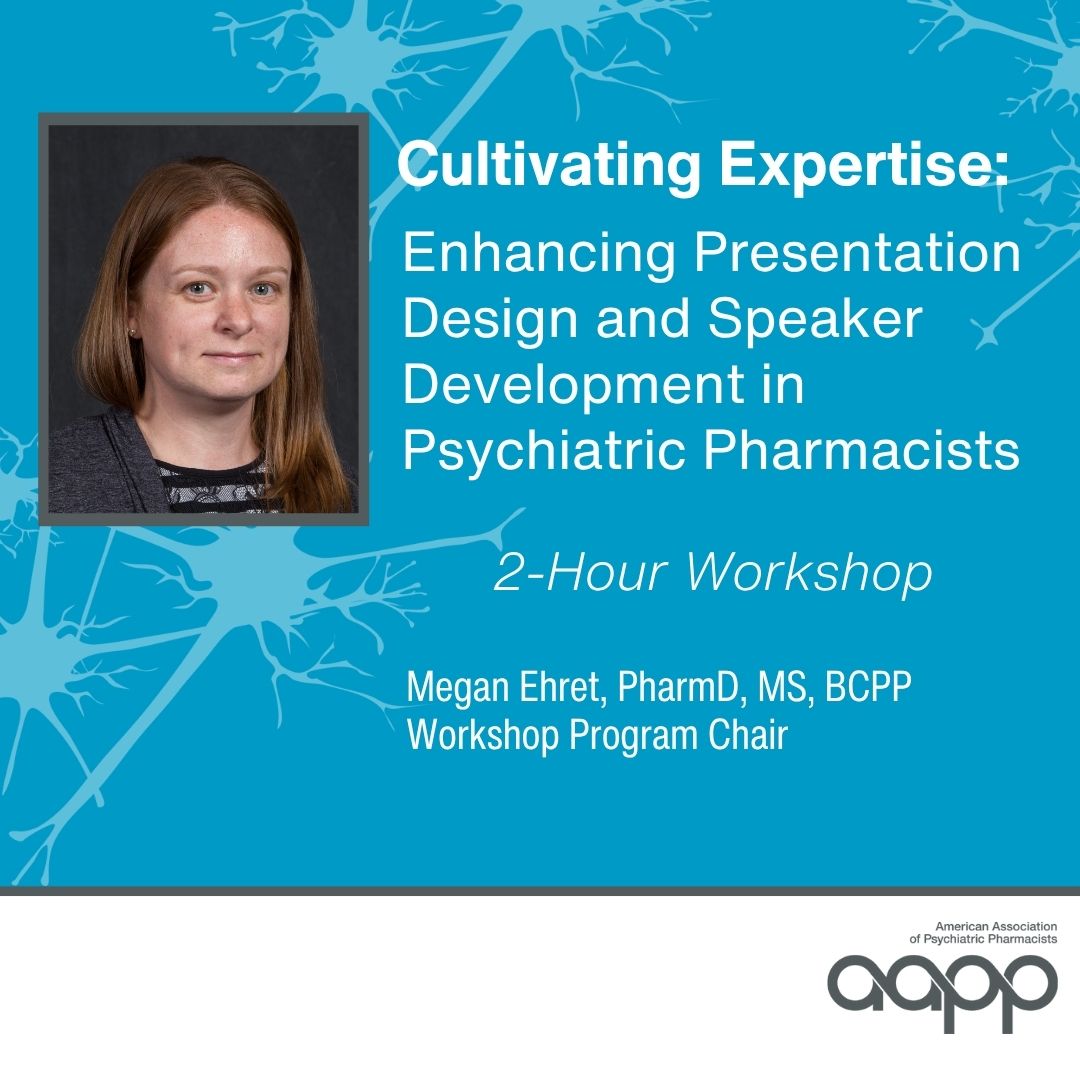
Through expert guidance, participants will refine their presentation skills and learn how to captivate audiences. This 2-hour program with ACPE credit provides a unique opportunity to gain practical tools to elevate speaking abilities, enhance your expertise and confidence, and make you a standout voice in the field of psychiatric pharmacy. Don't miss this opportunity to learn!
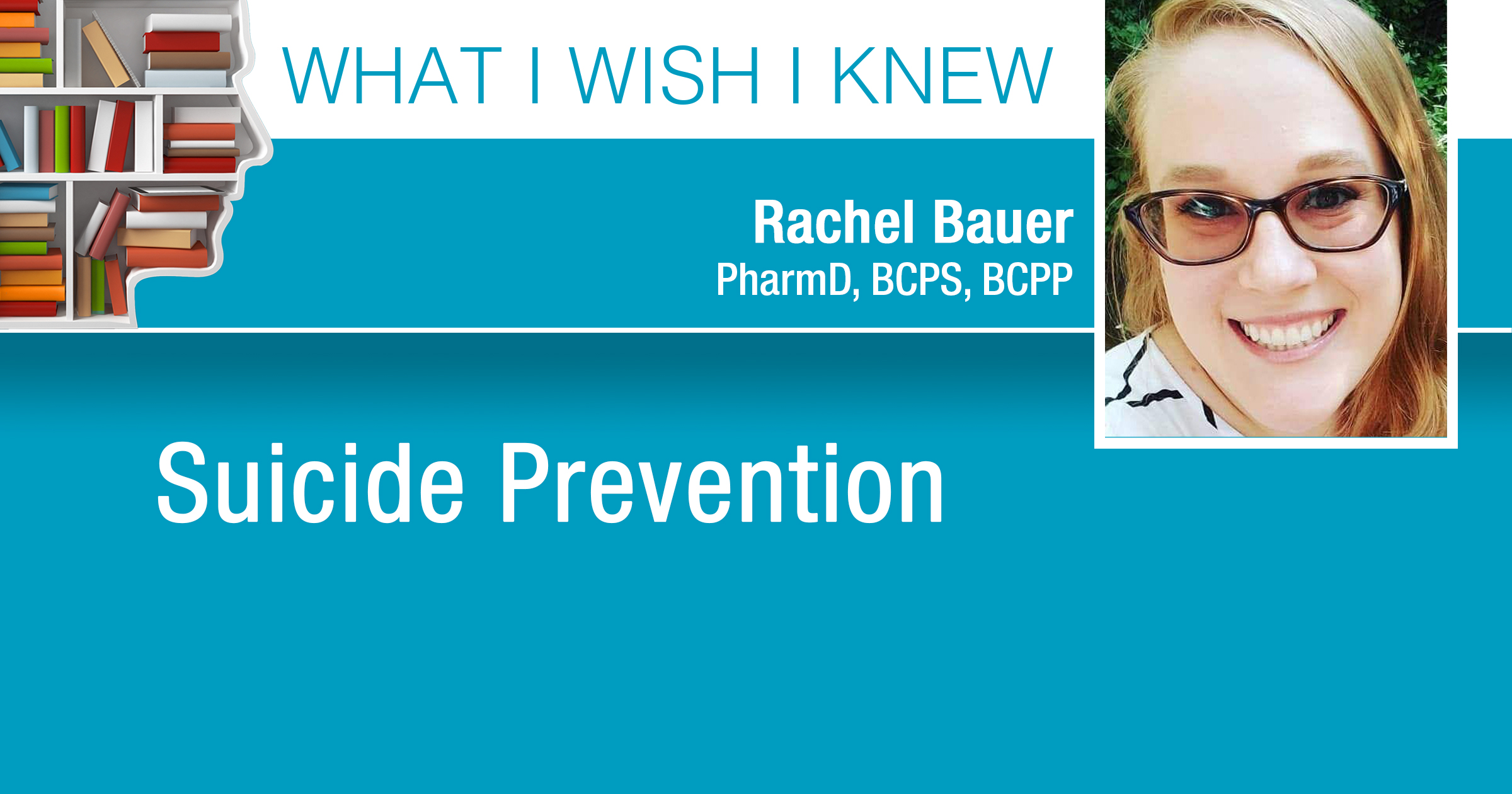
Dr. Rachel Bauer, PharmD, BCPS, BCPP, shares about assessing suicidal ideation, limiting access to high-risk medications, patient education, self-reflection, and grieving loss.
New SAMHSA Publication! This policy paper presents current evidence on AI and mental health services, and examines what is known or proposed in a rapidly evolving AI enterprise. Based on this information, the paper provides considerations for policymakers as they govern responsibly advancing AI into mental health and substance use disorder services.
Findings from this study suggest that Oregon’s state-regulated psilocybin services are generally safe and associated with improvements in mental health symptoms.
No summary available
This living umbrella review synthesized and evaluated the certainty of all available meta-analytic evidence on treatments for bipolar disorder across age groups, mood phases, and outcomes.