
The professional affairs committee is maintaining a set of presentation slides to help you introduce more people to psychiatric pharmacy.

The professional affairs committee is maintaining a set of presentation slides to help you introduce more people to psychiatric pharmacy.
This Pharmacist Toolkit on Addressing Stimulant Shortages is intended to provide an evidence-based guide for thoughtfully converting from one stimulant product formulation to another. Download the toolkit today! #psychpharm #toolkit
AAPP is pleased to provide a suggested reading list as a service and as a forum for member discussion. If you shop with AAPP by following the links below to Amazon, a small commission will be paid to AAPP which helps to financially support our mission to improve the minds and lives of individuals with psychiatric disorders.

Dr. Seth Gomez is a psychiatric pharmacist working for Alameda County Behavioral Health Care Services. Find out how his work supporting primary care physicians in providing Medication for Opioid Use Disorder Treatment (MOUD) services has brought patient care to another level.

Dr. Bridget Bradley teaches at Pacific University School of Pharmacy and practices as a pharmacist at one of Virginia Garcia Memorial Health Center’s primary care clinics in Hillsboro, Oregon. Learn how Dr. Bradley, as the only psychiatric pharmacist within the health center’s five clinics, is essential to the success of the entire mental health team.

Dr. Dana Chiulli is a psychiatric pharmacist at the Ralph H. Johnson Veterans Affairs (VA) Outpatient Clinic in Savannah, Georgia, a satellite of the VA Hospital in Charleston, South Carolina. Learn how Dr. Chiulli improves access to care for Veterans with a wide variety of locations and needs.

No summary available
This pharmacist toolkit provides clinicians with evidence-based information necessary to safely and confidently manage patients who are candidates for treatment with MAOIs.
This toolkit provides a resource for recognizing, understanding, and managing episodes of agitation and forms of aggression encountered in clinical practice.
AAPP’s resource document on Methamphetamine Use Disorder provides information on screening, diagnosis, intoxication, withdrawal, treatment, co-occurring psychiatric disorders, special populations, and harm reduction strategies.
AAPP's pharmacist toolkit on Xylazine is intended to highlight both the evidence base available as well as strategies of clinical decision making used by expert clinicians.
This member resource of treatment guidelines includes anxiety and related disorders, bipolar disorder, depression, medication-induced movement disorders, schizophrenia, seizure disorders, sleep-wake disorders, and substance use disorders.

The treatment of cannabis use disorder, special populations and co-occurring disorders as well as harm reduction strategies are also addressed in the toolkit.

This medication database provides important information on generic and brand name medications used in treating individuals living with mental health and/or substance use disorders.
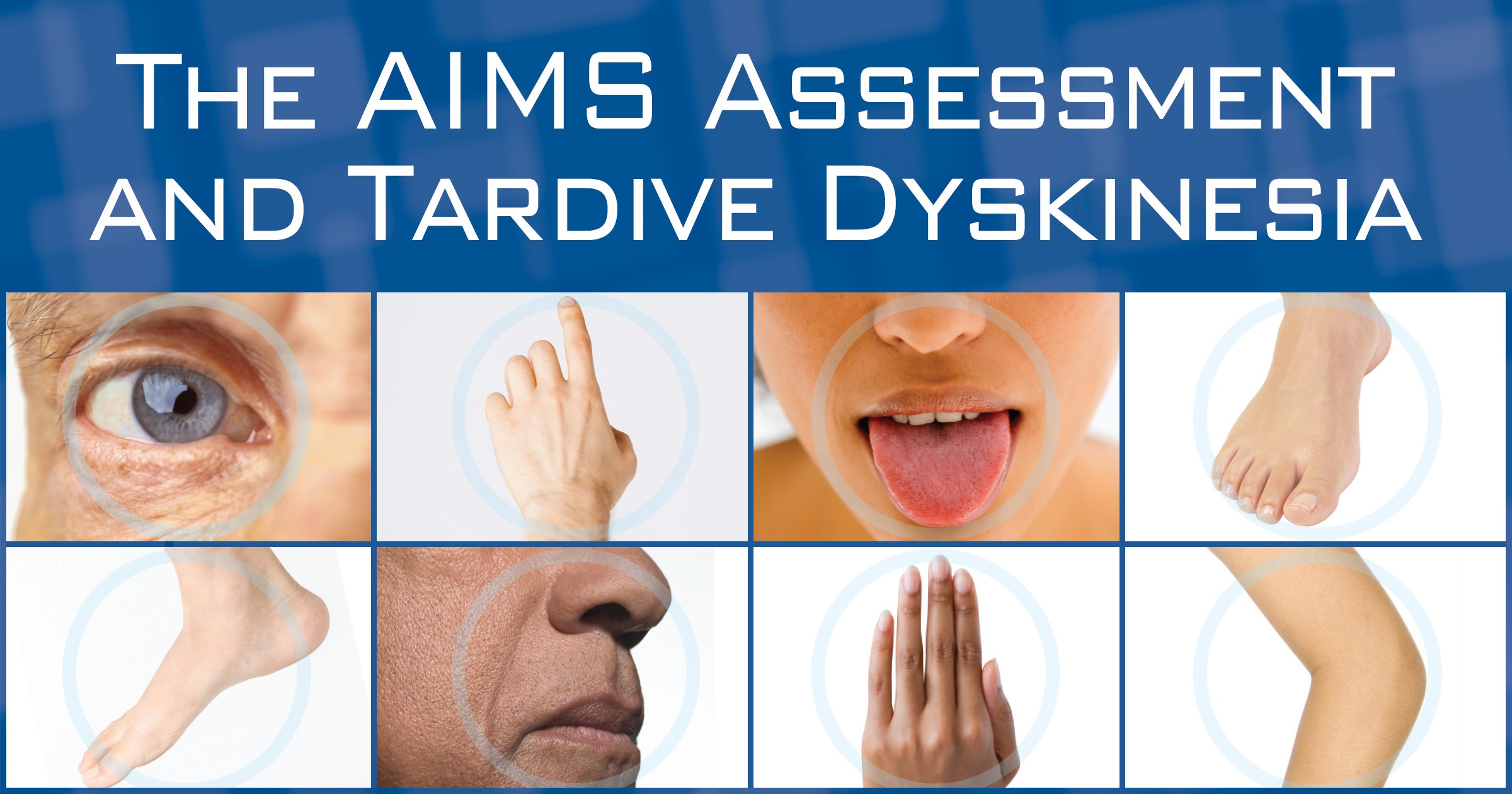
Learn the AIMS in 3 interactive courses! Learn how to administer the AIMS with tips, interactive severity assessment, and extra practice videos. Antipsychotic medications are a central part of the treatment process for those with schizophrenia and other mental health conditions, including depression and bipolar disorder. As a result, the potential for an antipsychotic to contribute to the development of a drug induced movement disorder continues to be a clinical concern.

Toolkit on harm reduction provides tips and guideline summaries in the following areas: consequences of injection drug use, harm reduction services, activities, policies, stigma, potential barriers, professional/policy support, resources, and data sources.

This pharmacist toolkit provides quick tips on an overview, HCV medications quick references, drug interactions of Hepatitis C Virus treatments, and references.

This toolkit provides tips and guidance in the following areas of Buprenorphine Initiation: Buprenorphine Treatment, Traditional Buprenorphine Initiation, Low Dose Overlap Initiation, Special Populations, Harm Reduction, Helpful Resources, and References

These free articles are intended to provide advice from experts for students, residents, and new practitioners.
Dr. Smitha Murthy is an Assistant Professor of Psychiatry at the University of Austin Dell Medical School, clinical faculty on the Consultation-Liaison Psychiatry Service as part of Ascension Seton. She is board-certified in Psychiatry and Consultation-Liaison Psychiatry, and serves as the site director for the Psychiatry C&L service for medical students, residents, and fellows at Seton Medical Center Austin.

Dr. Sarah E. Grady is a Professor, Department of Pharmacy Practice, College of Pharmacy and Health Sciences at Drake University. Her clinical practice site is the inpatient behavioral health unit at Broadlawns Medical Center in Des Moines, Iowa. Dr. Grady received her Doctor of Pharmacy from the University of Illinois in 1999.

I'm here to talk about what I wish I knew to keep with current literature.

Shannon Eaves Stratton, PharmD, BCPS, BCPP Mental Health Clinical Pharmacy Practitioner Richard L. Roudebush VA Medical Center Indianapolis, IN
Michelle Colvard, PharmD, BCPP Clinical Pharmacist Practitioner, Substance Use Disorders VA Tennessee Valley Healthcare System Nashville, Tennessee

Megan J. Ehret, PharmD, MS, BCPP, FAAPP Professor Co-Director of Mental Health Program Vice-Chair for Academic Affairs Department of Pharmacy, Sciences, and Health Outcomes Research University of Maryland, School of Pharmacy Baltimore, MD