
This report examines data from the Centers for Disease Control and Prevention (CDC) and other federal sources.

This report examines data from the Centers for Disease Control and Prevention (CDC) and other federal sources.
This study of Medicaid records from 29,193 women found that pregnant women who received OUD treatment, including medication, talk-based therapies, or both, had significantly better pregnancy outcomes than those who received no treatment.

Tianeptine or “gas station heroin” is readily available and a public health concern. Access this toolkit focused on mechanism of misuse, clinical presentation, and management of acute intoxication and withdrawal among other timely topics.
Widely known as "gas station heroin," tianeptine is illegal or unapproved for medical use in the U.S. but readily available in unregulated convenience stores and online. AAPP and author Sarah Thomason are providing an important toolkit addressing tianeptine’s mechanism of misuse, clinical presentation, and management of acute intoxication and withdrawal among other topics. Check out this timely member resource today.

Phenibut is sold as a supplement but has a high potential for abuse and dependency. Access this toolkit focused on mechanism of misuse, clinical presentation, and management of acute intoxication and withdrawal among other timely topics.
Sold as a readily available supplement, phenibut is not approved for medical use in the U.S. It has a high potential for abuse and dependency making AAPP’s newest toolkit an important read. Author Sarah Thomason addresses phenibut’s mechanism of misuse, clinical presentation, and management of acute intoxication and withdrawal among other topics. Check out this timely member resource today.

Eliminate confusion about the use of buprenorphine and methadone in acute care settings by accessing an FAQ resource addressing the most common questions and scenarios.
Despite their importance as first-line options for OUD treatment, confusion remains regarding their use in acute care settings, especially when patients seek care at institutions that do not have opioid treatment program (OTP) licensure. AAPP members and authors Zoe Karovolis, Emily Leppien, and Annette Percy have developed a go-to resource addressing frequently asked questions regarding the use of buprenorphine and methadone in acute care settings.

No summary available
These findings suggest that glucagon-like peptide-1 receptor agonist monotherapy may alter some nicotine outcomes in people who smoke, irrespective of cessation treatment.
GLP-1 RA use in adults on methadone with both OUD and T2D was associated with lower rates of cardiometabolic and mental health complications.
Findings suggest brief educational interventions can help primary care providers recognize misinformation that may otherwise undermine implementation efforts.
This study conducted a systematic review following PRISMA 2020 guidelines.
Momentum continued throughout 2025 in the areas of grant support, practitioner development, and sponsorship! View our 2025 Annual Report to see the impact. Thank you to the incredible donors who support this important work.

This blog series by the Resident and New Practitioner Committee is targeted to psychiatric pharmacists seeking their first or a new position. This blog explores opportunities in the pharmaceutical industry.

2025 Recertification Editorial Board Jade Abudia, PharmD, BCPP Augusta, GA No Relevant Financial Relationships to Disclose
Thank you for your interest in registering for the Summit, offered by AAPP virtually, October 1-2 2026. All purchases after the live event provide home study/enduring credit via session recordings.

AAPP recently published a statement of support for plaintiffs in American Academy of Pediatrics et al. v. Kennedy Jr., et al. Login to read the support letter and to see all recent comment letters.
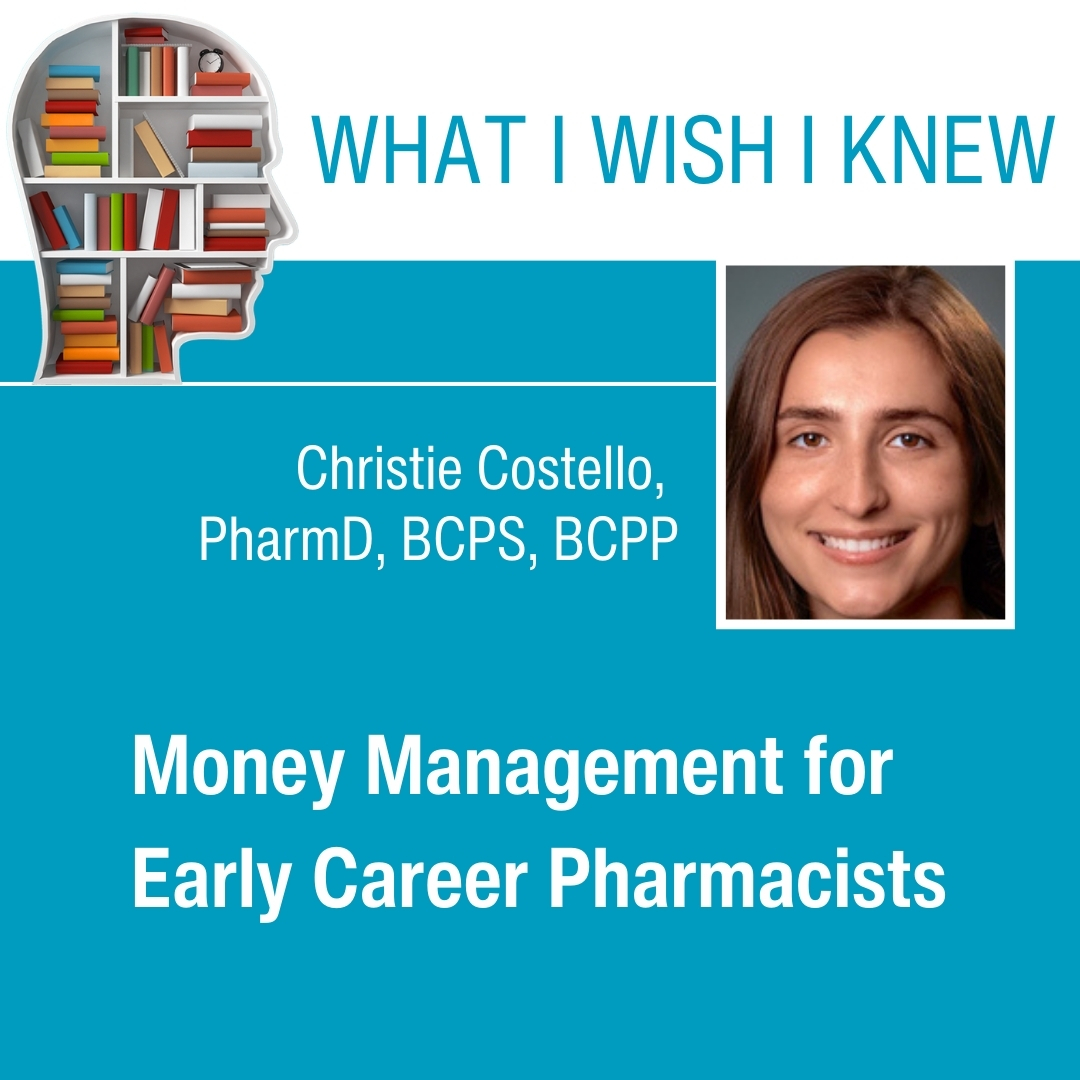
"Pharmacy school taught us how to manage complex pharmacotherapy, but it did not teach us how to budget, navigate major financial decisions, or invest. These are the financial lessons I wish I learned earlier in my career, because even a little awareness from the start can prevent a lot of stress later."
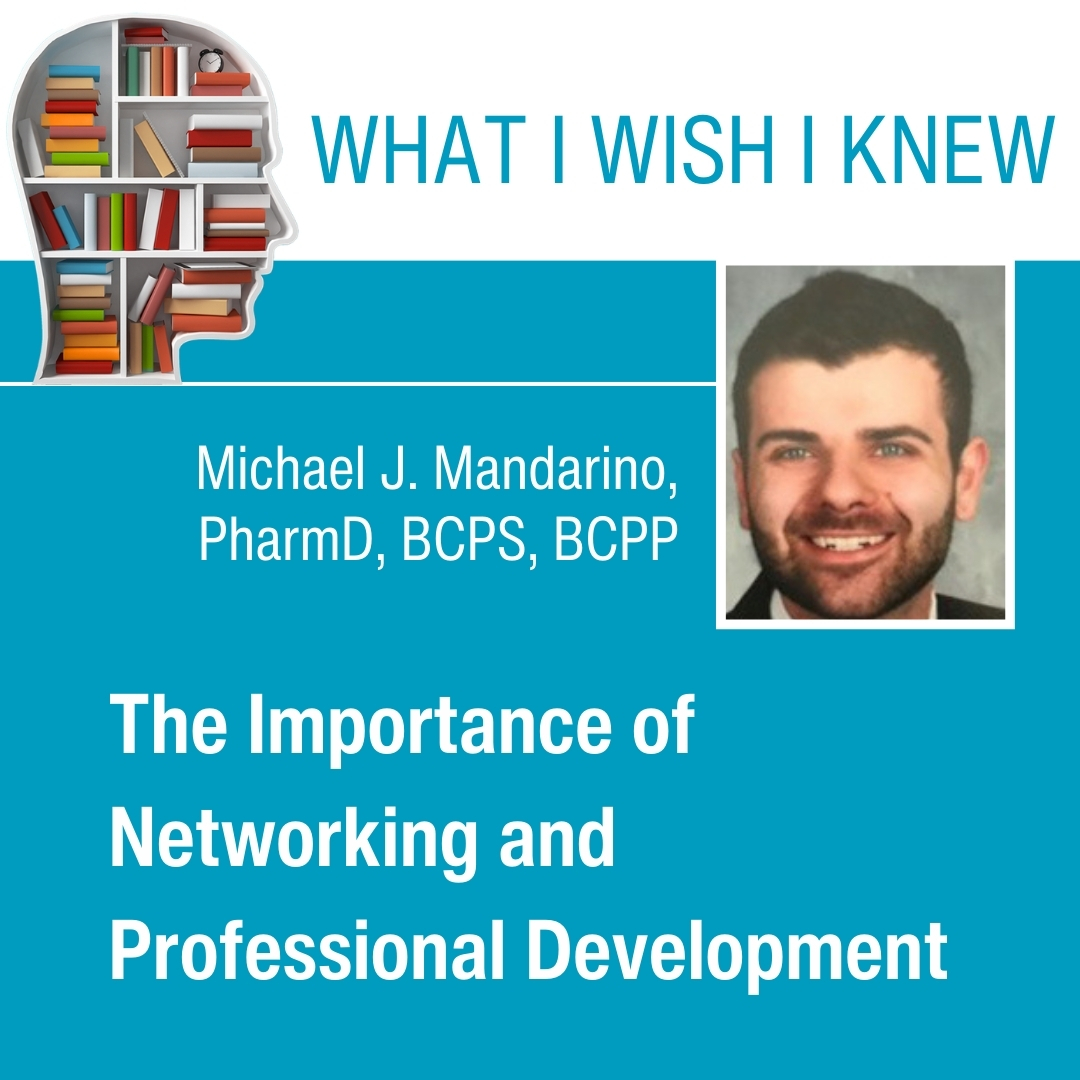
"One of the most important lessons I have learned is that professional development does not depend on having a specific title or years of clinical experience but instead depends on early intention and curiosity."
No summary available
No summary available

This blog series by the Resident and New Practitioner Committee is targeted to psychiatric pharmacists seeking their first or a new position. This blog explores opportunities in academia.
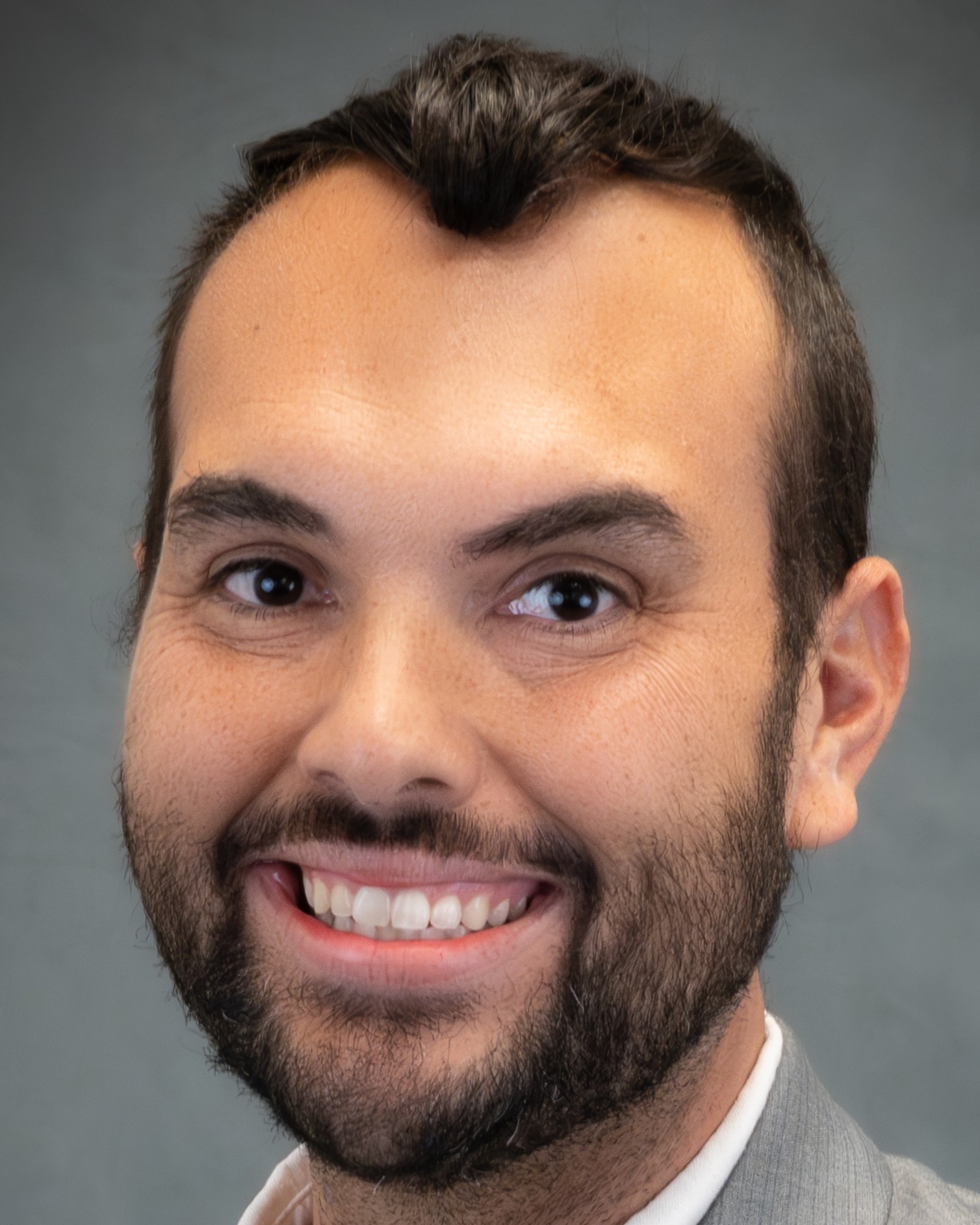
This blog series by the Resident and New Practitioner Committee is targeted to psychiatric pharmacists seeking their first or a new position. This blog explores opportunities in community health systems.
Target Audience The Summit is a 2-day virtual meeting devoted to advancing the care of individuals living with mental illness. Participants in the Summit will improve their ability to care for patients diagnosed with mental illness(es), with a focus on emerging areas of practice and contemporary issues in psychiatric pharmacy at the specialist level. Topics span treatment settings and are of value to all psychiatric pharmacists regardless of the practice setting.