
News and Insights for Psychiatric Pharmacists

Developing Effective Test-Taking Skills
Planning to sit for the BCPP exam? We've got resources! #BCPP #AAPP #examprep #psychpharmacy

AAPP Releases FAQ on Buprenorphine and Methadone in Acute Care Settings
Authored by AAPP members Zoe Karavolis, Emily Leppien and Annette Percy, AAPP has released an FAQ to help clinicians address frequently asked questions regarding the use of buprenorphine and methadone in acute care settings.
Psychotropic LAI Training Program Now Available!
AAPP's Psychotropic LAI Training Program is back and full of updates! This grant-funded educational activity is offered complimentary and includes access to 6 webinars and LAI resources like a pocket-guide, administration videos, and more. Register today and help us share this program with others that would find it valuable.

SAMHSA Resource - Healthy Starts: Postpartum OUD Care Transitions for Mother and Infant (Case Study)
This publication highlights best practices for managing OUD during and after pregnancy and summarizes current evidence on treating perinatal substance use disorder.

Around 1 In 5 Young People Use AI Chatbots For Mental Health Advice: Survey
Nearly 1 in 5 adolescents and young adults are turning to AI chatbots for advice when they’re sad, angry, nervous or stressed, according to a new study. The findings, from the research institute RAND, represent an increase from early 2025, when the nonprofit conducted a similar survey. At the time, around 13% of respondents said they used chatbots for such advice, but the share rose to 19% in the group’s latest survey in November.

Perinatal psychiatry: Innovative practice and transitions of care
"While working with the inpatient unit, I learned more about the transition of care to our outpatient Women's Mood Disorder clinic, the site for my ambulatory rotation during residency. My residency program director coordinated with the attending physician who oversaw the clinic, and I was immediately acknowledged as a member of the team. I was the first pharmacist to practice in this setting, which was a valuable experience in and of itself. I spent six months in the once-a-week clinic and grew to love my time there. To date, this was the most informative and rewarding patient care experience of my career..." Learn more about Caitlin Hughes' experience with perinatal psychiatry.

BPS Accepting Applications for 2027 Ambassador Roles
The Board of Pharmacy Specialties (BPS) is now accepting applications for the 2027 BPS Ambassador Program. Board-certified pharmacists interested can apply until June 12, 2026.
AAPP Participates at NAMI Convention
The National Alliance on Mental Illness (NAMI) held their national convention in Atlanta, GA May 28-30, 2026. AAPP members hosted a booth in the exhibit hall where volunteers answered questions from consumers at the ever-popular “Ask the Psychiatric Pharmacist” booth. A special thanks to Shari Allen, Katharine Heins, Lindsay Mccoy and Ashley Perkins.
Prevalence, adherence, and health care resource utilization in schizophrenia: A national and state-level analysis of US Medicaid Beneficiaries
These findings emphasize the need for targeted, system-level strategies to improve access, adherence, and coordinated care for individuals with schizophrenia within Medicaid programs.
Treatment-Resistant Depression: Costs, Caregiving, and Gaps in Care
This report used literature review and data analysis to gain insight into existing research and the real-world impact by examining Medicare fee-for-service and Part D data from 2021 to 2023.
Protecting Medicare’s Six Protected Classes
AAPP joined its coalition partners in the Partnership for Part D Access urging congressional leaders to oppose the CMS Guarding U.S. Medicare Against Rising Drug Costs (GUARD) Model and defend Medicare’s six protected classes policy.
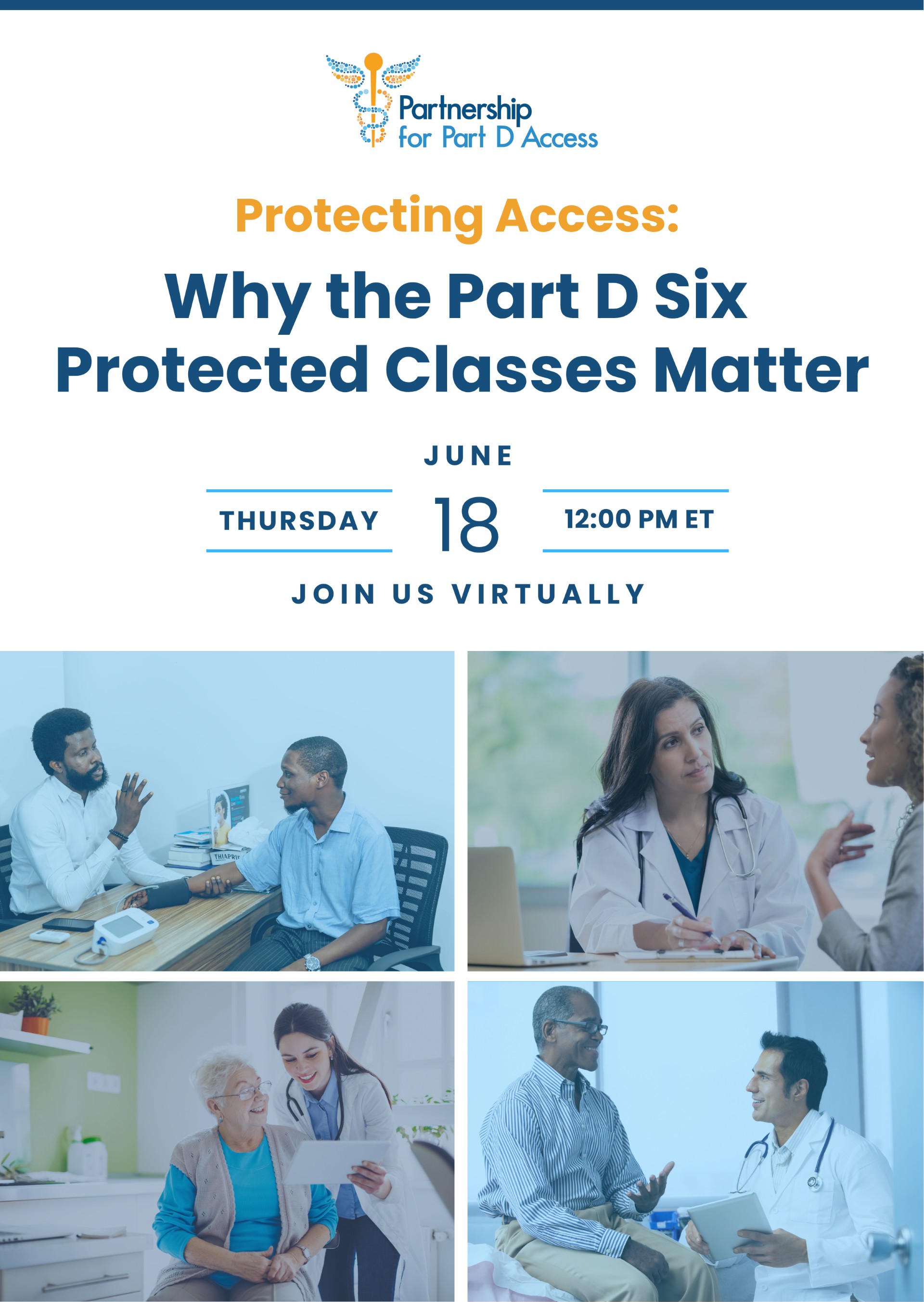
Virtual Policy Briefing on June 18 - Protecting Access: Why the Part D Six Protected Classes Matter
Join the Partnership for Part D Access for a virtual congressional briefing on June 18 at 12:00 pm ET to discuss the history and importance of the six protected classes policy, as well as the risks posed by restricting access to critical, lifesaving medications through formulary limitations and utilization management practices. The event will feature a multi-stakeholder panel representing patient, provider, and advocacy perspectives.
Mental Health First Aid: July 16
Get certified in Mental Health First Aid! The next course is on July 16 and is completely free to attend, courtesy of the AAPP Foundation. Seats are filling up! Save your spot today.
Board-Certified Psychiatric Pharmacists and Their Potential Role in Addressing Behavioral Health Workforce Shortages
See how board-certified psychiatric pharmacists are well positioned to manage medications for people with mental health conditions to address psychiatric workforce shortages. Regulatory changes can expand their impact on patient care.
BCPP Exam Prep: Psychiatric Pharmacy Specialty Mock Exam
The mock exam is composed of 150 questions based on the content domains and knowledge statements included in the BPS content outline. Register today and practice, practice, practice!

Developing Effective Test-Taking Skills
Exams can be daunting. Let us help! Register for the Developing Effective Test-Taking Skills webinar to sharpen your skills. #BCPP #examprep #psychpharmacy #AAPP
AAPP Pharmacist Toolkit: Methamphetamine Use Disorder
AAPP’s resource document on Methamphetamine Use Disorder provides information on screening, diagnosis, intoxication, withdrawal, treatment, co-occurring psychiatric disorders, special populations, and harm reduction strategies.

VA Launches MDMA Clinical Trial To Measure Effects On PTSD, Mental Health
The Department of Veterans Affairs (VA) on Tuesday announced a new clinical trial of methylenedioxymethamphetamine-assisted therapy, more commonly known as MDMA, to evaluate the safety and efficacy when treating current and former military personnel for severe mental health disorders including posttraumatic stress disorder (PTSD) and alcohol use disorder. The latest announcement comes on the heels of a strong federal government-wide push across multiple branches to study and, ultimately, lawfully recognize different modalities like MDMA, psilocybin, LSD and ibogaine. Legislation has been crafted on bipartisan levels in both the U.S. House and Senate to accelerate the pace for which the VA, Food & Drug Administration (FDA) and the Department of Health and Human Services (HHS) can collectively give the green light for more widespread use in controlled settings.

Medicaid Enrollment for Children Falls Ahead of H.R.1 Implementation
Recent data shows that roughly 1.75 million fewer children were enrolled in Medicaid in January 2026 compared to the same time last year. Several factors contributed to the decrease, including confusion around new work requirements enacted in H.R.1 and administrative barriers like premium non-payment in some states. The uninsured rate for children started to increase following the pandemic, when states resumed Medicaid eligibility checks following an extended pause.
OMB Releases New Guidance on Federal Grants
On Thursday, May 28, the Office of Management and Budget (OMB) announced significant pending changes to the Uniform Guidance (2 C.F.R. Part 200), which governs administrative requirements, cost principles, and audit standards for federal awards, along with related agency-specific adoptions and deviations.
Podcast Highlights AAPP Annual Meeting 2026 Take-Aways
AAPP partnered with Pharmacy Times to record a Pharmacy Focus podcast focused on emerging trends in psychiatric pharmacotherapy as presented at AAPP 2026, held April 19-22 in WA. Moderator Bob Haight, PharmD, BCPP, AAPP Annual Meeting Director and Past President, Clinical Application Series Chair Archana Jhawar, PharmD, BCPP, and Chelsea Di Polito, PharmD, BCPP, Annual Meeting Chair, shared insights gained on newer psychiatric medications and how these newer therapies fit into clinical decision-making, especially given considerations like cost, monitoring requirements, and patient-specific factors. The episode also explores cutting-edge research and practice challenges, including the growing interest in GLP-1 receptor agonists for substance use disorders, evolving strategies for clozapine monitoring following REMS changes, and advancements in long-acting injectable antipsychotics that improve flexibility, adherence, and patient-centered care. Tune in to hear the major takeaways and to see how AAPP’s Annual Meeting provides a valuable forum for translating emerging evidence into practical strategies that can be immediately applied in clinical practice.

House Ways and Means Committee Advances H.R. 3164, the Main Street Pharmacy Access Act (formerly Ensuring Community Access to Pharmacist Services Act)
On May 21, the House Ways and Means Committee held a markup to advance several pieces of healthcare legislation to the full House of Representatives, including H.R. 3164, the Main Street Pharmacy Access Act (formerly Ensuring Community Access to Pharmacist Services Act). The bill specifically provides for Medicare Part B coverage of pharmacist-administered tests for four respiratory illnesses: influenza, respiratory syncytial virus (RSV), strep throat, and COVID-19. It would also allow pharmacists to prescribe treatments for these illnesses when properly indicated.
Recovery Research Institute Webinar July 8: Integrating Overdose Prevention and Opioid Use Disorder Treatment in Pediatric Primary Care
This session reviews practical, evidence-based approaches for bringing overdose prevention and opioid use disorder (OUD) treatment into pediatric primary care. It will cover screening and risk assessment, brief counseling to reduce the consequences of drug use, naloxone distribution, and pathways for initiating and managing medications for OUD (including buprenorphine).

Member News: June 2026
Michelle Geier, PharmD, BCPP, FAAPP, recently completed a Master's in Public Health degree at the University of Florida.
Farah Khorassani, PharmD, BCPP, FAAPP, was featured in an article explaining her vital role on the care team and as a mentor.
Jolene Bostwick, PharmD, BCPS, BCPP, was promoted to Associate Dean for Student Affairs at the University of Michigan College of Pharmacy.
Is There an App For That? | On-Demand Webinar
Stream this expert-led discussion on the expanding role of digital therapeutics in treating mental health conditions. Watch the recording and stay ahead in this fast-evolving field! Visit the course page to watch the webinar or learn more and register.
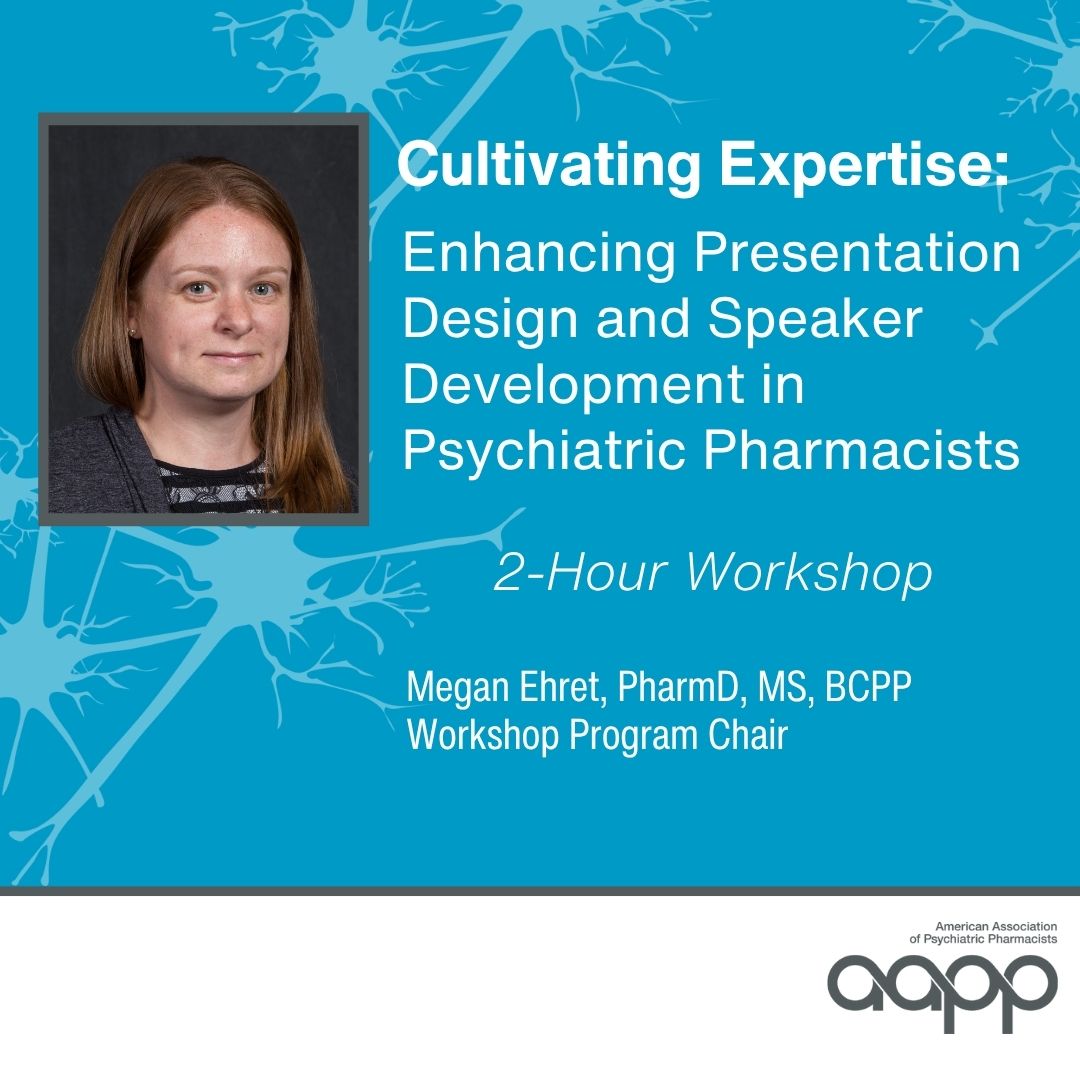
Home Study Workshop! Presentation Design and Speaker Development
Through expert guidance, participants will refine their presentation skills and learn how to captivate audiences. This 2-hour program with ACPE credit provides a unique opportunity to gain practical tools to elevate speaking abilities, enhance your expertise and confidence, and make you a standout voice in the field of psychiatric pharmacy. Don't miss this opportunity to learn!

FDA Approves Neuromodulation Device To Treat PTSD Symptoms
The FDA granted de novo approval for a neuromodulation device to treat symptoms associated with post-traumatic stress disorder (PTSD). The wearable, non-invasive device -- dubbed Modius Spero -- uses electrical vestibular system stimulation to target specific brain areas. It is prescribed and overseen by a healthcare professional as part of a comprehensive PTSD care plan.
PCSS-MOUD Clinical Roundtable June 4: SBIRT for Substance Use Disorders in Primary Care Settings
This webinar will detail the benefits of SBIRT, the appropriate screening tools to use and how to use these to facilitate change-focused conversations.
“It was good because they have a relationship with us”: A qualitative study on low-threshold buprenorphine treatment at syringe services programs
The SSP-based model provided rapid access to buprenorphine prescriptions, but precipitated withdrawal was a common complication.
Characterizing public comments via Regulations.gov in response to proposed cannabis rescheduling in the United States
Public sentiment on Regulations.gov supports the United States Drug Enforcement Administration's proposal for cannabis rescheduling, though the majority views the proposed Schedule III classification as inadequate and supports further rescheduling or complete de-scheduling of cannabis.
Opioid-Related Medication Access for Adolescents Who Test Positive for Fentanyl
This study offers novel data on opioid-related medication access for adolescents with illicit fentanyl exposure.
How Is Food Addiction Addressed at U.S. Substance Use Disorder Treatment Facilities? Perspectives of Service Providers
Formalizing FA assessment and diagnosis, and improving reimbursement mechanisms, may reduce potential health inequities between market-driven and publicly funded SUD treatment centers in FA treatment and referral resources.
Care trajectories among people with opioid use disorder after release from New York City jails: A state sequence analysis approach
This study's findings suggest that provision of in-jail MOUD could improve methadone uptake in the community.
Beyond Attendance: Social Anxiety and Psychiatric Concerns Predict Mutual-Help Group Involvement in a U.S. National Longitudinal Survey
Social anxiety and psychiatric concerns are salient barriers to attending a variety of MHG groups and to MHG involvement.
Low-Dose Buprenorphine Following Ketamine Treatment for Suicidal Ideation in Major Depressive Disorder: A Randomized, Double-Blind, Placebo-Controlled Trial
This randomized controlled trial provides the first evidence that a pharmacological intervention, buprenorphine, significantly sustains and enhances the antisuicidal effects of ketamine in MDD.
A review of the relationship between dimensions of alcohol consumption and the burden of disease: 2026 update including Mendelian randomisation studies
This review aimed to update current knowledge on causality and risk relationships to inform global and national comparative risk assessments for alcohol.
What I Wish I Knew - The Role of Psychiatric Pharmacists in the Diagnostic Process
Dr. Austin Smith, PharmD, BCPP discusses the role of Psychiatric Pharmacists in the diagnostic process.

Free Workshop: Elevate Your Speaking Skills!
AAPP and the AAPP Foundation are pleased to be offering a complimentary, 2-hour workshop: Cultivating Expertise: Enhancing Presentation Design and Speaker Development in Psychiatric Pharmacists. Earn ACPE credit and make yourself a standout voice in the field of psychiatric pharmacy!

New Career Center for Psychiatric Pharmacists
Whether you’re actively seeking to fill a position, job searching yourself, or simply keeping an eye on new opportunities, AAPP’s new Career Center helps psychiatric pharmacists explore jobs, upload a resume, save positions, and compare cost of living across cities. #PsychPharm #Jobs

BCPP Exam Prep: Developing Effective Test-Taking Skills
This 2-hour webinar focuses on developing appropriate techniques for answering standardized questions more accurately, identifying common issues in testing that may be hurting your performance, and analyzing your testing performance to improve accuracy, pacing, and endurance. Level up your test-taking skills!
Navigating the Peer Review Process: A Guide for New Reviewers
Improve your peer review skills! Discover the components to evaluate, the role of the peer reviewer, the skills necessary to critically evaluate a manuscript, and how to provide feedback to authors and journal editors.
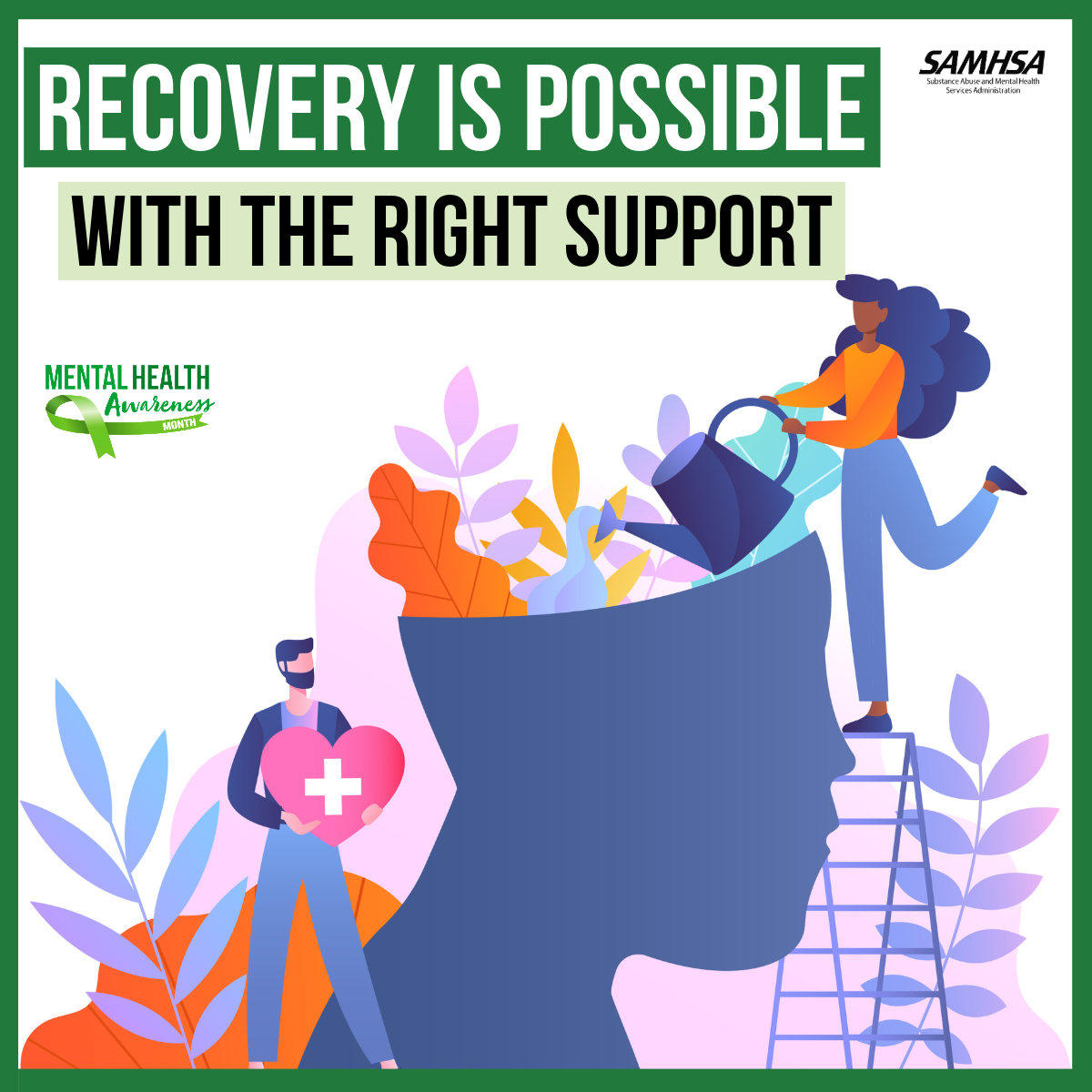
Recovery is possible
Someone you love may face both a mental condition and a substance use challenge. They deserve steady support, starting with you. When more is needed, help is available 24/7. Call or text 988 anywhere in the U.S. Learn more: 988lifeline.org #MHAM2026 #SeeThePerson

Forensic Psychiatry
Mental illness and substance use disorders are common in correctional populations. Watch this video to learn about a psychiatric pharmacist's role in correctional healthcare.
Join the 2026 AAPP Outcomes Research Grants Q&A Session!
The 2026 AAPP Outcomes Research Grants provide $15,000 each to support retrospective studies on bipolar, clozapine, and MOUD. Mark your calendar for the Q&A session June 30, 2026! Get your questions answered and learn how to advance your research. #PsychPharm
AAPP Pharmacist Toolkit: Agitation and Aggression in Practice
This toolkit provides a resource for recognizing, understanding, and managing episodes of agitation and forms of aggression encountered in clinical practice.
Addressing Misinformation Regarding Antidepressants and Violence
AAPP's newest policy brief addresses misinformation about the association between antidepressants and violence, emphasizing the safety and benefits of antidepressants for treating various mental health disorders.
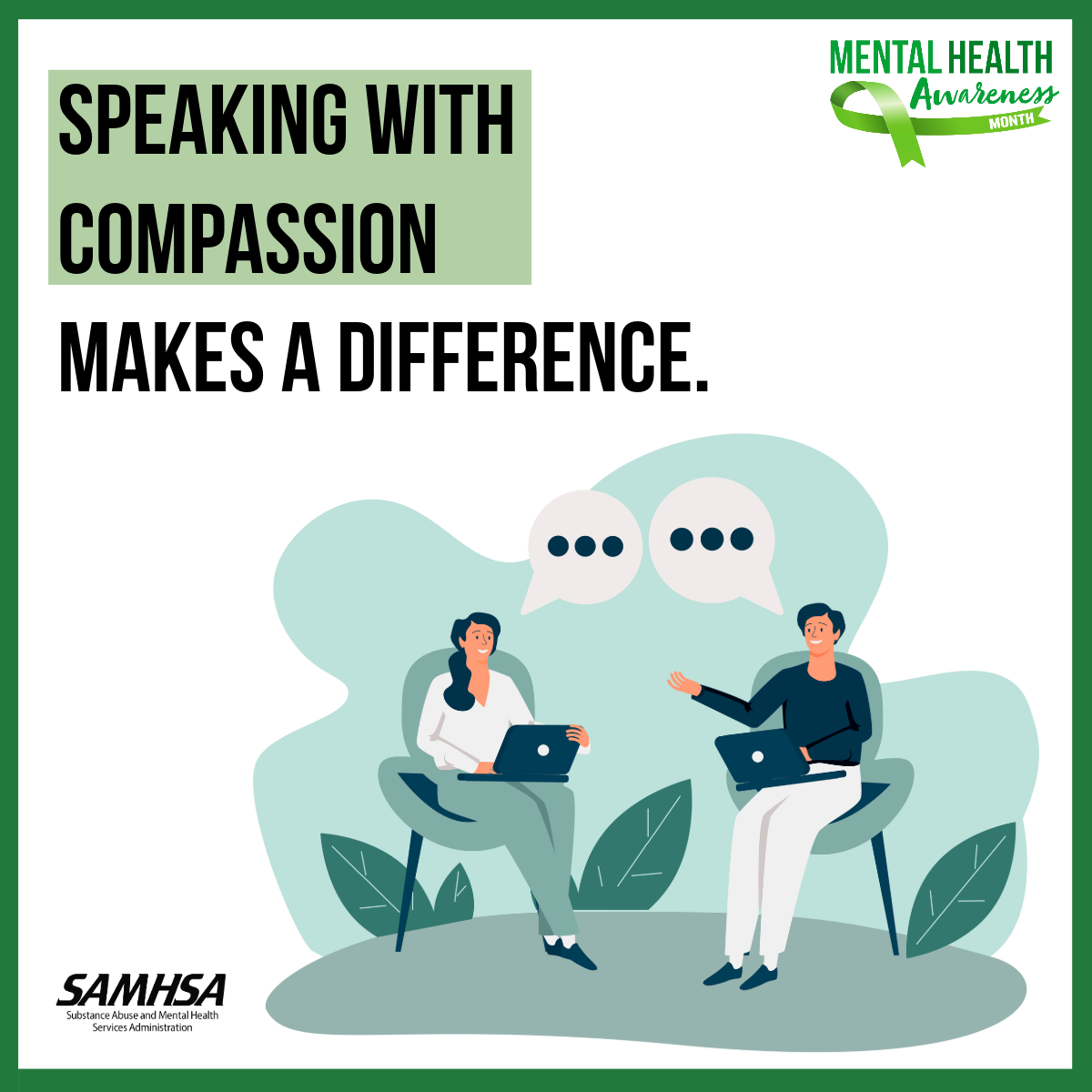
Speaking with Compassion
Respectful communication about mental health is especially important during times of transition, including housing instability or reentry into the community. Compassionate words signal safety when people need it most. #MHAM2026 #MentalHealthAwarenessMonth
State of the Union 2026: State-Level Updates and National Trends in Pharmacist Payment Reform
This article highlights state-level progress toward pharmacist reimbursement since the 2024 manuscript on this topic. A special thanks to the many AAPP members who assisted in the research and authorship of this manuscript which highlights expansion of pharmacist test-and-treat authority, new commercial coverage mandates, explicit Medicaid provider enrollment and reimbursement structures, and broadened scope-of-practice provisions tied to payment. Collectively, these developments reinforce the emergent bottom-up trajectory of pharmacist reimbursement reform and highlight the steady, incremental strengthening of pharmacist integration within state health systems.
National Council Podcast: The State of Mental Wellbeing
In this episode of The State of Mental Wellbeing: A Podcast on Mental Health & Substance Use, host Mohini Venkatesh talks with National Council President and CEO Chuck Ingoglia and Reyna Taylor about the federal mental health and substance use policy environment. Together, they explore federal funding, workforce challenges, Medicaid implementation and advocacy opportunities.
Opioid Response Network Free Webinar: Update on the Diversification of Kratom-Derived Products
This talk will provide a background on traditional kratom and an overview of the recent proliferation of novel, kratom-derived products. Industry marketing, confused media coverage, and dynamic government policy will be described, as all influence public health responses.
Cross-System Collaboration to Support Children and Youth With Behavioral Health Needs and Their Families
This paper introduces behavioral health, Medicaid, and public health agency leaders, administrators, managers, and policymakers to selected public child- and family-serving systems.
Children Exposed To Prenatal Antidepressants Had An Increased Risk Of Autism Or ADHD That Was Not Significant After Adjusting For Confounding Factors, Research Shows
MedPage Today (5/14, George) reports, “Children exposed to prenatal antidepressants had an increased risk of autism or attention deficit-hyperactivity disorder (ADHD) that was not significant after adjusting for confounding factors, a systematic review and meta-analysis showed.” Investigators found that “overall, prenatal antidepressant use was associated with a modestly increased risk of neurodevelopmental disorders in offspring (relative risk [RR] 1.13, 95% CI 1.0
Maternal and paternal antidepressant use before and during pregnancy and offspring risk of neurodevelopmental disorders: a systematic review and meta-analysis
This systematic review and meta-analysis indicated a small association between antidepressants and ADHD or ASD.
Pharmacists at the Center of Deprescribing: New Codes, New Opportunities
CMS has formally acknowledged and encouraged the involvement of clinical pharmacists in medication management and deprescribing activities through team-based care models. In newly released billing guidance tied to Deprescribing Services Codes, CMS confirmed that pharmacists can contribute billable time through “incident-to” services provided under physician or non-physician practitioner collaborations. The announcement arrives as Secretary Kennedy undertakes efforts aimed at reducing unnecessary prescribing. For pharmacists already embedded in collaborative care models, this development represents more than billing clarification and signals a growing recognition of the pharmacist’s expanding clinical role in optimizing medication therapy. However, CMS has historically limited the codes pharmacists can bill incident-to physicians and non-physician practitioners, prohibiting service delivery for many patients. As such, AAPP has been collaborating with APhA and ASHP to fix the larger issue to allow pharmacists to submit codes through incident to mechanisms that reflect the complexity of care pharmacists are providing. More recently, we requested an audience with CMS to discuss this latest development in billing opportunities for pharmacists.

Psychiatric Pharmacy Specialty Mock Exam for BCPP Candidates
Studying for the BCPP exam? Test your knowledge with our 150-question mock exam! #psychpharmacy #BCPP #AAPP #BPS #boardcertification
Addressing Misinformation Regarding Antidepressants and Violence
AAPP's most recent policy statement and brief seeks to dispel misinformation misinformation about the association between antidepressants and violence, emphasizing the safety and benefits of antidepressants for treating various mental health disorders in youth and adults. Please join AAPP in using this brief in your own advocacy as we work together to lead with the evidence.
Behavior Health Agency to Take Down Opioid Treatment Provider List
SAMHSA plans to remove its online tool for locating public access to providers that prescribe buprenorphine for OUD and pharmacists that dispense the drug on June 1. The agency indicates it plans to work with other federal agencies and partners to develop a new locator to assist individuals in need of services to find practitioners in their community but offered no timeline.
Microcosting the optimization of PrEP implementation among sexual and gender minority individuals with a substance use disorder
This study provides key insights into the resource/cost requirements for implementing and sustaining each A.S.K.-PrEP strategy.
Frequent police contact and nonfatal overdose among people who use drugs in rural Appalachia
Police stop-and-search was associated with elevated subsequent overdose risk among PWUD.
Impact of Cannabis Edibles Combined With Alcohol on Driving, Field Sobriety Performance, and Subjective Effects
In this trial of healthy adults who co-used cannabis and alcohol, cannabis edibles combined with alcohol augmented driving impairment.
Evaluating the potential risk of ketamine-induced hepatotoxicity in the treatment of mood and anxiety disorders: A systematic review
This review identified that ketamine treatment was associated with instances of elevated liver enzymes.
Initiation of Medications for Alcohol Use Disorder Among Hospitalized Veterans: A Retrospective Cohort Study
These data indicate a need to identify and disseminate successful hospital-based strategies to increase prescribing of MAUD.
Transitions from first drug use to illicit opioid and injection drug use in a multisite rural U.S. cohort of people who use drugs
This study calculated frequencies and measures of central tendency.
Access to Medications for Opioid Use Disorder Among Veterans With Homeless Experience in Permanent Supportive Housing
These results suggest that MOUD access in supportive housing should be expanding, which could require embedding addiction care into PSH teams, leveraging behavioral health touchpoints, and addressing persistent disparities.
PCSS-MOUD Podcast Series - Meeting People Where They’re At: Pharmacist-Led Innovations in Substance Use Care
This episode examines how pharmacy-based models are closing gaps in addiction care deserts, how pharmacists can strengthen interdisciplinary care teams, and why fair reimbursement for pharmacist services matters for sustaining care in the communities hit hardest by overdose.
Can AI Say “I Don’t Know”?
Clinicians are rightly expected to disclose their gaps in knowledge or their inability to forecast an outcome. Yet emerging AI tools often cannot, or will not, do the same.
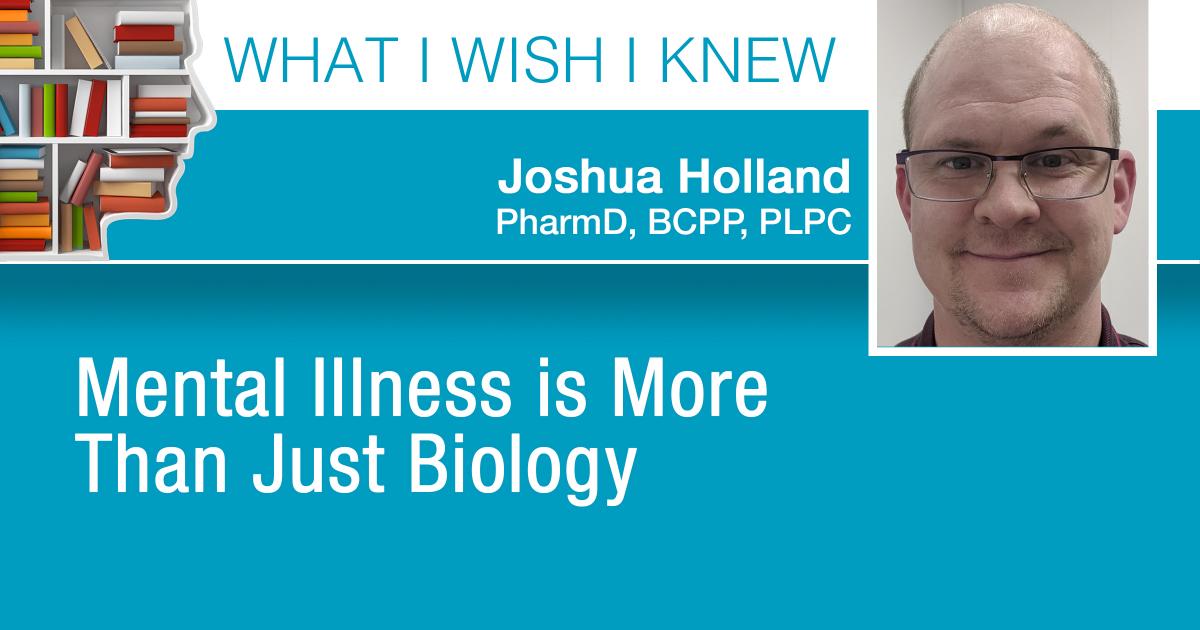
What I Wish I Knew: Mental Illness is More Than Just Biology
Dr. Joshua Holland, PharmD, BCPP, PLPC, talks about how psychotherapy techniques have advanced and can provide healing and help people meet their psychological needs.
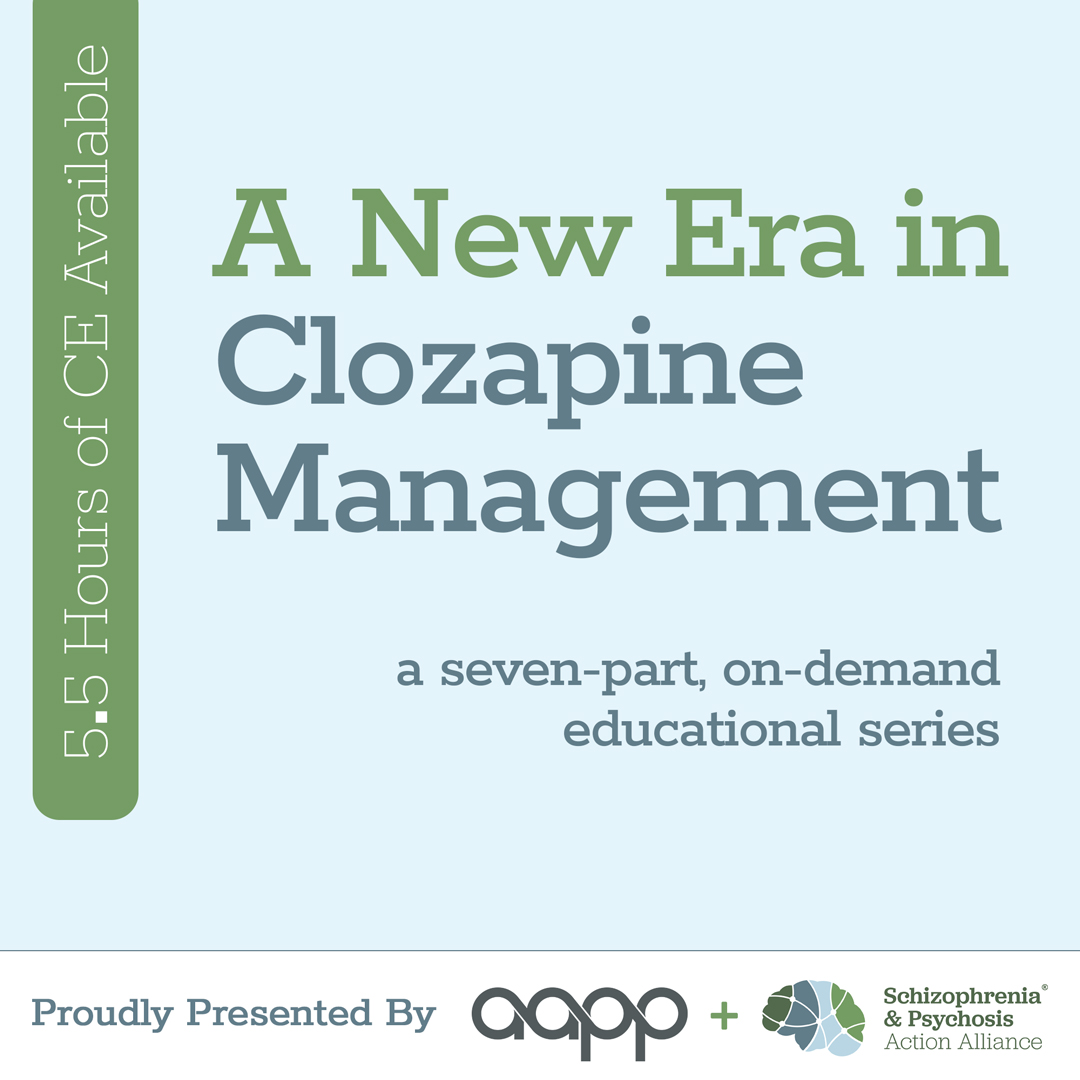
Complimentary Clozapine Education Series
Earn up to 5.5 ACPE contact hours during this on-demand, seven-part educational series! Webinars are immediately accessible. Register and start today!
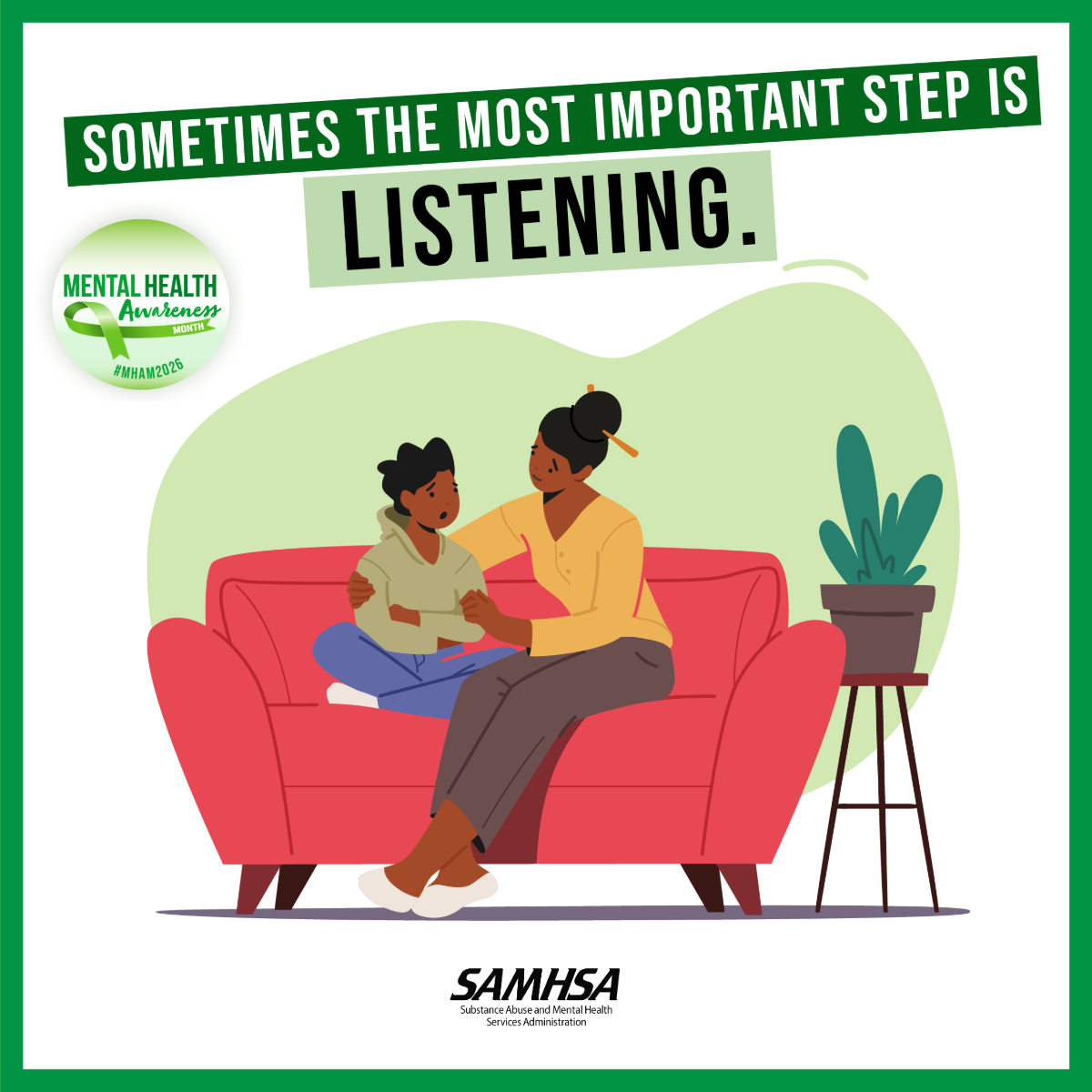
Patients and Caregivers
Parents and caregivers are often the first to notice when something feels different. Changes in mood, sleep, appetite or behavior may signal a young person needs support. #MentalHealthAwarenessMonth #SeeThePerson

Brochures and Fact Sheets
The National Institute of Mental Health is an excellent resource for broshures and fact sheets on mental health disorders for patients, caregivers, and healthcare professionals. Printed materials can even be ordered free of charge!
AAPP Joins Coalition Comments on Flavored E-Cigarette Draft Guidance
The FDA has issued draft guidance on marketing applications for flavored e-cigarettes. This guidance opens the door for the FDA to authorize more flavored products, including flavors like mint, that have historically been widely used by youth.
Antidepressant use among American adults in a 50-state survey
Findings from this study suggest that restrictive policies on antidepressant prescribing are unlikely to align with public sentiment and may risk exacerbating existing inequities in care.
Psychiatric Pharmacy Specialty Mock Exam for BCPP Candidates
Practice, practice, practice! The 150-question mock exam lets you test your knowledge, pacing, and endurance before sitting for the BCPP certification exam. #BCPP #AAPP #examprep #psychpharmacy
AAPP Pharmacist Toolkit: Xylazine
AAPP's pharmacist toolkit on Xylazine is intended to highlight both the evidence base available as well as strategies of clinical decision making used by expert clinicians.
The Trevor Project has published their 2025 U.S. National Survey on the Mental Health of LGBTQ+ Young People
LGBTQ+ young people who reported living in very accepting communities attempted suicide at less than a third of the rate of those who did not.
Symptom-Based Dosing for Neonatal Opioid Withdrawal
Symptom-based dosing decreased time to medical readiness for discharge compared with a scheduled opioid taper approach among infants cared for with ESC.
AAPP Responds to MAHA Action Plan to Curb Psychiatric Overprescribing
The U.S. Department of Health and Human Services (HHS) recently announced efforts to curb psychiatric overprescribing at a MAHA Institute summit on mental health and overmedicalization. Per the press release, “HHS agencies are bringing together their collective expertise and aligning to evaluate prescription patterns for psychiatric medications, their benefits and potential harms, and elevate the role of nonmedication treatments and scalable, evidence-based solutions to improve mental health.” Read on to learn more about AAPP actions.
Incident mental disorders following cancer: analysis of real-world psychiatric outcomes in a nationwide population-based cohort study in Denmark across three decades
The incidence and risk elevation of incident mental disorders in cancer patients vary based on sex, cancer type, time since diagnosis and type of mental disorder.
Treatment of Anxiety for Adults in Primary Care Settings
Referring patients to behavioral health specialists for CBT and/or prescribing recommended pharmacotherapy with Collaborative Care Management can help to reduce patient morbidity and improve functioning.
Methadone Diversion and Overdose: What Does the Evidence Say? A Narrative Review
The link between specialty-care-only policies and lower diversion and overdose risk is not supported by the reviewed literature.
Initiation of Medications for Alcohol Use Disorder Among Hospitalized Veterans: A Retrospective Cohort Study
These data indicate a need to identify and disseminate successful hospital-based strategies to increase prescribing of MAUD.
Actigraphy-based sleep outcomes in substance use disorders: A systematic review and meta-analysis
Actigraphy appears to be a feasible objective tool for sleep assessment in SUDs, though additional studies across diverse substances are needed.
“Smart” harm reduction vending machines to improve public health: Evaluating the utilization
Interactive sVMs can effectively dispense HR items and connect individuals to services, thereby having the potential to improve individual and public health. Contextual factors, such as location, may influence utilization.
Patient-reported outcomes for monitoring substance use treatment: A systematic review of single-item measures
Single-item patient-reported outcome measures are pragmatic tools for implementing measurement-based care in substance use treatment.
Opioid use disorder and medication for opioid use disorder among pregnant women with commercial insurance in the United States, 2016–2020
These results demonstrate substantial missed opportunities for MOUD treatment during pregnancy, highlighting the need for targeted interventions to improve evidence-based perinatal OUD care.
Cascade of Care for Opioid Use Disorder Among Medicaid Beneficiaries
This cross-sectional study found a substantial increase in the percentage of individuals with OUD who received MOUD among almost all states.
Medicaid Managed Care Plan Alignment With State Substance Use Disorder Treatment Coverage Requirements
Medicaid managed care plans located in Republican-leaning states were less likely to be subject to state requirements governing coverage and prior authorization of SUD treatment medications, with the exception of methadone, and were also less likely to align with requirements when imposed by states.
New! NAMI Family Caregiver HelpLine
The NAMI Family Caregiver HelpLine offers free, confidential support for people caring for loved ones living with mental illness. Every call is free, confidential, and reaches a trained volunteer who has cared for a loved one with mental illness themselves. Please share this broadly with your patients and their caregivers.
Advisory: Promoting Integrated Physical and Behavioral Health Care for Older Adults
This SAMHSA advisory outlines evidence-based strategies to integrate physical and behavioral health services, improving outcomes, reducing costs, and enhancing quality of life.
Clinical Drug Testing Dashboard
The Centers for Disease Control and Prevention has launched the Clinical Drug Test Dashboard in partnership with Millenium Health. Designed to strengthen the nation’s response to the overdose crisis, the Clinical Drug Test Dashboard is an interactive tool that provides timely national and regional insights on fentanyl, heroin, cocaine and methamphetamine trends based on clinical urine drug test data. Data will be updated quarterly.
What to Know About Orphines, a New Class of Deadly Opioids
Orphines are 10 times more dangerous than fentanyl and are showing up in street drugs within the US.
Once-weekly semaglutide versus placebo in patients with alcohol use disorder and comorbid obesity: a randomised, double-blind, placebo-controlled trial
This study evaluated the efficacy of semaglutide once-weekly in treatment-seeking patients with alcohol use disorder and comorbid obesity.
SAMHSA Resource - Community-Initiated Care in Behavioral Health: Exploring Funding Mechanisms for Substance Use Disorders
This report examines how existing CIC programs operate, funding strategies used to sustain their work and offers insights to help strengthen and expand CIC models nationwide.
Ketamine Infusions and Rapid Reduction of Suicidal and Depressive Symptoms in Major Depressive Episode
Findings of this meta-analysis suggest that ketamine may be considered an off-label treatment for those at risk of suicidal behaviors or those not responding to other treatments for depression.
Benzodiazepine or Z-hypnotic use during pregnancy and risk of psychiatric disorders in children: population based cohort study
In this large population based cohort, prenatal exposure to benzodiazepines or Z-hypnotics was not associated with an increased risk of psychiatric disorders in offspring.
Managing mental health medications
AAPP member Farah Khorassani explains her vital role on the care team.
Showcasing Psychiatric Pharmacist Impact: Low Barrier Outreach
AAPP's newest member profile showcases psychiatric pharmacist impact through low barrier outreach showcasing how pharmacists can deliver medications and psychiatric and substance use disorder care to underserved individuals.

Journal Club Recordings Available
If you missed any of the previous Resident Journal Club presentations or would like to revisit a session, recordings are available for you to listen and review at your convenience. Once registered, you can access the recordings, presentations, and article links on the Journal Club page.
FDA Approves 1st Non-Antipsychotic Medication For Agitation In Alzheimer's Disease
The Food and Drug Administration (FDA) approved the drug Auvelity this week for the treatment of agitation in adults with Alzheimer's dementia. The extended-release tablet is the first FDA-approved medication for this condition that is not an antipsychotic.
The Growing Use of Artificial Intelligence in Health Care and Implications for Disparities
While there has been an increase in funding for and use of AI in health care in recent years, public opinion on AI’s role in providing accurate health information remains mixed.
Prenatal exposure to buprenorphine or methadone and adverse neurodevelopmental outcomes: population based cohort study
The findings of this study suggest no increased risk of long term adverse neurodevelopmental outcomes among children with prenatal exposure to buprenorphine versus methadone, further supporting buprenorphine as a safe treatment option for opioid use disorder during pregnancy.
A systematic review and meta-analysis of the association between e-cigarette use and cigarette abstinence or changes in continued cigarette smoking among individuals who smoke cigarettes
Evidence suggests that the use of nicotine-containing e-cigarettes supports cigarette smoking cessation and reduction among individuals who smoke cigarettes regularly.
AAPP Opposes New Restrictions on Fentanyl Test Strips for Harm Reduction
AAPP opposes the SAMHSA policy change to prohibit the use of federal funds for the purchase of “fentanyl test strips or any other substance test kits intended for use by people using drugs.” Test strips are an essential component of overdose prevention interventions. Access AAPP’s Policy Statement “The funding and delivery of harm reduction services” to support your advocacy.
AAPP Opposes New Restrictions on Fentanyl Test Strips for Harm Reduction
AAPP has issued a statement opposing the Substance Abuse and Mental Health Services Administration’s (SAMHSA) policy change to prohibit the use of federal funds for the purchase of “fentanyl test strips or any other substance test kits, including xylazine and medetomidine test strips, intended for use by people using drugs.” Restricting access to this tool risks reversing progress in overdose prevention at a time when synthetic adulterants continue to drive morbidity and mortality. Evidence supports the importance of clinicians, first responders, and individuals having access to test strips as an essential component of overdose prevention interventions. Access AAPP’s Policy Statement “The funding and delivery of harm reduction services” for further information and to support your own advocacy in this area.
Cost-effectiveness analysis of treatment strategies initiating with second-generation antipsychotic long-acting injectables in patients with schizophrenia in the United States
Over a 5-year horizon, the treatment strategy initiating with paliperidone emerged as a favorable LAI option, providing the highest QALY gains at comparable or lower costs than the other LAI-initiating strategies.
Showcasing Psychiatric Pharmacist Impact: Low Barrier Outreach
In our newest member profile showcasing psychiatric pharmacist impact, learn how Dr. Jacky Parizher works as an outreach pharmacist providing low barrier treatment for opioid use disorder.
Understanding Brain–Body Interactions to Advance Brain Health: Proceedings of a Workshop 2026
This new proceedings of a workshop summarizes emerging scientific insights into brain-body communication pathways, and the implications for therapeutic development, public health, and overall well-being.
Nearly 700 Attend Ambassador Funded Program at Rx and Illicit Drug Summit
I was given the amazing opportunity to co-lead a platform presentation with Dr. Alexa Flood at the RX and Illicit Drug Summit (RX Summit) in Nashville. Through the support of the AAPP Ambassador Program, we were able to present to nearly 700 attendees and lead the second-most attended presentation of the conference. With 4 days of programming and 2165 attendees, we are confident that this impressive attendance allowed us to bring great visibility to this important topic and the psychiatric pharmacist's value as a member of the substance use disorder treatment team.
AAPP at Work
During AAPP 2026, we hosted our annual business meeting known as the Forum on our Future. Listen into the recording summarizing AAPP’s major initiatives including:

Emerald City Energy and Exchange: President Reflects on AAPP 2026
Jolene Bostwick, PharmD, BCPP – AAPP President
Coming home from our Annual Meeting 2026 in Seattle, I feel grateful and energized. Each year, this meeting reminds me why AAPP is such a special professional home. We come for the education, but we leave with something equally important: connection, belonging, and renewed commitment to our patients and our profession.
BPS Receives Petition to Recognize Pharmacogenomics as a Specialty Certification
BPS received a petition to recognize Pharmacogenomics as a BPS specialty certification and has opened the public comment period. The comment period will close on June 3, 2026 at 5:00 PM ET.
A population-based study exploring racial and gender inequities in polysubstance-related deaths across the United States from 2004 to 2022
Joinpoint regression was used to examine mortality rates for opioid-only, opioids with a stimulant, opioids with benzodiazepines, among racial/gender groups to measure temporal trends in age-adjusted overdose mortality due to polysubstance-related overdose.
Outpatient Direct Initiation of Injectable Buprenorphine in a Harm Reduction Agency and Primary Care Clinic: A Retrospective Case Series
In this case series, researchers describe outpatient DTI outcomes.
SAMHSA Resource - Refocus and Renew: Moving Towards Health Technical Assistance Papers
This series of papers calls on state leaders to refocus on serious mental illness and serious emotional disturbances treatment and recovery and focuses on providing updated information and guidance on SMI and SED and renewing efforts for systems-level changes.
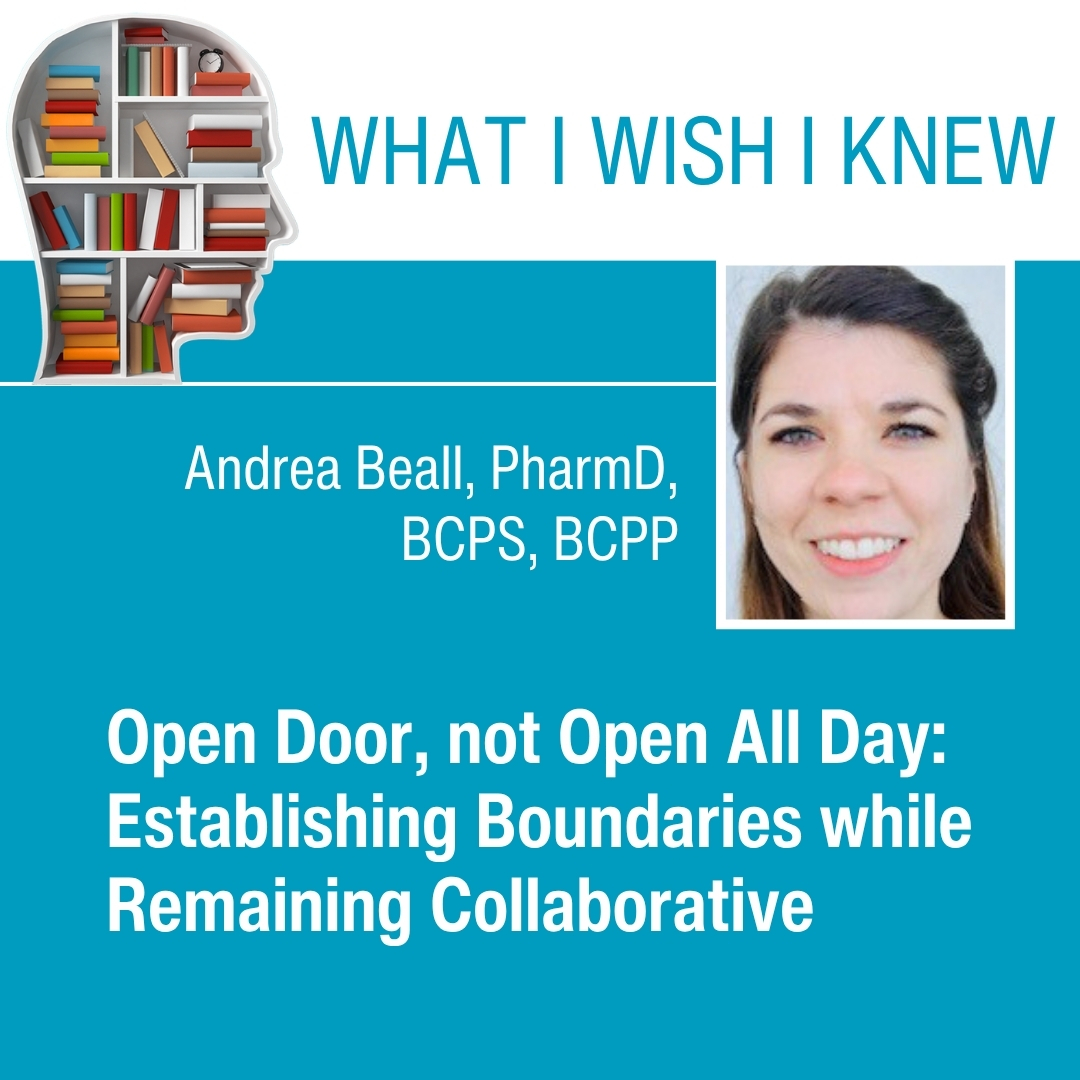
What I Wish I Knew - Open Door, not Open All Day: Establishing Boundaries while Remaining Collaborative
Sometime in your career, you'll have to say no. Read more from Dr. Andrea Beall about how to professionally say "no" while leaving opportunities open for the future.
SAMHSA Resource: Legal Tools Throughout the Behavioral Health Care Continuum
This paper is part of the Technical Assistance Coalition’s Refocus and Renew: Moving Towards Health series—a 10-paper collection guiding state leaders on SMI and SED treatment, recovery, and whole-person health.
Medicaid Expansion and Buprenorphine Dispensing in Early vs Recent Expansion States
In this cross-sectional study using contemporary data and methods, post-2018 Medicaid expansions were associated with substantial increases in buprenorphine treatment, particularly in high-need states operating under newer prescribing regulations.
Behaviors Related to Medical Cannabis Use in Older Adults: A Qualitative Study
A qualitative study of adults aged 65 and older in Southern California found that older medical cannabis users reported frequent and chronic use, widespread self-experimentation due to a lack of clinical guidance, and substitution of cannabis for other medications.
Celebrating each success: proportion of remission as a measure of recovery from polysubstance use disorder proportion of remission; a recovery measure
These results indicate the potential of PrR to capture gradual improvements in quality of life and reflect recovery progress.
To Support People Affected by Substance Use Disorders, Jurisdictions Should Measure Recovery
A survey of U.S. behavioral health agency officials from every state and the District of Columbia.
NIH Summary Examines Growing Evidence for GLP-1 Receptor Agonists in Addiction Treatment
Alcohol and drug addiction can cause many harms. This Research in Context feature looks at research into the causes of addiction and new ways to treat it.
ADHD medication surges for young women
Stimulant use has spiked in the post-pandemic era, particularly among young adult women. The latest data point comes from Trilliant Health, which found a 94% increase in stimulant prescriptions for commercially insured women ages 18-44 between 2018 and 2024.
SAMHSA Updates Guidance on Medication Assisted Treatment/Medication for Opioid Use Disorder
The Substance Abuse and Mental Health Services Administration (SAMHSA) expanded its list of prohibited harm reduction services to exclude drug testing strips in new guidance documents. The updated guidance prohibits test kits that can be used to test for the presence of fentanyl or xylazine in drugs, which were explicitly allowed in a July letter. The new guidance also clarifies that federal funding can’t be used to operate overdose hotlines whose primary purpose is “facilitating illicit drugs use by providing people using drugs a virtual or telephonic companion while they are using drugs.”
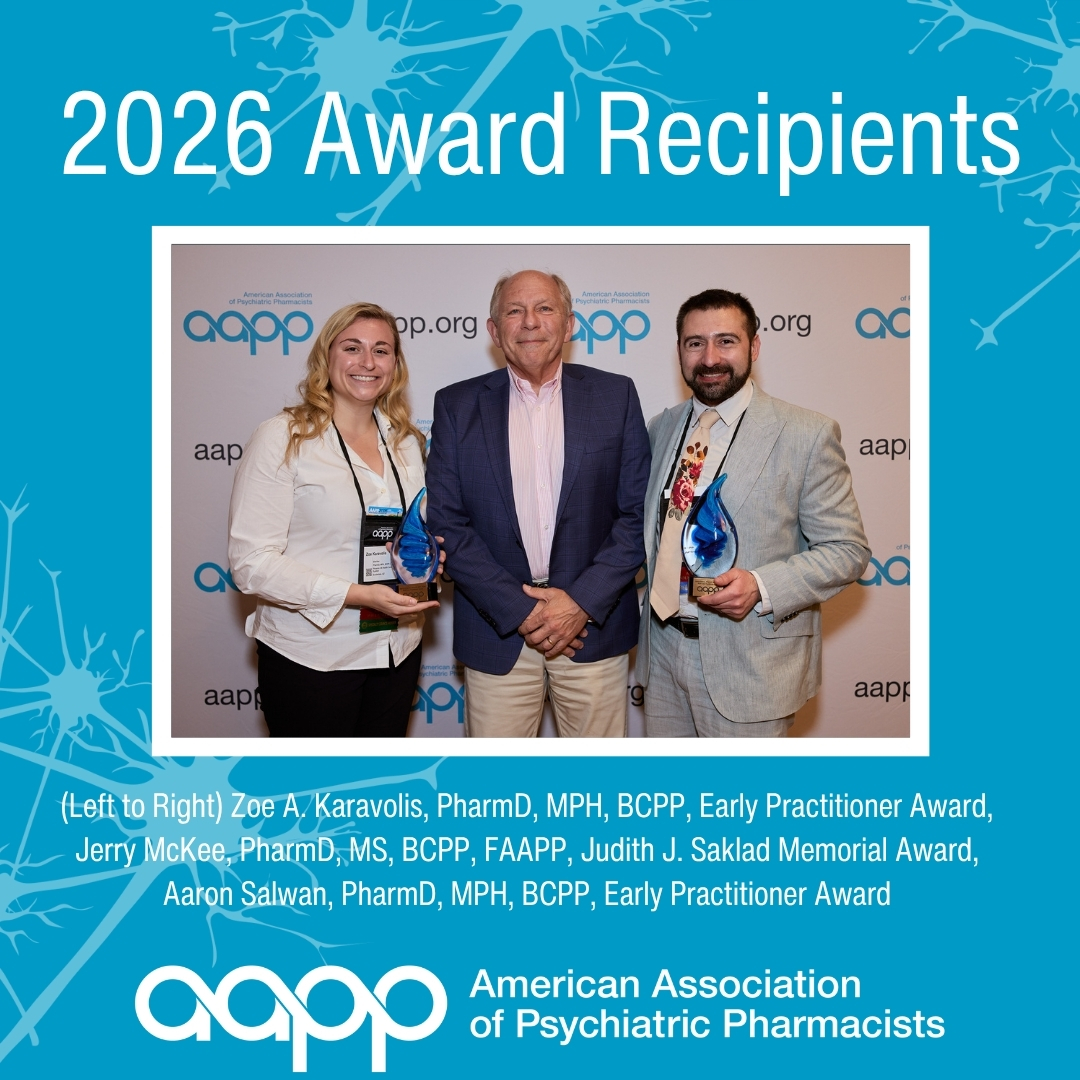
Award Recipients Recognized at AAPP 2026
We were so glad to have the opportunity to recognize our Judith J. Saklad Memorial Award and Early Practitioner Award recipients at #AAPP2026. The next awards cycle starts July 1. Take a look at the available awards and start thinking about who to nominate!
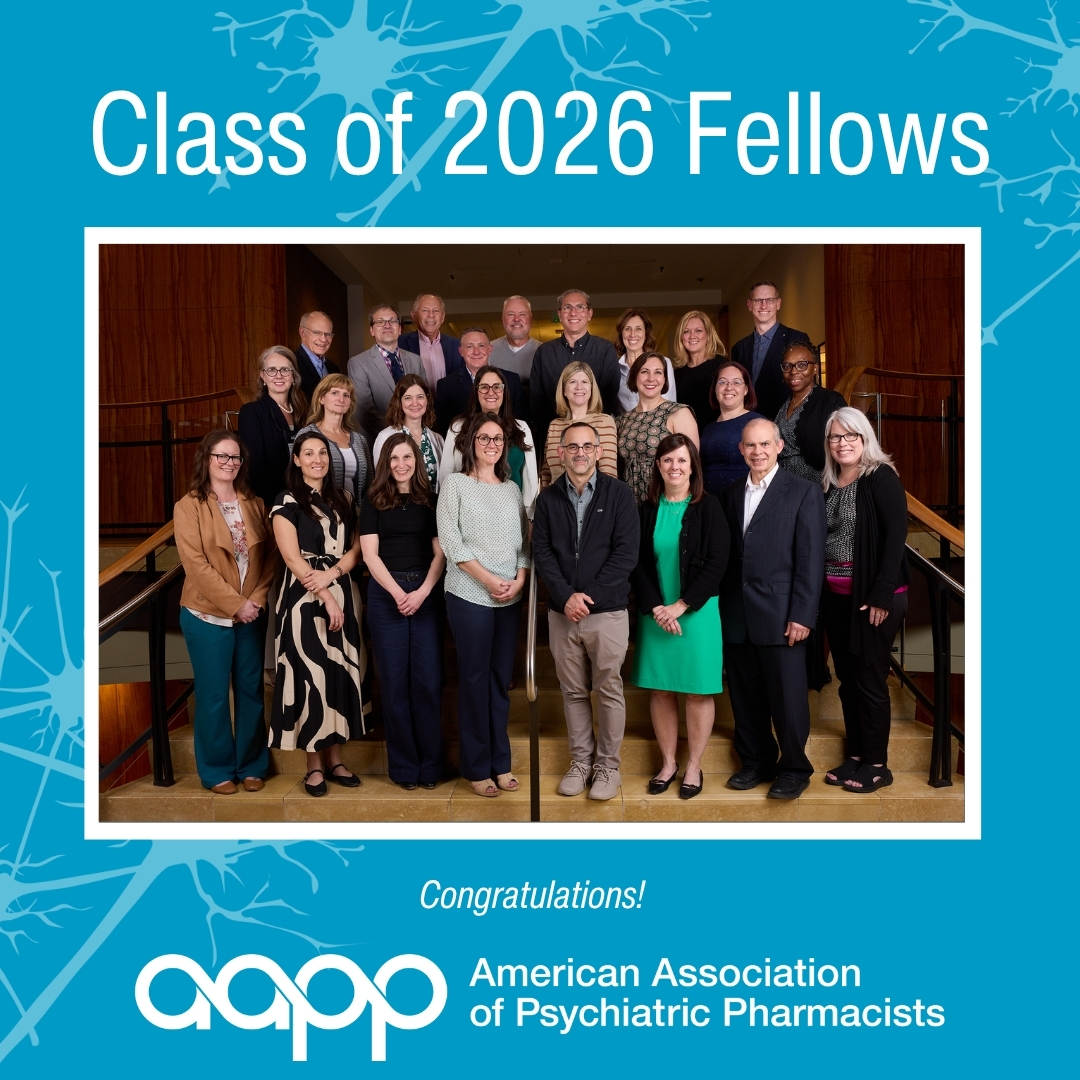
One Final Round of Applause for the AAPP Fellow Class of 2026
It's been just over a week since the 2026 Class of AAPP Fellows was officially installed during #AAPP2026. Let's give this group one more round of applause for an incredible achievement!
Treatment Guidelines
This member resource of treatment guidelines includes anxiety and related disorders, bipolar disorder, depression, medication-induced movement disorders, schizophrenia, seizure disorders, sleep-wake disorders, and substance use disorders.
Substance Use Disorders
Substance use disorders are highly prevalent among patients with mental health conditions. Troy Moore, Pharm.D., M.S., BCPP shares his experience in the management of substance use disorders within the Veterans Health Administration.

AAPP Announces Research Award Recipients Presented at 2026 AAPP Annual Meeting
Abstracts Committee Chair Ijeoma Onyema, PharmD, BCPP, is pleased to recognize the 2026 AAPP Research and Practice Award winners and finalists. Announced April 20th during AAPP’s 29th Annual Meeting, these awards recognize excellence in investigators presenting abstracts at the AAPP Annual Meeting. Award finalists presented platform presentations and displayed their posters during the meeting. Research and Practice Awards are sponsored by the AAPP Foundation.
Award Winners
Innovative Practices Award
Cannabis Reclassification Announcement
On April 22, the Department of Justice announced through a final order that it is reclassifying cannabis as a less-dangerous drug.
CMS Announces Behavioral Health Strategy
This week the Centers for Medicare and Medicaid Services (CMS) announced the agency’s new behavioral health strategy. The strategy is grounded in five key pillars: mental health and wellness, substance use disorder (SUD) treatment, prevention and recovery, pain treatment and management, care efficiencies and special populations.
Trump Administration Issues Executive Order on Psychedelic Research
On April 18, President Trump signed the Accelerating Medical Treatments for Serious Mental Illness executive order (EO) intended to “dramatically accelerate access to new medical research and treatments based on psychedelic drugs,” with an emphasis on ibogaine and psilocybin.
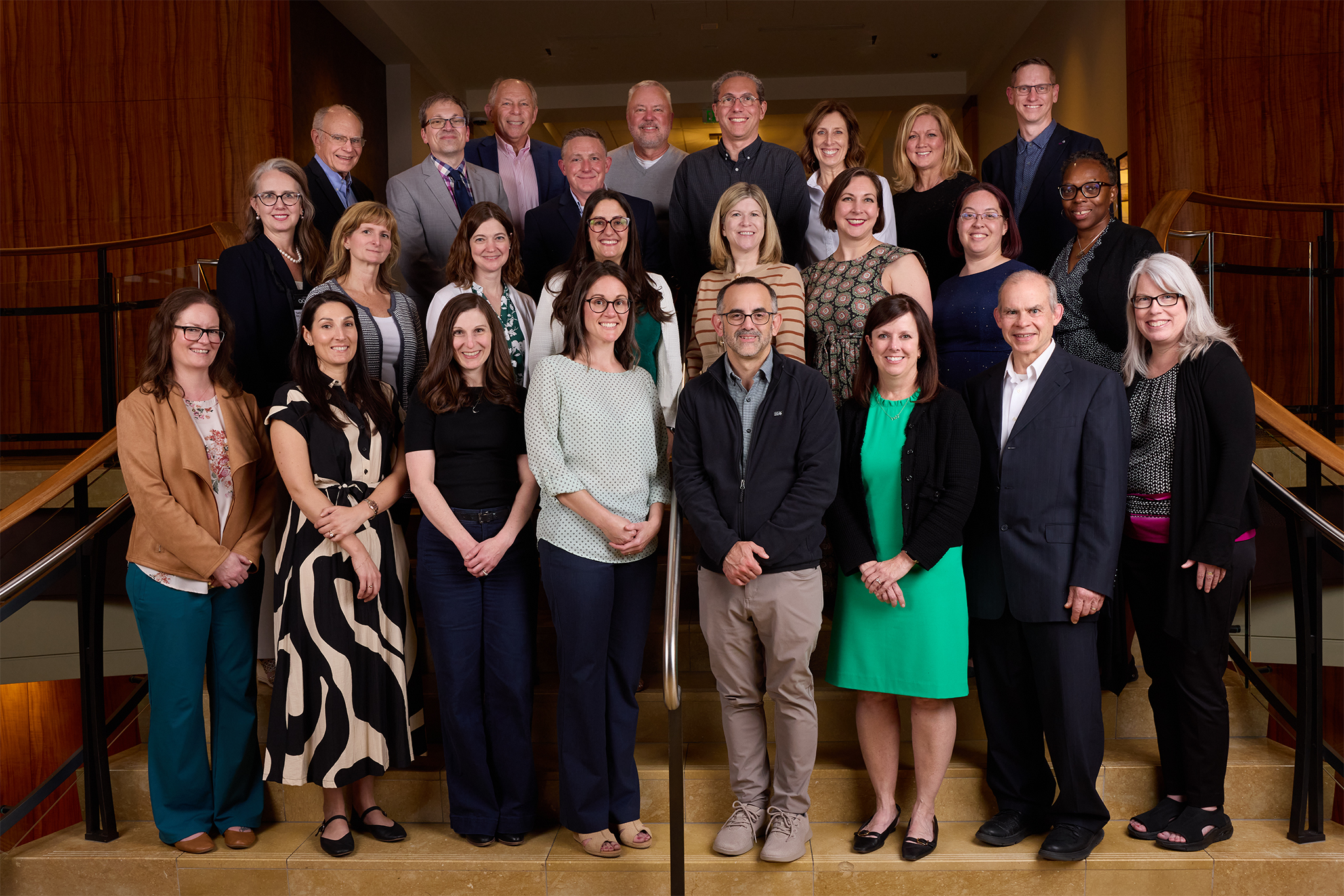
2026 Class of FAAPPs Installed
During AAPP 2026, AAPP inducted thirty members into its second class of AAPP Fellows. The AAPP Fellows Program recognizes members who have demonstrated excellence in advancing the practice of psychiatric pharmacy and have distinguished themselves in advancing the mission and goals of AAPP, thereby promoting public awareness of the profession. After induction, Fellows can be recognized by the initials “FAAPP”.
Congratulations to all Fellows!
A lifeline on wheels: perspectives of stakeholders on the implementation and impact of a mobile medications for opioid use disorder unit
Findings highlight the importance of policy and funding mechanisms to ensure the long-term viability of MHUs.
That’s a Wrap on AAPP 2026 in Seattle
We are fresh off a memorable week in Seattle for AAPP 2026 where we were joined by over 680 attendees plus another 200+ virtually. I’m feeling incredibly grateful to be working alongside members to help shape the future of psychiatric pharmacy. From reconnecting with AAPP founders and past presidents to meeting members and new faces from across the profession, the energy around emerging, pressing topics was energizing and encouraging.

Thanks to Corporate and AAPP 2026 Sponsors
AAPP extends our sincere thanks to the sponsors of AAPP 2026. Your partnership helped make this event possible and supports our ongoing efforts to advance the field of psychiatric pharmacy.
Thirty Inducted into 2026 Class of AAPP Fellows
A certificate award ceremony and dinner at AAPP 2026 provided opportunities to shower attention on the 2026 class of Fellows. The Fellows Program recognizes members who have demonstrated excellence in advancing the practice of psychiatric pharmacy and have distinguished themselves in advancing the mission and goals of the association, thereby promoting public awareness of the profession. After induction, Fellows can be recognized by the initials “FAAPP”.
Congratulations to AAPP Award Winners!
AAPP recognizes psychiatric pharmacists who have made significant contributions to the profession and to our organization and profession. Each winner was recognized during AAPP 2026. Review the press releases to learn more about these accomplishments.
Daily motivation for and perceived accessibility of nondrug reward among people in long-term recovery from opioid use disorder
Person-level characteristics were particularly strong in predicting motivation for and perceived access to daily nondrug rewards.
An international mega-analysis of psychedelic drug effects on brain circuit function
This study conducted a ‘mega-analysis’ integrating 11 independent resting-state functional magnetic resonance imaging datasets across five psychedelic drugs from research groups spanning three continents and five countries.
Comparative effectiveness, safety and acceptability of pharmacological and psychosocial interventions for the treatment of cannabis use disorder: A network meta-analysis
There is some evidence that dialectical behavioral/acceptance and commitment therapies, contingency management alone or with cognitive-behavioral therapy with motivation enhancement, N-acetylcysteine, cannabidiol or varenicline may facilitate abstinence, reduce use and/or support treatment completion for cannabis use disorder.
Internet Addiction and Its Association with Depression, Anxiety and Quality of Life Among School-going Adolescents: A Cross-sectional Study
These findings highlight an increased prevalence of internet addiction among adolescents, which is linked to increased levels of depression, anxiety and a lower quality of life.
Early onset of cannabis use and risk for opioid use disorder across two decades in the United States
Even after accounting for correlated variables, onset of cannabis use during early adolescence is associated with increased likelihood of OUD and riskier forms of opioid use that increase vulnerability to overdose and mortality.
Mirtazapine for Methamphetamine Use Disorder
In this parallel-group randomized clinical trial, mirtazapine delivered in routine clinical practice reduced methamphetamine use in adults with methamphetamine use disorder.
BPS Invites You to Serve as a Psychiatric Pharmacy Exam Item Writer
BPS is requesting applicants to serve as examination item writers for the specialty certification in Psychiatric Pharmacy (BCPP) examination. If selected, your participation will consist of access to virtual training materials, as well as access to a web-based item authoring platform to draft and submit 5-10 exam items according to assigned areas of the examination content outline beginning in late May 2026. Applications are due May 2, 2026.
Methadone Dose and Patient-Directed Discharge in Hospitalized Patients With Opioid Use Disorder
In this study, higher cumulative doses of methadone during the first 48 hours of care were associated with substantial reductions in the incidence of PDD.
AAPP Joins Joint Statement from the Pharmacy Community on Changes to CDC ACIP Charter
AAPP joined ASHP and partnering pharmacy organizations expressing concerns about the recently revised charter for the Centers for Disease Control and Prevention's (CDC) Advisory Committee on Immunization Practices (ACIP). In our joint statement, we offer key considerations to restore patient and healthcare provider confidence that the nation's vaccine recommendation advisory framework is credible, independent, and scientifically grounded.
CMS Rule on Interoperability Standards and Prior Authorizations
The Centers for Medicare and Medicaid Services (CMS) has proposed a new rule aimed at improving prior authorizations and modernizing health data exchanges. The proposed rule would require electronic prior authorization for prescription drugs and expand the use of modern interoperability standards. The rule would also require health plans to disclose reasons for denials and publicly report metrics like approval rates and appeals outcomes.
New SAMHSA Fact Sheet on Screen-Based Media in Schools
SAMHSA has created a new fact sheet that provides resources and guidance to elementary school teachers and staff to help facilitate more balanced use of screen-based media. The fact sheet differentiates between active and passive screen use and promotes solutions like prioritizing the active use of technology and building movement into classroom activities.
Acetaminophen Exposure During Pregnancy and the Risk of Autism in Offspring
This study evaluated the potential association between prenatal acetaminophen exposure and risk of autism using Danish nationwide registers.
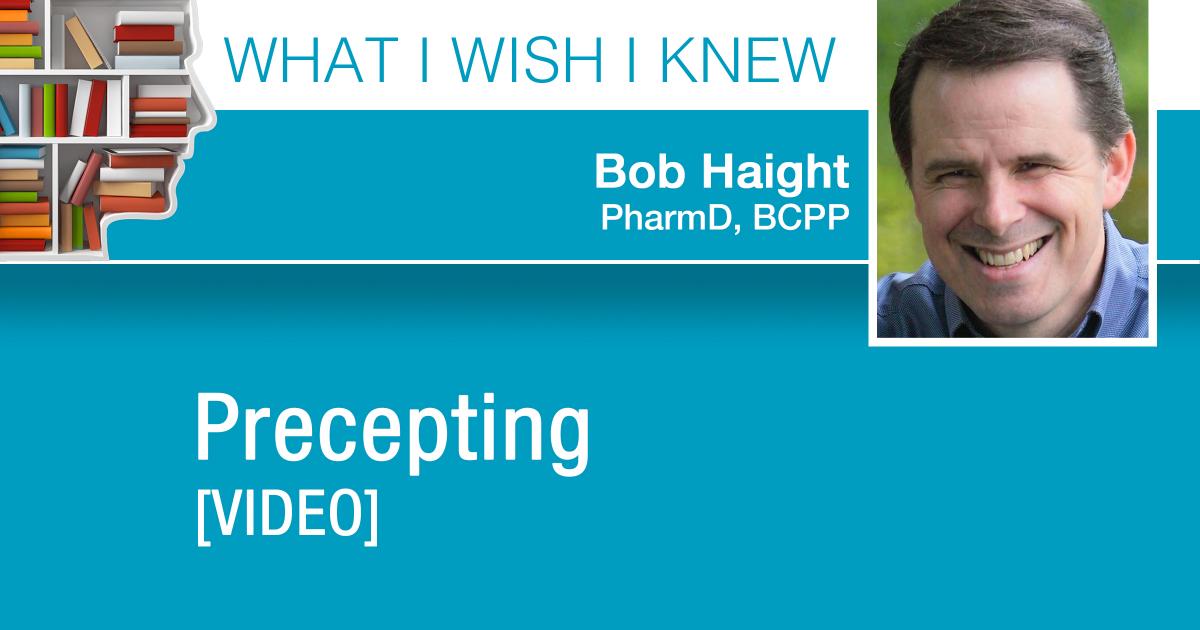
What I Wish I Knew: Precepting
Dr. Bob Haight, PharmD, BCPP, explains some of his tips to effective precepting.
2026 Early Practitioner Award Installation
Drs. Zoe Karavolis and Aaron Salwan have been awarded the inaugural AAPP Early Practitioner Award. This award recognizes the efforts of psychiatric pharmacists in the first 5 years of practice or 5 years after completion of post-doctoral training. Both Drs. Karavolis and Salwan have demonstrated commitment to AAPP and its mission and contributed to the advancement of psychiatric pharmacy practice through research, publications, presentations, mentoring, and the development of new psychiatric pharmacy practices or programs. Congratulations Zoe and Aaron!
Karavolis and Salwan Awarded First Ever Early Practitioner Awards
Drs. Zoe Karavolis and Aaron Salwan have been awarded the inaugural AAPP Early Practitioner Award. This award recognizes the efforts of psychiatric pharmacists in the first 5 years of practice or 5 years after completion of post-doctoral training. Both Drs. Karavolis and Salwan have demonstrated commitment to AAPP and its mission and contributed to the advancement of psychiatric pharmacy practice through research, publications, presentations, mentoring, and the development of new psychiatric pharmacy practices or programs.
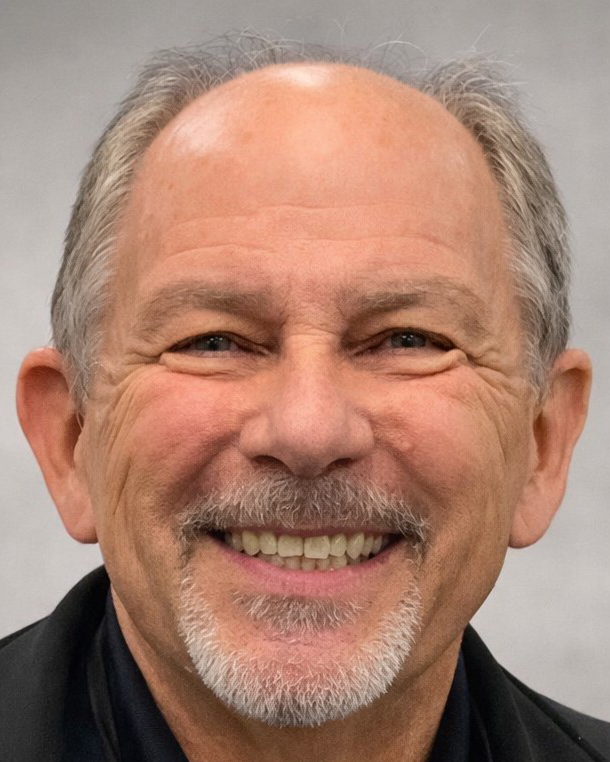
Judith J Saklad Memorial Award Ceremony Honors Recipient Jerry McKee
During AAPP 2026, AAPP presented the 2026 Judith J. Saklad Memorial Award to Jerry McKee, PharmD, MS, BCPP, FAAPP. The Judith J. Saklad Memorial Award is presented annually to a senior psychiatric pharmacy practitioner who has achieved a level of professional distinction and represents the qualities and ideals of professional enthusiasm, a passion for optimizing patient care, and continuing dedication to the practice of psychiatric pharmacy. The Saklad Memorial Award is named after the late Judith J.

Free Medication Database
This medication database provides important information on generic and brand name medications used in treating individuals living with mental health and/or substance use disorders.
AAPP New Practitioner Hub
Access valuable psychiatric treatment guideline and clinical pearl resources at AAPP

Impact of pharmacists on outcomes for patients with psychiatric or neurologic disorders
Psychiatric and neurologic illnesses are highly prevalent and are often suboptimally treated. Pharmacists who focus on psychiatric and neurologic diseases improve outcomes for patients with these conditions. This is important in the current health care environment as most patients with psychiatric or neurologic conditions continue to have unmet needs. Read this MHC article to learn more about the value of psychiatric and neurologic pharmacists as part of the health care team. We hope you will consider exploring psychiatric and neurological pharmacy for your career.
AAPP Foundation 2025 Annual Report Released
Momentum continued throughout 2025 in the areas of grant support, practitioner development, and sponsorship! View our 2025 Annual Report to see the impact. Thank you to the incredible donors who support this important work.

See Your Donations At Work! Hear Impact Grant Presentations During AAPP 2026
Collegiate Chapter Impact Grant recipients will share their grant-funded projects during the Collegiate Chapter Meeting on Sunday, 4/19! Join chapter representatives in the Cedar Ballroom from 4:45-5:15 PM Pacific Time. Presentations will not be livestreamed; however, they will be recorded and posted for those unable to attend live. Thank you to our donors for helping us continue this important grant program with your monetary gifts.
Student Grant Recipients Head to AAPP 2026
Thanks to generous AAPP Foundation donors and the AAPP Past Presidents' Destiny Fund, 33 PharmD students were awarded full, in-person student registration grants to AAPP 2026! Congratulations to each of the recipients and enjoy your time in Seattle!

Keynote Session at AAPP 2026 Supported by Kim Tallian Bequest
The estate bequest made by long-time AAPP member Kim Tallian, PharmD, BCPP, FASHP, FCCP, FCSHP, APH will be partially applied to a session sponsorship at the upcoming 2026 AAPP Annual Meeting titled, The Pleasure Pain Balance in a Dopamine Overloaded World, presented by Anna Lembke, MD on Sunday, April 19 at 1:15 PM Pacific Time. Dr. Tallian was a passionate psychiatric pharmacist and advocate for the profession, students, residents and patients. Dr.
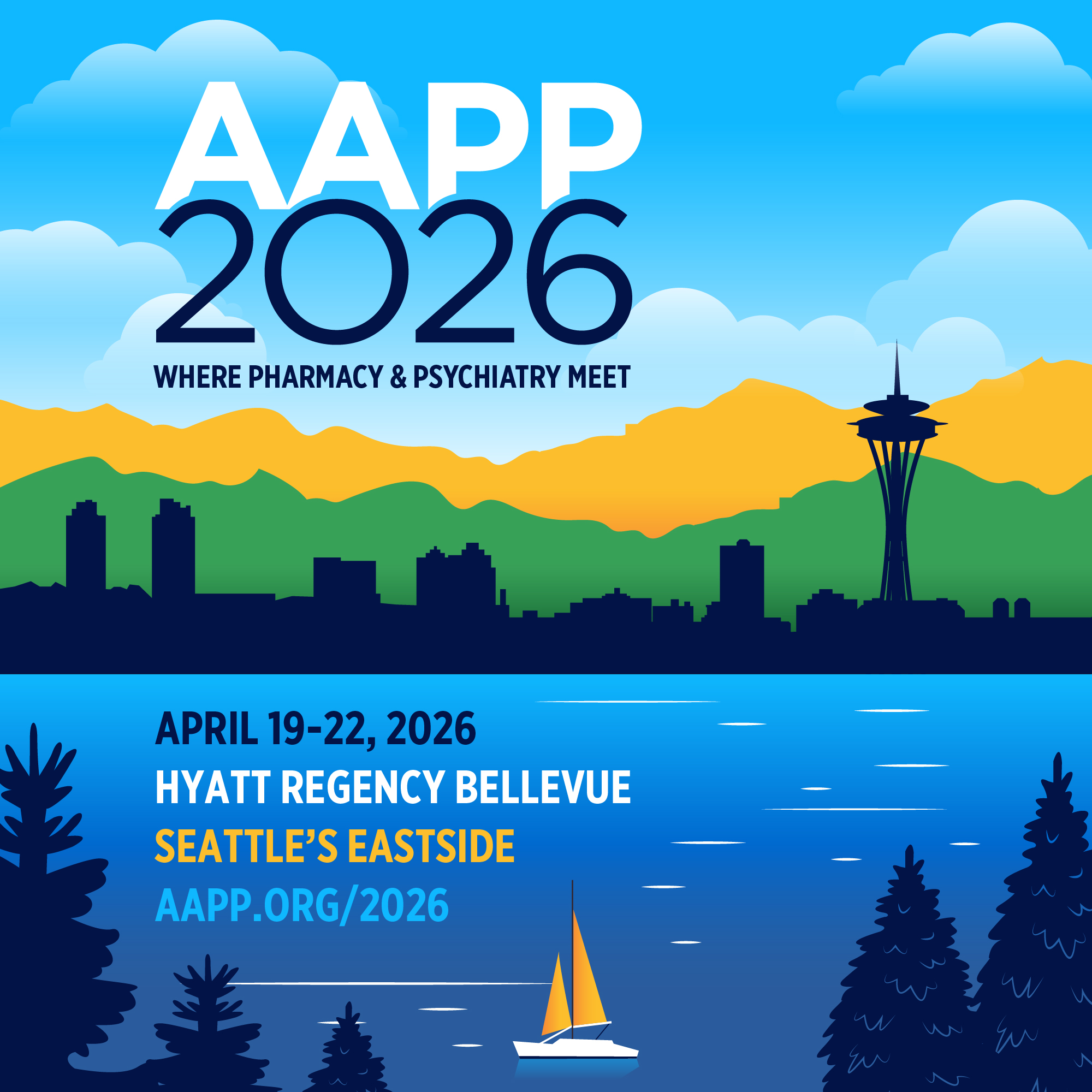
AAPP 2026 Activities Sponsored by the AAPP Foundation
The AAPP Foundation Board of Directors is looking forward to the 2026 AAPP Annual Meeting! Our booth will be near registration in the Grand Ballroom Foyer (Level 2). Members of the Foundation Board will be present at various times throughout the event to answer your questions about donations, bequests, grant programs, and more! Please join us for various Foundation-supported activities.
FDA’s Office of Clinical Pharmacology Announces Release of Its 2025 Annual Report
In this year’s report, OCP celebrates its 30th anniversary, showcasing the Office’s contributions to the evolution of clinical pharmacology into a foundational pillar of drug development and regulatory review by enhancing efficacy and safety evaluations through rigorous, collaborative, and state-of-the-art approaches.
Do US Adults View Drug and Alcohol Addiction as a Health Condition?
US adults likely have heterogenous views on addiction, and more research is needed to further understand how US adults conceptualize addiction.
Slow-Release Oral Morphine vs Methadone for Opioid Use Disorder in the Fentanyl Era
In this study, SROM for OUD was associated with slightly higher treatment discontinuation risk than methadone but similar mortality risk, suggesting either medication may be appropriate alongside measures to support retention.
A Comparative Systematic Review and Meta-analysis of Psychotic Outcomes from Therapeutic and Nontherapeutic Use of Stimulants
Stimulant-induced psychosis occurs in both therapeutic and nontherapeutic contexts but at vastly different prevalence rates.
“You’re Hoping for the Best, but Preparing for the Worst”: Discussions of Starting Buprenorphine in the Context of Fentanyl Use with Clinicians and People Who Use Fentanyl
While both PWUF and clinicians identified precipitated withdrawal as a major concern when initiating buprenorphine, it was just one of many barriers.
SAMHSA Resource - Refocus and Renew: Moving Towards Health Technical Assistance Papers
This paper provides an overview of SED, including the role of functional impairment in identifying youth with SED and the important developmental considerations.

AAPP Xylazine Toolkit Updated
The xylazine toolkit, intended to highlight the evidence base available and strategies of clinical decision making, was recently updated by AAPP member Sarah Thomason to include sections on regulatory status, laboratory testing and wound care.
Celebrating AAPP Volunteers During Upcoming National Volunteer Week
National Volunteer Week coincides with AAPP 2026 in Seattle but we don’t want that to detract from celebrating our amazing volunteers. So, we are saying our thank yous a week early. Every year, approximately 215 members contribute their time and talent to AAPP as members of committees, the Board of Directors, task forces, and editorial boards. This doesn’t include the countless other members who write, speak, represent AAPP at meetings, and much more. Though we celebrate our member volunteers year-round, we want to give extra recognition and a thank you to our volunteers in advance of National Volunteer Week. Cheers to our AAPP volunteers!
AAPP Supports Bills Removing Medicare Mental Health Inpatient Limitations Act (S.4076) and the Medicare Mental Health Inpatient Equity Act (H.R.4619)
AAPP joined numerous other Mental Health Liaison Group member organizations in expressing strong coalition support for the introduction and swift passage of legislation to remove the 190-day lifetime limit on inpatient psychiatric treatment for Medicare beneficiaries.
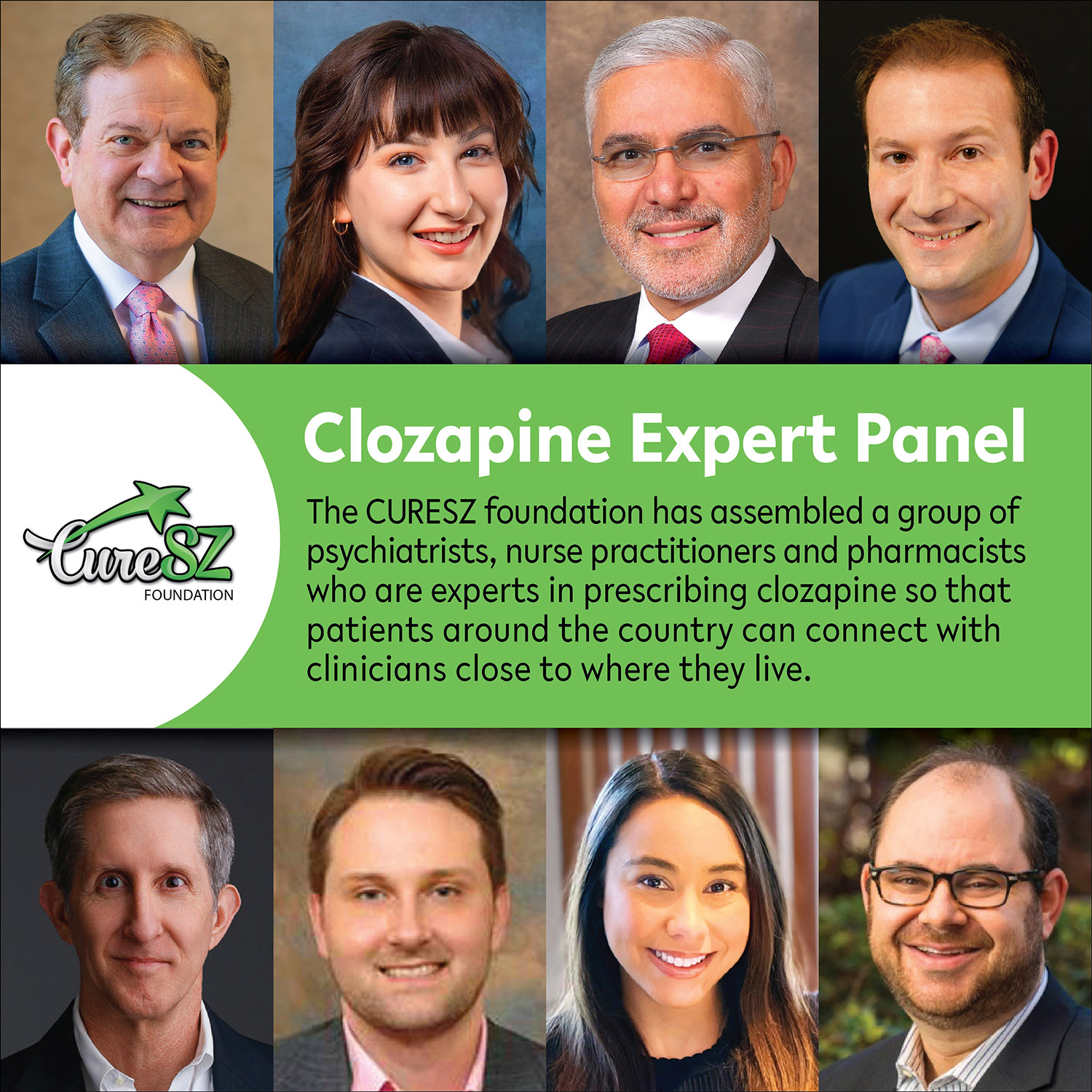
Psychiatric Pharmacists Urged to Join CLOSZE Clozapine Panel
The CURESZ Foundation (Comprehensive Understanding via Research and Education into SchiZophrenia) founded by Bethany Yeiser and Dr. Henry Nasarallah has assembled a Clozapine in Schizophrenia Expert Panel (CLOSZE). The goal is to assist individuals living with schizophrenia and/or caregivers in finding a clinician who can assist them in trying clozapine. AAPP encourages psychiatric pharmacists to sign up for the registry so that patients/caregivers can outreach to establish ongoing care.
New SAMHSA Resource: Dually Enrolled Medicaid and Medicare Beneficiaries
This report provides a guide to publicly accessible data sources to support research and improve data-driven decision-making for individuals dually eligible for Medicaid and Medicare.
Medicaid expansion boosted opioid treatment
State Medicaid expansions from 2017 to 2023 increased access to medication treatment for opioid use disorder at a time when fatal overdoses were continuing to climb, researchers wrote in JAMA Network Open. That means coverage expansions can significantly affect uptake of addiction medicine like buprenorphine. The findings could be important for state governments wrestling with reductions in federal Medicaid spending.
What I Wish I Knew: Telehealth: Tips, Pearls and Challenges
Dr. Yelena Lugin, PharmD, BCPP, provides tips on telehealth services.
Register on the CURESZ Foundation Clozapine Panel to help individuals living with schizophrenia trial clozapine
Expand availability to clozapine for those living with schizophrenia. Register now for the CURESZ Foundation Clozapine Panel!

AAPP Pharmacist Toolkit: Cannabis Use Disorder
The treatment of cannabis use disorder, special populations and co-occurring disorders as well as harm reduction strategies are also addressed in the toolkit.
CDC Issues Health Advisory about Withdrawal Syndrome Due to Medetomidine Exposure
The CDC and White House Office of National Drug Control Policy (ONDCP) issued an advisory to notify the public about increasing reports detecting medetomidine in the illegal drug supply causing withdrawal syndrome. Medetomidine is used for sedation and analgesia in dogs but is not approved for human use. Medetomidine can cause sedation, bradycardia, and hypotension and stopping it after regular use may lead to severe withdrawal.
Member News: April 2026
North Carolina AAPP members Jerry McKee PharmD, MS, BCPP, Vera Reinstein PharmD, BCPS. and Mina Wolfe, PharmD, have co-authored a publication entitled "Increasing the use of long-acting injectable behavioral health medications in the community- A pharmacist-psychiatrist collaborative model" in the journal Research in Social and Administrative Pharmacy.
What is AI Psychosis? A Conversation on Chatbots and Mental Health
As AI chatbots become more widely used, questions are emerging about how they may affect mental health.
Availability of Care for Older Adults in Outpatient Behavioral Health Facilities
Fewer than half of outpatient facilities for substance use disorder accept Medicare, according to a new HHS report. But low reimbursement rates and difficulty finding mental health workers factor into clinics' ability to care for older adults who need behavioral health care, the report found.
SAMHSA Resource - Refocus and Renew: Moving Towards Health Technical Assistance Papers
These papers call on state leaders to refocus on SMI and serious emotional disturbances (SED) treatment and recovery— and to renew their commitment to system changes in improving whole-person health.
The Effect of Fluvoxamine and Metformin for Fatigue in Patients With Long COVID: An Adaptive Randomized Trial
The primary outcome was change in Fatigue Severity Scale (FSS) score.
Turnover and Burnout Among Family Physicians
Evidence suggests that patients who lose a primary care physician experience higher emergency department use.
Vaping Likely Causes Cancer, Major Study Finds
Nicotine vaping is likely to cause lung and oral cancers, a comprehensive review of more than 100 studies has concluded. According to the analysis, human and animal studies, as well as cell experiments looking at the effects of chemicals found in vape liquid, all point toward carcinogenicity. Those studies, published since 2017, record "increasing concern", the researchers report.
Psychedelic Therapy vs Antidepressants for the Treatment of Depression Under Equal Unblinding Conditions
These findings suggest that PAT is no more effective than TADs under equal-unblinding conditions for the treatment of depression and highlight the potential role of blinding integrity.
Liver Injury Associated With Kratom (Mitragyna speciosa): A Systematic Review
Further research is needed to better characterize kratom’s mechanisms of liver injury and to inform clinical decision-making and public health policy.
Cannabis cessation and neurocognitive recovery: Patterns, predictors, and clinical implications—a systematic review
These findings provide evidence-based guidance for treatment duration, realistic expectation-setting, and individualized prognosis determination in cannabis use disorder recovery.
Treating Opioid Use Disorder With Methadone in Pharmacies
The primary study outcomes were ROI ratios and net profits after 3 years in operation.
Student Track - Traci Turner (Outpatient)
The Veteran's Health Administration (VHA) is the nation's largest integrated healthcare system. Hear Traci Turner, Pharm.D., BCPP share her experience as an outpatient clinical pharmacist at the VA.
Public Health
Protect people. Protect communities. #choosepsychpharmacy #pharmd #psychpharm #AAPP
National Council Releases White Paper on Peer Support in Schizophrenia Care
This white paper offers practical recommendations for health care leaders, policymakers, peer support programs, and individuals and families, and covers workforce development, program infrastructure, outreach, outcome measurement and policy reform.
Galvanizing Rural Opioid Response Efforts with Rural Health Transformation Program Dollars
Lessons from 10 FORE Grantees that have expanded access to prevention, treatment, and recovery supports in rural communities.
U.S. Behavioral Health Treatment Engagement Trends
This Recovery Research Institute summary highlights a cross-sectional analysis of National Survey on Drug Use and Health data showing.
Cannabis and Mental Health: A Review
The current evidence base is not sufficient to support the use of cannabis for the treatment of mental health conditions and demonstrates substantial risks of adverse effects.
Private Equity Acquisition and Buprenorphine Prescribing
In this study, the volume of patients treated with buprenorphine increased after private equity acquisition, with minimal changes in the payer mix among these patients.
Child poisoning cases rise as nicotine pouches flood stores
The colorful packaging and fruity flavors that make nicotine pouches appealing to adults also make them tempting — and dangerous — for kids.
Office for Civil Rights Announces Program to Protect SUD Patient Confidentiality
The Department of Health and Human Services Office for Civil Rights announced a new civil enforcement program to protect the confidentiality of SUD records for individuals under 42 CFR Part 2. This initiative allows for resolution agreements, monetary settlements, and corrective action plans aligned with HIPAA enforcement standards to address noncompliance and breach notifications.
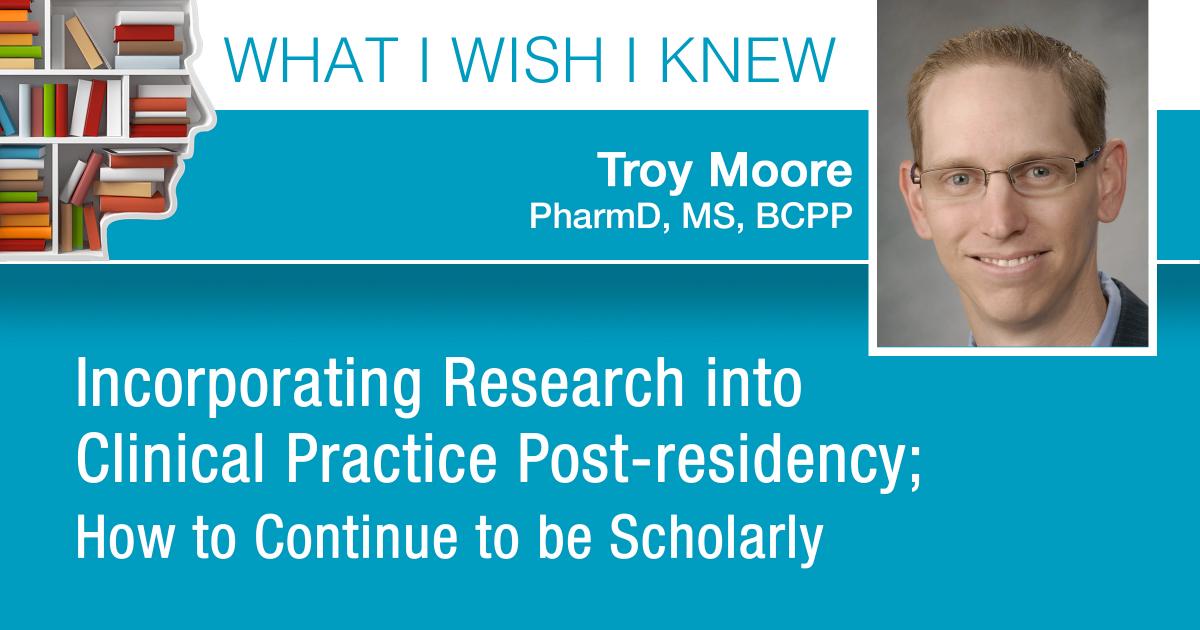
What I Wish I Knew - Incorporating Research into Clinical Practice Post-residency; How to Continue to be Scholarly
Dr. Troy Moore, PharmD, MS, BCPP, discusses how to incorporate research into clinical practice post-residency.
AAPP Supports POINTS Act Addressing Gambling Addiction Crisis
AAPP joined 39 other organizations in supporting the POINTS Act. This Act addresses the gambling addiction crisis by allocating federal funding into a competitive, discretionary grant program under the Substance Abuse and Mental Health Services Administration (SAMHSA). The grant program will support States and Tribal entities in their efforts to establish, improve, or expand programs to prevent, screen, intervene and treat problem gambling and gambling addiction in the U.S. Utilizing 1/3rd of the existing federal excise tax on wagers paid by the gambling industry, the grant program will prioritize those populations most vulnerable to gambling addiction, including men, youth, Native Americans, servicemembers, and veterans. The POINTS Act allows funding for both community and statewide prevention, intervention, and treatment activities including providing specialized outpatient treatment, peer-support, awareness, and other evidence-based interventions to help those in need.

2026 NAMI-Ipsos Workplace Mental Health Survey Results
Burnout continues to affect a large portion of the workforce, impacting well-being, job satisfaction, and day-to-day life at work. The 2026 NAMI Workplace Mental Health Poll highlights how common these experiences are—and why support matters. The data also points to what employees say could help, including more access to mental health resources and training around stress and burnout.
Methylphenidate Treatment and Risk of Psychotic Disorder
A large, new study found that the stimulant methylphenidate, such as the drugs Ritalin and Concerta, may lower the risk of psychosis when prescribed to younger children with ADHD.
Shifts in Antipsychotic Prescribing by Clinician Type for Medicare Part D Beneficiaries, 2013-2023
A growing proportion of antipsychotic prescriptions for older adults were written by nonphysician clinicians, reflecting shifts in the mental health care workforce and prescribing practices, cross-sectional data showed. From 2013 to 2023, antipsychotic prescription claims for Medicare Part D beneficiaries written by psychiatrists and primary care physicians (PCPs) declined annually by 3.2% and 2.6%, respectively (P<0.001 for both). Prescriptions from advanced practice registered nurses (APRNs) and physician assistants (PAs), however, rose by 11.8% (P<0.001) each year, reported researchers.
Millions Could Lose Medicaid Coverage Due to New Rules
Between 4.9 and 10.1 million people could lose Medicaid coverage in 2028 as the result of new work requirements and more frequent eligibility checks.
AAPP Urges Revisions to Legislation Further Restricting Access to Methadone
AAPP joined the American Society of Addiction Medicine, ASHP, and other healthcare associations in a letter to Representative Houchin encouraging revisions to H.R. 5629 which would increase overdoses and reduce access to evidence-based OUD care, especially in rural areas. We argue that, if enacted as currently drafted, the bill would result in more opioid overdoses, because fewer people would get methadone treatment for OUD, with no improvement in safety for our communities.
Complementary services improve recovery outcomes among college students with alcohol or other drug related use disorders
These findings emphasize the role of social support and integrated treatment in fostering recovery and inform the design of individualized university recovery programs.
Severity of Polysubstance Use Among Young People Seeking Drug and Alcohol Treatment, and Social and Mental Health Correlates: An Observational Study
PolySU was pervasive among young people entering AOD treatment.
Extended-Release vs Sublingual Buprenorphine in Pregnancy Through 12 Months Post Partum: A Randomized Clinical Trial
The primary and key secondary outcomes were illicit opioid abstinence during pregnancy and the postpartum period, respectively, defined as the proportion of weekly collected urine samples negative for illicit opioids.
Celebrating each success: proportion of remission as a measure of recovery from polysubstance use disorder proportion of remission; a recovery measure
Results indicate the potential of PrR to capture gradual improvements in quality of life and reflect recovery progress.
Detecting Suicidality in Opioid Use Disorder Requires an Understanding of Intentional Opioid Overdose
This commentary discusses how a sensitive and validated assessment is crucially needed to identify those at risk for intentional opioid overdose.

AAPP Pharmacist Toolkit: Harm Reduction Strategies for People Who Inject Drugs
Toolkit on harm reduction provides tips and guideline summaries in the following areas: consequences of injection drug use, harm reduction services, activities, policies, stigma, potential barriers, professional/policy support, resources, and data sources.
Quality of Life
Better days start here. #choosepsychpharmacy #pharmd #psychpharm #AAPP

Tobacco Cessation Funding Policy Recommendations Issued by AAPP
AAPP supports the funding of federal programs directed toward tobacco cessation and outlines specific policy recommendations as to the federal funding programs critical to maintain for individuals living with mental health and/or substance use disorders.
Pharmacy-based Vaccine Access Work Group Survey Invite
AAPP is a member of a pharmacy‑based vaccine access work group composed of national pharmacy organizations. The work group is conducting a survey to gather insights into vaccination practices since June 2025. Feedback will support pharmacy organizations in their advocacy and education efforts. If applicable to your practice, please complete the survey, available through March 31, 2026.
Practice Settings
Pharmacists play a variety of roles in academia: as administrators (e.g., deans, department chairs, etc.), educators, clinical practitioners, and researchers. Often a faculty member plays more than one role, depending on their track (non-tenure versus tenure) and department (pharmaceutical sciences versus pharmacy practice).
Mechanisms Underlying Hazardous Alcohol Use After Mild Traumatic Brain Injury
This review discusses mechanisms that contribute to negative outcomes after mTBI and hazardous alcohol use and to the development of AUD after mTBI.

Antipsychotic Monitoring Policy Brief Now Available
AAPP supports access to evidence-based monitoring for youth prescribed antipsychotics and updates to child and adolescent psychotropic prescribing regulations.
AAPP Joins Organizations in Support of Funding for CDC's Tobacco Prevention & Cessation Programs in FY27 Appropriations Bills
AAPP joined over 80 organizations in writing letters of support to the House and Senate urging for continued funding for tobacco cessation and prevention at the CDC. These letters align with AAPP's policy ask document on federal tobacco funding.
The Future of DSM: Role of Candidate Biomarkers and Biological Factors
As part of the planning for the future of DSM, the Biomarkers and Biological Factors Subcommittee of the Future DSM Strategic Committee was empaneled to begin to bridge the gap between psychiatry and neuroscience and move DSM toward a psychiatric nosological system informed by objective measures.
Tobacco Product Use among U.S. Adults, 2023–2024
Survey data suggest that prevalence of cigarette smoking among U.S. adults declined 2023 to 2024.
Teamwork
Mental health = team sport. #choosepsychpharmacy #pharmd #psychpharm #AAPP

President’s Blog: AAPP’s Strategic Plan and the Future of Work
AAPP President Jolene Bostwick talks about the future and our new strategic plan.
Overdose Prevention Centers and Neighborhood Commercial Activity in New York City
This cohort study found that OPC opening was not associated with significant changes in local economic activity.
Partnership for Part D Access Letter Opposing GUARD Model
As a member of the Partnership for Part D Coalition, AAPP supported a letter to CMS in opposition to the GUARD model. Opposition centers around the anticipated weaking of the 6 protected classes protections through its proposed Medicare drug pricing changes, which could lead to worsening patient health outcomes and increased costs.
Digital Media Use and Child Health and Development
A meta-analysis of children and teens found social media use was tied to higher rates of depression, behavioral problems, self-injury, and substance use. (JAMA Pediatrics)
Projecting and valuing climate change impacts on anxiety and depression in the contiguous USA: a damage function approach
Rising temperatures could trigger over a billion additional "symptom-days" of anxiety and depression annually in the U.S., researchers projected. (Lancet Planetary Health)
Sex differences in familial risk and genetic components of suicide attempts: a register-based cohort study in Sweden
Genetics play a role in risk of suicide attempt but do not fully explain the sex differences in incidence, a Swedish cohort study found. (BMJ Mental Health)
NAMI Ask the Expert Presents: An Overview of Catatonia
On March 19 from 4:00-5:30 PM ET NAMI will host this presentation to provide an overview of catatonia and discuss the various potential causes of catatonia, as well as the many different ways in which the syndrome may manifest.
Tobacco Product Use among U.S. Adults, 2023–2024
Data suggest that prevalence of cigarette smoking among U.S. adults declined from 10.8% of the population in 2023 to 9.9% in 2024.
Impact of mental health first aid training in California pharmacy professionals
MHFA training in pharmacy professionals is an effective intervention to promote mental health support, increase awareness, reduce stigma, and equip participants to make linkages.
What I Wish I Knew - Expanding the Psychiatric Pharmacist Practice to Embrace Harm Reduction
Dr. Taylor Nichols, PharmD, BCPP, explains how to embrace harm reduction.
Anxiety, Depression, and Care Barriers in Adults With Intellectual and Developmental Disabilities
In this cross-sectional study, US adults with IDDs experienced substantially higher rates of mental health conditions, treatment use, and cost-related barriers compared with those without functional impairments.
ASHP Vaccine Resources
These resources provide practical toolkits and clinical guidance.
Evidence Based Communication on Vaccines and Autism
Access the CPE version: https://www.accp.com/product/index.aspx?pc=ECVA26
Non-CPE quick link: https://vimeo.com/1170070372/4bb5df32a1
Estimating Lifetime Drinking Trajectories for Alcohol Use from Adolescence to Older Adulthood in the United States: A Three-Step Approach
These findings provide a framework for the long-term evaluation of intervention programs and guiding health care resource allocation to reduce adolescent alcohol consumption.
Buprenorphine utilization following removal of prior authorization requirements in the Kentucky Medicaid population
Removal of transmucosal buprenorphine PA requirements for Kentucky Medicaid enrollees was associated with a significant immediate increase in buprenorphine dispensing for OUD treatment.
Opioid Agonist Therapy for Fentanyl-Related Opioid Use Disorder: A Systematic Review
Emerging evidence suggests novel OAT induction strategies for fentanyl-related OUD are feasible and show a consistent direction toward positive clinical and safety outcomes.
NAMI Launches #Vote4MentalHealth campaign for the 2026 elections
NAMI has relaunched its #Vote4MentalHealth campaign for the 2026 elections. This nonpartisan campaign is part of NAMI’s long-standing efforts to help people across the country understand that voting and mental health are closely intertwined and find the resources and information they need to cast their ballot. NAMI urges voters to take the pledge to #Vote4MentalHealth, which is a commitment to do one thing: understand how your vote impacts mental health. After taking the pledge, people can learn about the issues, share why they #Vote4MentalHealth, register to vote or update their registration, request an absentee ballot, find their polling place and more — all at vote4mentalhealth.org.
Bilateral Theta-Burst Stimulation of Dorsolateral Prefrontal Cortex Regions for Late-Life Depression: A Randomized, Sham-Controlled Clinical Trial
Active theta-burst stimulation beat sham stimulation at reducing depression scores by week 12 -- but not by week 6 -- in people with late-life depression, a randomized clinical trial showed. (American Journal of Psychiatry)
Clozapine After 1 Failed Antipsychotic Drug Trial in First-Episode Psychosis
While the majority of patients with first-episode psychosis respond to initial treatment with oral risperidone or amisulpride, clozapine appeared to be the best next step for non-responders in a sequential trial. (JAMA Psychiatry)
Patterns of prescription stimulant initiation before and during the COVID-19 pandemic: a population-based time-series analysis
Stimulant prescriptions for ADHD surged in adults during the COVID pandemic, a Canadian study found. (CMAJ)
FDA Launches New Adverse Event Look-Up Tool
The new platform provides for analyzing adverse event reports.
Unraveling Stigma Toward Persons With Substance Use Disorder: Instructional Design, Implementation, and Outcomes of an Interprofessional Workshop
The Stigma Unraveled/Addiction Unmasked interprofessional workshop prompted meaningful and statistically significant changes in participant beliefs, attitudes, behaviors, and knowledge.
Moving Naloxone Over-the-Counter Is Not Sufficient: Pharmacy-Based Interventions on Pricing Are the Solution
Policy interventions and pharmacist advocacy are needed to alleviate challenges.
Evaluation of Outcomes for Veterans With Opioid Use Disorder Managed by a Clinical Pharmacist Practitioner
CPPs provided MOUD care that was safe and effective and outcomes were comparable to physicians and nurse practitioners.
Impact of Pharmacist-Led Education and Order Panel Implementation on Alcohol Use Disorder Treatment in the Primary Care Setting at a Large Academic Medical Center
The pharmacist-led intervention more than doubled the pharmacologic treatment rate for AUD in primary care.
Clinical and Financial Impact of Addiction Medicine Pharmacy Specialist
A dedicated Pain Management CPS with a focus on addiction medicine provides significant clinical and financial value in the inpatient setting.

Job Opportunities in the Pharmaceutical Industry
This blog series by the Resident and New Practitioner Committee is targeted to psychiatric pharmacists seeking their first or a new position. This blog explores opportunities in the pharmaceutical industry.
Fluoroquinolones and the risk of panic attacks: a systematic review and disproportionality analysis using individual case safety reports from the FDA Adverse Event Reporting System (FAERS) database
This study's findings suggest an association between fluoroquinolones and increased risk of panic attacks.

AAPP Pharmacist Toolkit: Medication Management of Opioid Use Disorder
Toolkit with tips and guideline summaries on opioid use disorder: screening, diagnosis, withdrawal, medications for treatment, overdose prevention education/treatment, special populations, co-occurring disorders, harm reduction strategies, and references.
Science + Creativity
Not boring science. Smart + creative. #choosepsychpharmacy #pharmd #psychpharm #AAPP
Introduction to Psychiatric Pharmacy as a Career
Psychiatric pharmacists can be effective members of the healthcare team because they treat the whole patient and understand medications beyond the scope of mental illness. Watch this video and learn more about the psychiatric pharmacy specialty!
Washington State Standard: WA Moves To Issue Its Own Guidance For Vaccines Insurers Must Cover
Last fall, Washington and other Western states issued their own vaccine recommendations in a sharp rejection of federal policy that Health Secretary Robert F. Kennedy Jr. has upended. And on Thursday, the Washington Legislature passed legislation to change state law so that vaccine coverage is tied to recommendations from the state, not a federal panel filled with Kennedy appointees.
Professional Degree Definition Changes and Impact on Workforce
AAPP joined the Advanced Professional Workforce Alliance (APWA) and other organizations to comment on the Reimagining and Improving Student Education (RISE) Notice of Proposed Rulemaking (NPRM). The letter expresses concerns regarding the proposed definition of “professional degrees” in relation to other graduate degree programs. The concern is that the proposed framework and definition of “professional degrees” does not encompass the range of programs that fit the professional designation. Additionally, AAPP believes the definition change may severely impact individuals being able to join the behavioral health workforce where staffing shortages already exist.

Job Opportunities in Academia
This blog series by the Resident and New Practitioner Committee is targeted to psychiatric pharmacists seeking their first or a new position. This blog explores opportunities in academia.
CFRI Primer: An Overview of Medicaid, Mental Health and Substance Use Disorders
SAMHSA's Center for Financing Reform and Innovation is pleased to announce the release of a new Medicaid Primer to help staff within state mental health and substance use agencies understand and support stronger collaboration with state Medicaid agencies. The document highlights effective strategies for partnering with Medicaid agencies to improve substance use and mental health care, including fostering cross-agency collaboration, and strengthening understanding of how Medicaid can expand access to services.
Glucagon-like peptide-1 receptor agonists and risk of substance use disorders among US veterans with type 2 diabetes: cohort study
Use of GLP-1 receptor agonists was consistently associated with reduced risks of developing various incident SUDs, suggesting a broad preventive effect across multiple substance types.
Advocacy
Psych pharmacists stand up for the unseen. That’s powerful. #choosepsychpharmacy #pharmd #psychpharm #AAPP

Showcasing Psychiatric Pharmacist Impact: Psychotropic Stewardship
AAPP's newest member profile showcases psychiatric pharmacist impact through a psychotropic stewardship program demonstrating optimization of medication therapy for high-risk and clinically complex patients.
'One Year Of Failure.' The Lancet Slams RFK Jr.’s First Year As Health Chief
Kennedy has continued to spread misinformation and push politicised agendas at the expense of the country’s most vulnerable.
Suggested Reading List - Top 15 References
The AAPP Residents and New Practitioners Committee is pleased to provide a suggested reading list of the top references as a service and as a forum for member discussion. Consider these resources as a foundation for your reference library.
Showcasing Psychiatric Pharmacist Impact: Psychotropic Stewardship
In our newest member profile showcasing psychiatric pharmacist impact, learn how Dr. Kesoma Holcomb worked with her health system to create an opioid and psychotropic stewardship program that continues to optimize medication therapy for high-risk and clinically complex patients who are medically ill and have co-occurring mental health and chronic pain conditions.
CMS Releases Toolkit for Children’s Behavioral Health Services and EPSDT
The toolkit outlines strategies for promoting early identification and intervention, improving access through service coordination and integration, and building workforce capacity to meet children’s behavioral health needs. It also provides an overview of key behavioral health services and models of care, along with resources to support state implementation of EPSDT requirements.
New Mental Health Literacy Curriculum: NAMI FLARE
NAMI has worked with experts to create 23 flexible lessons about mental health literacy for middle school classrooms. Supporting early intervention is one of the best ways to address the youth mental health crisis. Learn more and ask your local schools to add mental health literacy to their curriculum.
Yoga for Opioid Withdrawal and Autonomic Regulation: A Randomized Clinical Trial
A randomized clinical trial of 59 male participants with opioid use disorder found that those receiving 10 supervised yoga sessions over 14 days alongside standard buprenorphine treatment had achieved withdrawal stabilization 4.4 times faster than controls, with median stabilization occurring in five days compared to nine.
Examining the Relationship Between Cannabis Use and Drinking Levels on Co-use Days
A study that surveyed college students tested whether alcohol and cannabis co-use and cannabis use characteristics (frequency and quantity) relate to different levels of heavy drinking. Heavy drinking was more common on co-use days than alcohol-only days (33% higher odds of heavy episodic and 52% higher odds of high-intensity vs. moderate).
US Dietary Guidelines Change Alcohol Recommendations
The previous Dietary Guidelines for Americans recommended no more than two drinks per day for men, and no more than one for women. The 2025-2030 guidelines, released in January, abandon that recommendation and instead advise Americans to “consume less alcohol for better overall health.” The guidelines also include recommendations for individuals in recovery from alcohol use disorder.
Just Breathe: Heart Rate Variability Biofeedback May Help Prevent Relapse to Substance Use Among Those Seeking Treatment
A research summary from the Recovery Research Institute highlights a Phase 2 randomized clinical trial testing the efficacy of heart rate variability biofeedback, a breathing-based intervention, in reducing stress-related craving and substance use among people in remission.
Attitudes Toward Psychedelic Treatments by Individuals With Histories of Substance Use or Psychiatric Disorders: A Survey Study
A majority of participants supported psychedelics as a treatment and would accept receiving psychedelics as a treatment.
A Study Offers a Surprising Reason for Plunging US Overdose Deaths
New research published in JAMA Network Open found a correlation between China’s crackdowns on illicit fentanyl precursor chemicals and the recent decline in U.S. overdose deaths, suggesting that Chinese regulatory enforcement may have disrupted the supply chain driving the opioid crisis.
Barriers to Buprenorphine Initiation in Patients Using Fentanyl
In this survey study of clinician-reported problems initiating BUP treatment, clinicians working in high-volume noninpatient settings reported more problems initiating BUP in patients using fentanyl, and many reported changing their clinical practices in response to these problems.
Recommendations for the Deprescribing of Psychotropic Medications: A Consensus Statement From the American Society of Clinical Psychopharmacology Task Force
Through this Consensus Statement, the Task Force identified circumstances in which the selective elimination of certain psychotropic medications may be clinically indicated.
Drug shortage vulnerability for Schedule II medicines
The Brookings Institution released a white paper examining how the Drug Enforcement Administration’s quota and inventory controls impact certain drug shortages.
KFF Examines Latest Data and Trends About U.S. Deaths from Opioids, Alcohol and Suicide
Three updated KFF analyses examine the latest trends in deaths from opioid overdoses, suicide and alcohol, using newly released final data from the Centers for Disease Control and Prevention.
Education = Power
Psych pharmacists explain meds. Patients take control. #choosepsychpharmacy #pharmd #psychpharm #AAPP
Becoming a Psychiatric Pharmacist
The board of pharmacy specialties identifies pharmacists who are qualified for advanced practice based on rigorous standards. Learn more about the path to becoming a board certified psychiatric pharmacist (BCPP).

New JAMA Psychiatry Study Estimates $366.8 Billion Annual Cost of Schizophrenia with State-by-State Breakdown
A new study published in JAMA as conducted in collaboration by researchers at the Schizophrenia & Psychosis Action Alliance, Blue Persimmon Group, and Precision AQ, finds that schizophrenia’s economic burden spans healthcare, housing instability, & lost economic participation.
Job Opportunities in Community Health Systems
This blog series by the Resident and New Practitioner Committee is targeted to psychiatric pharmacists seeking their first or a new position. This blog explores opportunities in community health systems.
Unchecked stimulant use reshapes drug epidemic
Recent progress reducing fatal drug overdoses could be undercut by a marked rise in the use of illicit stimulants like cocaine and methamphetamine, specialty lab Millennium Health warns in a recent report.
Comprehensive Medication Management (CMM) Guide
This free Comprehensive Medication Management (CMM) guide provides webinars introducing CMM and helpful tools for implementing CMM.
Transformation
Struggling ➝ stable ➝ thriving. Psych pharmacists make it happen. #choosepsychpharmacy #pharmd #psychpharm #AAPP
What I Wish I Knew - Money Management for Early Career Pharmacists
"Pharmacy school taught us how to manage complex pharmacotherapy, but it did not teach us how to budget, navigate major financial decisions, or invest. These are the financial lessons I wish I learned earlier in my career, because even a little awareness from the start can prevent a lot of stress later."
Statement of Support For Plaintiffs in American Academy of Pediatrics et al. v. Kennedy Jr., et al.
AAPP recently published a statement of support for plaintiffs in American Academy of Pediatrics et al. v. Kennedy Jr., et al. Login to read the support letter and to see all recent comment letters.
New Practice Setting Videos Showcase Outreach Pharmacy and Stewardship Program Leadership
In AAPP's two new practice setting videos, Jacqueline Parizher, PharmD, reviews her role and impact as an outreach pharmacist working on the ground with individuals living with substance use disorders while Kesoma Holcomb, PharmD, BCPS, BCPP, explains her role in combining internal medicine with opioid and psychotropic stewardship.
AAPP Announces New Student Chapter
AAPP is pleased to announce an additional AAPP Student Chapter bringing the total number of student chapters to 48! University of Florida, advised by AAPP member John Markowitz, PharmD, is the newest student chapter. Congratulations and welcome to AAPP Collegiate Chapter at University of Florida!
What I Wish I Knew - The Importance of Networking and Professional Development
"One of the most important lessons I have learned is that professional development does not depend on having a specific title or years of clinical experience but instead depends on early intention and curiosity."
Electronic Intervention for Patient-Managed Benzodiazepine Tapering
According to a study in JAMA, the use of an electronically delivered self-management intervention called EMPOWER-ED was associated with a fivefold greater likelihood of benzodiazepine (benzo) cessation compared with usual care in long term benzo users.
Health, Costs, and Injection-Related Infections at a Hypothetical Overdose Prevention Center
These results suggest that overdose prevention centers are cost-saving upstream interventions to mitigate injection-related infections and hospitalizations.
Assessing the Initial Impact of X-Waiver Elimination on Buprenorphine Prescribing for Opioid Use Disorder
In this retrospective analysis of a large EHR dataset, they found that following the elimination of the X-waiver, the incidence of new OUD diagnoses declined by 2%, while subsequent buprenorphine initiation increased by 14%.
Economic Evaluation of Tobacco Treatments From the Screen ASSIST Lung Cancer Screening Trial
These findings suggest that health systems can use this favorable incremental cost per quit and transparent cost estimation to promote wider implementation of the intervention.
Upgrade to CPE Monitor Plus to Maximize Your CPE Experience
CPE Monitor Plus is an upgraded feature within the ACPE CPE Monitor system that provides you with a more robust and personalized way to manage your professional development. It allows you to access your comprehensive CPE transcript on demand, receive proactive notifications about your license renewal dates, and helps you see how your completed CPE activities align with your specific licensure requirements. The Plus plan is $12 a year.
New SAMHSA Resource - Integrating Substance Use Disorder Prevention with Physical Health Care: Progress in States
The report and webinar examine current approaches to integrating SUD prevention with physical health care at the state level including implementation, financing, partnerships, challenges, and support needs, particularly for adolescents, and where states are in the implementation of services. Expanding access to Preventing substance misuse, abuse, and addiction is one of the core strategic priorities for SAMHSA and aligns closely with the Make America Healthy Again initiative.
The Washington Post: A Solution To The Doctor Shortage Could Be Just Down The Street: Pharmacists in many states remain legally prohibited from providing care they are trained to deliver.
Pharmacist education includes patient assessment, differential diagnosis, laboratory testing, drug administration and prescribing.
“It's like scratching at the door”: Experiences of outpatient buprenorphine low dose initiation among people using fentanyl
This study found that barriers and facilitators to LDI completion were linked to five COM-B model components: physical capability, physical opportunity, social opportunity, reflective motivation, and automatic motivation.
Problem Solving
Every brain = different. Psych pharmacists customize the treatment plan. #choosepsychpharmacy #pharmd #psychpharm #AAPP
Time trends in the male to female ratio for autism incidence: population based, prospectively collected, birth cohort study
Findings indicate that the male to female ratio for ASD has decreased over time and with increasing age at diagnosis.
Reforms to PBM Practices Passed
The National Community Pharmacists Association has summarized the federal reforms to pharmacy benefit manager practices signed into law via the recent funding bill signed by President Trump. The measures are contained in a bill to fund the Department of Health and Human Services. The new law requires the Centers for Medicare & Medicaid Services to define and enforce “reasonable and relevant” Medicare Part D contract terms, and gives enforcement authority; promotes transparency by allowing CMS to track payment trends to pharmacies and pharmacy inclusion in PBM networks, including a new designation of essential retail pharmacies; and prohibits PBM compensation in Medicare Part D from being tied to the manufacturer’s list price of a drug in an effort to reduce drug prices and save money for taxpayers.
Passion + Purpose
Science that helps people. That’s the job of a psych pharmacist. #choosepsychpharmacy #pharmd #psychpharm #AAPP

Job Opportunities in Veterans Affairs
This blog series by the Resident and New Practitioner Committee is targeted to psychiatric pharmacists seeking their first or a new position. Throughout the spring of 2026, this series will feature interviews with hiring managers in various types of settings.
Antipsychotic prescribing patterns in a state psychiatric hospital with predominantly forensic admissions
High-dose antipsychotic use and APP was common in this U.S. state psychiatric hospital.
One Year Later: The End of the Clozapine REMS
Since the FDA ended the Clozapine REMS last February, some clinicians have embraced new Delphi guidelines that reduce monitoring frequency—while access to the medication has remained limited.
Largest leucovorin-autism trial retracted
A reanalysis of the data revealed errors and failed to replicate the results.
Student Grants Awarded for AAPP 2026!
Thanks to generous AAPP Foundation donors and the AAPP Past Presidents' Destiny Fund, 33 PharmD students were awarded full, in-person student registration grants to AAPP 2026! Congratulations to each of the recipients.
Benzodiazepine Tapering: A Marathon, Not a Sprint
This commentary explores implications for addiction treatment.
A Long-acting Naltrexone Implant (iSTEP-N) for Opioid Use Disorder
At the 9.6 g dose, iSTEP-N provided sustained therapeutic naltrexone exposure for 12 weeks with a favorable safety profile, while releasing less than one-fourth of its drug content.
Impact of Medication for Opioid Use Disorder on Patient Directed Discharge Among Patients with Opioid Use Disorder
Receipt of inpatient MOUD was associated with a statistically significant reduction in PDD among those with OUD and without evidence of MOUD before admission when compared with propensity-matched admissions which did not receive inpatient MOUD.
Medication Availability for Alcohol Use Disorder in Substance Use Disorder Treatment Facilities
Policies supporting MAUD-providing facilities may be needed to address persistent gaps in access.

AAPP Pharmacist Toolkit: Buprenorphine Initiation and Dosing Strategies
This toolkit provides tips and guidance in the following areas of Buprenorphine Initiation: Buprenorphine Treatment, Traditional Buprenorphine Initiation, Low Dose Overlap Initiation, Special Populations, Harm Reduction, Helpful Resources, and References
Practice Settings
Psychiatric pharmacists can be involved in a number of clinical services involving therapy modification that is stated within a collaborative practice agreement with a physician. This may include initiating/monitoring/continuing/adjusting medications, injection services, device management, side effect management, and laboratory follow-up. These models can align incentives for patients, providers and payors that improve outcomes and reduce healthcare costs.
What I Wish I Knew - Starting a New PGY-2 Program
Have you considered starting a new PGY-2 Psychiatric Pharmacy residency program at your facility but have no idea where to begin? Here are some considerations and starting points to help the process feel less overwhelming.
New Policy Brief Advocates for the Evidence-Based Treatment of Autism Spectrum Disorders (ASD)
Check out AAPP's newest policy brief stating our support for the evidence-based treatment of autism spectrum disorder based on an accurate assessment of the available data.
Foster Care Policy Recommendations Promoted by AAPP
AAPP issues policy recommendations supporting access to psychiatric pharmacy care for foster care youth. AAPP urges each state to include BCPP(s) on the foster care team and state DUR committees and urges CMS to provide best practice guidance to states.
JCPP Releases Key Elements of a Pharmacist Practice Management Ecosystem
The Joint Commission of Pharmacy Practitioners (JCPP) has released a new document titled Key Elements of a Pharmacist Practice Management Ecosystem (January 14, 2026). This publication defines the essential components of the pharmacist’s practice management system—one of the three core dimensions of a comprehensive pharmacist professional patient care practice.
Differences in buprenorphine initiation and retention for opioid use disorder between primary care and substance use disorder specialty care settings
Findings suggest that patient characteristics associated with buprenorphine initiation may differ by health care setting. However, retention among subgroups of patients appears similar across settings.
Foster Care Policy Recommendations Promoted by AAPP
AAPP has recently released a summary of recommended policy actions to support access to trauma-informed care for all youth in foster care and access to psychotropics for those with co-occurring mental health conditions. Additionally, the recommendations call for updates to foster care psychotropic prescribing regulations. Policy recommendations urge that each state include BCPP(s) on the foster care team as well as on any state DUR committee. AAPP additionally urges CMS to provide guidance to states on best practices, including increasing support for collaborative telemedicine services. Please distribute this policy ask as you engage in your own advocacy.
New Policy Brief Advocates for the Evidence-Based Treatment of Autism Spectrum Disorders (ASD)
Check out AAPP's newest policy brief stating our support for the evidence-based treatment of autism spectrum disorder based on an accurate assessment of the available data.
Differences in buprenorphine initiation and retention for opioid use disorder between primary care and substance use disorder specialty care settings
Findings suggest that patient characteristics associated with buprenorphine initiation may differ by health care setting. However, retention among subgroups of patients appears similar across settings.
Public Views About Opioid Overdose and People With Opioid Use Disorder
These findings suggest that the US public continues to view opioid overdose as a serious and stigmatized condition.
What I Wish I Knew - Becoming a Peer Reviewer
Peer reviewing is not just for senior clinicians and academics. When you peer review, you are participating in an important gatekeeping role...and the endeavor is a worthy one.
Vaccine Advocacy
AAPP joined with fellow members of the Pharmacy-Based Vaccine Access Work Group to support the importance of vaccines and the role of the pharmacist.
Tobacco Use Toolkit Released by AAPP
Understand common myths about nicotine and smoking cessation through AAPP’s toolkit.

Job Opportunities in State Psychiatric Hospital Settings
This blog series by the Resident and New Practitioner Committee is targeted to psychiatric pharmacists seeking their first or a new position. Throughout the spring of 2026, this series will feature interviews with hiring managers in various types of settings.
Job Opportunities in State Psychiatric Hospital Settings
This blog series by the Resident and New Practitioner Committee is targeted to psychiatric pharmacists seeking their first or a new position. Throughout the spring of 2026, this series will feature interviews with hiring managers in various types of settings.
What I Wish I Knew: Managing Drug Seeking Behavior
Dr. Amy VandenBerg, PharmD, BCPP, discusses how to manage drug-seeking behavior.
New Tobacco Use Toolkit Released by AAPP
Check out AAPP’s newest toolkit dedicated to dispelling myths about nicotine and smoking cessation. A special thanks to authors Danial Chowdhury, Michael Kotlyar, Annette Percy, Raeschell Williams, and Zoe Karavolis.

AAPP Pharmacist Toolkit: Hepatitis C
This pharmacist toolkit provides quick tips on an overview, HCV medications quick references, drug interactions of Hepatitis C Virus treatments, and references.
Are Americans sobering up? New trends in alcohol consumption in the United States
New data are emerging, but by no means definitive, that alcohol consumption and binge drinking among adults in the United States (US) have begun a recent decline just in the past 2 to 3 years.
The addicted brain: How processed foods hijack reward pathways
The concept of addiction, traditionally confined to substances such as drugs and alcohol, has expanded to encompass behavioral patterns such as compulsive eating
AAPP Foundation awards $250,000 for outcomes research related to the treatment of depression
The AAPP Foundation continues to proudly support the AAPP Outcomes Initiative with a second $250,000 research grant. This 2025 grant has been awarded to study the impact of care by psychiatric pharmacists on the treatment of depression. The project, “Alternate Prescriber Type - Depression Management (Trial APT-DM): Impact of Psychiatric Pharmacist on Major Depressive Disorder in Primary Care,” will be led by Co-Principal Investigators, Dr. Nathaniel Rickles (UConn School of Pharmacy), Dr. Wilner Samson (Hartford Healthcare), and Dr. Charles Caley (Western New England University College of Pharmacy and Health Sciences). Congratulations to the researchers! And thanks to all psychiatric pharmacists for their work treating patients with depression!
10 Key Breakthroughs: Recent Studies Advancing our Understanding of Addiction and Treatment
Here are 10 recent scientific developments.
Academia
Learn the workings of a career in academia from Shari Allen, Pharm.D., BCPP!
What I Wish I Knew - Managing Difficult Situations With Learners
Despite strong training, new psychiatric pharmacists will encounter challenging trainees throughout their career. Here are 5 guidelines to prevent rotation problems.
The American Association of Psychiatric Pharmacists (AAPP) Announces 2026 Early Practitioner Award Recipients
The American Association of Psychiatric Pharmacists (AAPP) is pleased to announce the selection of Zoe Karavolis, PharmD, MPH, BCPP, and Aaron Salwan, PharmD, MPH, BCPP, as the 2026 Early Practitioner award recipients. This award is presented annually to recognize the efforts of psychiatric pharmacists in the first 5 years of practice or 5 years after completion of post-doctoral training. Recipients have demonstrated commitment to AAPP and its mission to “advance the reach and practice of psychiatric pharmacy and serve as the voice of the specialty.”
Prenatal paracetamol exposure and child neurodevelopment: a systematic review and meta-analysis
Current evidence does not indicate a clinically important increase in the likelihood of autism spectrum disorder, ADHD, or intellectual disability in children of pregnant individuals who use paracetamol as directed, supporting existing recommendations on its safety.

Julie Dopheide Awarded BPS Award
Founding member and Past President Julie Dopheide, PharmD, BCPP has been named the recipient of the Warren E. Weaver/Richard P. Penna Award from the Board of Pharmacy Specialties. This award is for individual persons recognized for having made outstanding voluntary contributions to the advancement of BPS board certification of pharmacists. As noted by Tien M.H. Ng, PharmD, BCPS, FHFSA, FACC, FCCP, “Dr. Dopheide was among the leaders who worked toward getting psychiatric pharmacy approved as a recognized BPS specialty back in the early 1990’s,” and she has “maintained her certification continuously, and has enthusiastically promoted the value of board certification locally and nationally.” Congratulations Julie!
US drug policy does not align with experts’ rankings of drug harms: a multi-criteria decision analysis
These findings add to the growing international literature highlighting how drug policy contradicts expert assessments of drug harms across nations.
Pharmacological Interventions for Electronic Cigarette Cessation: A Systematic Review and Meta-analyses
Varenicline has demonstrated efficacy in supporting e-cigarette cessation, whereas the current evidence for NRT and cytisine remains insufficient to draw firm conclusions.
Comparison of Extended-Release Buprenorphine Doses for Treating High-Risk Opioid Use
In this randomized clinical trial including 436 participants with moderate to severe opioid use disorder, both the 100-mg and 300-mg maintenance doses improved opioid abstinence and were well tolerated without any new safety signals. In post hoc analyses, the 300-mg dose performed better than the 100-mg dose among participants who used fentanyl daily, 14 times or more per week, or both.
Barriers to Buprenorphine Initiation in Patients Using Fentanyl
In this survey study, the majority of 396 clinicians surveyed (72.0%) reported encountering problems initiating buprenorphine treatment among patients using fentanyl in the past year, and 67.3% reported modifying their standard induction protocols.
CBO Releases Report on Substance Use Treatment and Prevention Strategies
On Jan. 13, the Congressional Budget Office released The Opioid Crisis: Federal Policy Approaches to Reduce Supply, Demand, and Harm, examining three federal policy approaches to mitigating the opioid crisis. The report also discusses the potential budgetary impacts of these strategies.
What I Wish I Knew - The Art of Difficult Conversations
Avoiding difficult conversations can lead to stress, reduced engagement, and low morale. Dr. Maria Blaze shares important tips to help you navigate.
Where Does Pharmacy Fit in Rural Health Transformation?
Both the American Pharmacists Association and the National Association of State Pharmacy Associations are compiling resources that take a closer look at how pharmacists and pharmacies are showing up in state Rural Health Transformation Program (RHTP) applications submitted to CMS for hopeful approval.

National trends in pharmacist and pharmacy technician suicide: Incidence and associated features
AAPP member Kelly Lee has co-authored an important work in AJHP on National trends in pharmacist and pharmacy technician suicide: Incidence and associated features.
CDC Launches Study on Vaccine-Autism Link Amid Ongoing Measles Outbreak
AAPP Board member Danielle Stutzman, PharmD, BCPP, represented psychiatric pharmacy in expressing concerns about study's potential to perpetuate stigmatization of vaccines and, in particular, ASD.
What I Wish I Knew
These free articles are intended to provide advice from experts for students, residents, and new practitioners.
Senate Confirms New Drug Czar
On Jan. 6, the Senate confirmed Sara Carter as director of the White House Office of National Drug Control Policy by a 52-48 vote. As “drug czar,” Carter will have a major role in shaping the administration’s drug policy agenda amid a push to address several issues, including substance use prevention, treatment and recovery.
What I Wish I Knew: Managing Medication Assisted Treatment (MAT)
Dr. Sadie Roestenburg, PharmD, BCPS, talks about managing Medication Assisted Treatment (MAT).
New Dietary Guidelines Abandon Longstanding Advice on Alcohol
Roni Caryn Rabin, The New York Times
Practice Settings
Psychiatric clinical pharmacists are integrated in a multidisciplinary model of care to provide expertise on psychotropic medications and optimize pharmacotherapy in a variety of mental health conditions. By leading medication education groups, pharmacists can connect with their patients and discuss important medication pearls to improve adherence and decrease adverse events.
Mapping the genetic landscape across 14 psychiatric disorders
Our analyses characterized the landscape of shared and divergent genetic influences of common variants on 14 psychiatric disorders.

Helpful Insights for Patients and Caregivers
These freely accessible resources include talking points on what psychiatric pharmacists do for patients and how they care for patients, where to locate a psychiatric pharmacist, consumer tools on common topics, and medication fact sheets.
Pharmaceutical Industry
Judy Curtis, Pharm.D., BCPP, FASHP shares opportunities for psychiatric pharmacists in industry and discusses her medical science liaison career.
Expedited referrals from community health center to opioid treatment program: innovative approaches to improving access to methadone treatment for patients who use opioids and experience homelessness
Efforts to reduce barriers to methadone initiation via partnerships between mobile health programs, SSPs, and OTPs can be a tool in combating the overdose crisis.
Opioid overdose associated with concomitant use of hydrocodone and selective serotonin reuptake inhibitors
In this cohort study, based on data from US healthcare claims databases, initiating citalopram, escitalopram, fluoxetine, or paroxetine while on hydrocodone was associated with an increased risk of opioid overdose compared with sertraline.
Breaking barriers: evaluating access models for harm reduction vending machines
Given the high level of stigma and shame experienced by PWUDs, the lowest barrier HRVM access models should be adopted to promote equitable access to harm reduction and basic needs supplies.
Integrating Methadone Services Into Primary Care in Ukraine: Two-Year Outcomes From a Randomized Trial
Integrating methadone treatment into primary care settings improves adherence to guideline-concordant health care without compromising methadone retention and treatment quality.
Buprenorphine Treatment Duration and Adherence Among Youth and Subsequent Health Outcomes
Medication adherence may prevent overdose, ED use, and hospitalization. Strategies to increase treatment duration/adherence likely avert harm.
Productivity Losses From Substance Use Disorder in the U.S. in 2023
Total morbidity-related productivity losses attributable to substance use disorder in the U.S. are substantial, amounting to $92.65 billion in 2023.
AAPP Pharmacist Toolkit: Monoamine Oxidase Inhibitors
This pharmacist toolkit provides clinicians with evidence-based information necessary to safely and confidently manage patients who are candidates for treatment with MAOIs.
What I Wish I Knew: Making the Most of BCPP: Studying, Retesting/recertification, and Marketing Your Skills
Dr. Jerry McKee, PharmD, MS, BCPP, explains the difference between BCPP re-testing versus recertification.

Cancer and Mental Health: Kelly Gable Shares Lived Experience
Kelly Gable, professor and director of well-being and resilience at Southern Illinois University Edwardsville School of Pharmacy, and member of the AAPP Board, discusses her own cancer journey and how pharmacists need to be more involved and proactive in patients' mental health.
Therapeutic Use of Cannabis and Cannabinoids
Evidence is insufficient for the use of cannabis or cannabinoids for most medical indications.
WHO expert group’s new analysis reaffirms there is no link between vaccines and autism
New analysis from a WHO global expert committee on vaccine safety has found that, based on available evidence, no causal link exists between vaccines and autism spectrum disorders (ASD). The conclusion reaffirms WHO’s position that childhood vaccines do not cause autism.
AMA House of Delegates Passes ASAM’s Resolution to Eliminate Barriers to Medications for OUD
The AMA House passed resolution that directs AMA to advocate at both the state and federal level, for the removal of red flag designations for ordering FDA-approved products to treat OUD. It also calls for the removal of other barriers to medications for OUD, including prior authorizations.
Therapeutic Use of Cannabis and Cannabinoids - A Review
Evidence is insufficient for the use of cannabis or cannabinoids for most medical indications. Clear guidance from clinicians is essential to support safe, evidence-based decision-making.
Structural Drivers of the Drop in Opioid Overdose Deaths in the US
This study used our peer-reviewed model of the US opioid crisis to demonstrate how a falling at-risk population combined with probable plateauing of the mortality rate produced the recent decline in US overdose deaths.
Drug Use After Emergency Department-Initiated Injectable Buprenorphine: A Secondary Analysis of the ED-INNOVATION Ancillary Safety and Feasibility Trial
ED-initiated XR-BUP was associated with substantial reductions in opioid and polysubstance use during the first week post-discharge, supporting its role in early overdose risk mitigation and highlighting its value as an ED-based intervention for opioid use disorder.
Cognitive Outcomes of Children Exposed to Selective Serotonin Reuptake Inhibitors Through Breast Milk
In this cohort study including children prenatally exposed to SSRIs, additional exposure to SSRIs through breastfeeding was not associated with reduced IQ scores.
Integrating Methadone Into Primary Care: Lessons From Ukraine
Despite strong evidence, there is a large implementation gap in both high-income and LMIC settings.
Antidepressant deprescribing: Slow tapering plus therapy is best way to come off medication, say researchers
The analysis directly compared the effectiveness of different strategies on the rate of relapse either with or without psychological support.
Practice Settings
Psychiatric clinical pharmacists are pivotal in the care of patients with substance use disorders to advocate for and initiate medications for alcohol use disorder (MAUD) and opioid use disorder (MOUD). Pharmacists are uniquely positioned to counsel patients on MAUD/MOUD, provide naloxone on discharge, and further facilitate transitions of care by ensuring affordability of these medications and confirming continuity via outpatient follow up.
AAPP Pharmacist Toolkit: Benzodiazepine Taper
This pharmacist toolkit on benzodiazepine taper includes populations at risk for complications, screening and diagnosis, benzodiazepine withdrawal, treatment, special populations, harm reduction, clinical pearls, authors experience, and references.
Practice Settings
Integrating mental health clinicians into primary care expands access to quality mental health care. In this setting, psychiatric pharmacists provide brief psychotropic medication management in collaboration with the primary care physician.
What I Wish I Knew: Discussing Psychotropics During Pregnancy
Sophie Robert, BPharm, PharmD, BCPP discusses provider concerns and assumptions about patients' use of psychotropics during pregnancy.
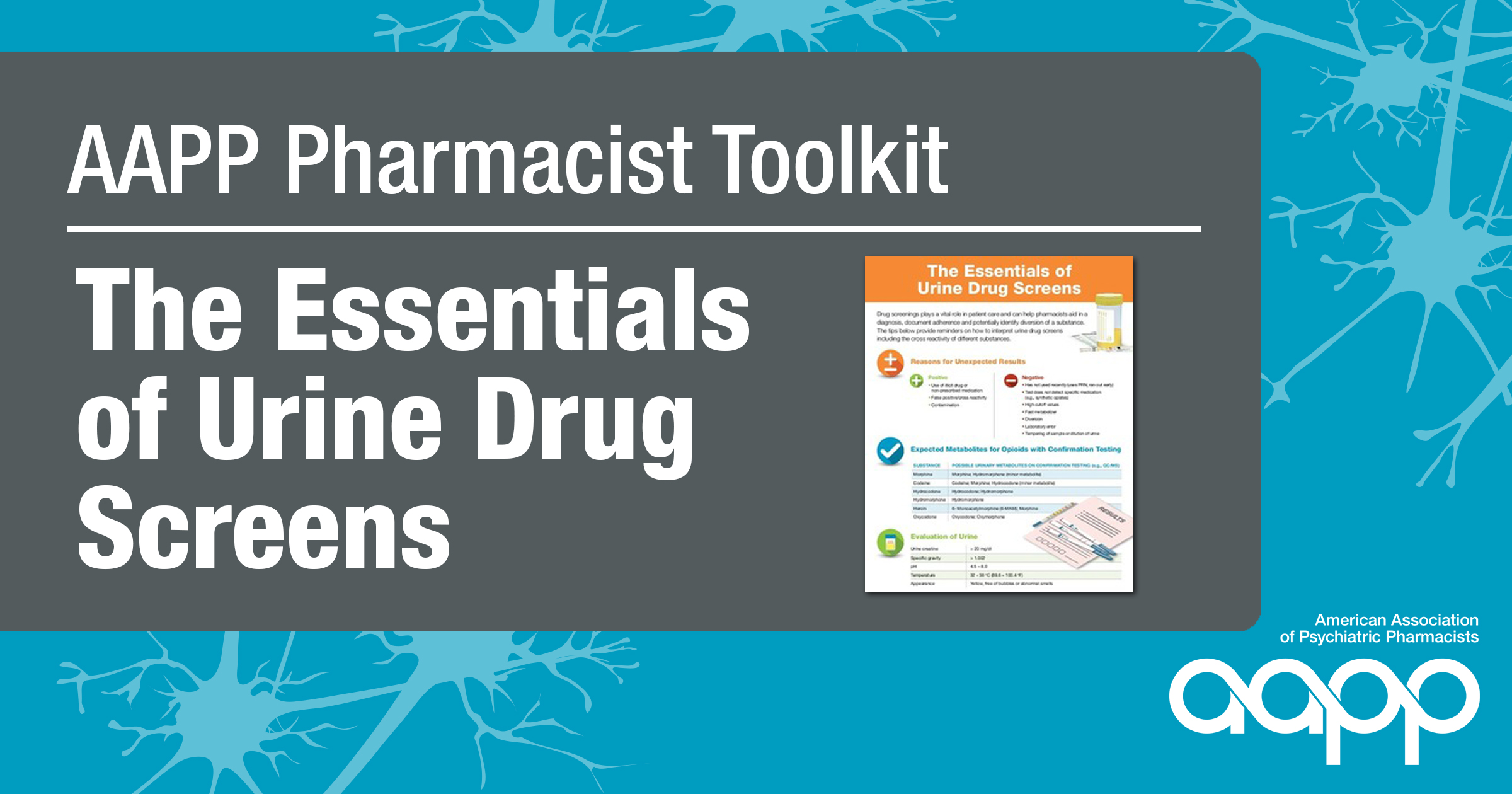
The Essentials of Urine Drug Screens
This toolkit on urine drug screens provides reasons for unexpected results, expected metabolites for opioids with confirmation testing, evaluation of urine, and potential positive results with immunoassays and detection time in the urine.
Practice Settings
Pharmacists practice forensic pharmacy when they care for patients with psychiatric diagnoses who have also been convicted or charged with a crime. The practice settings often include county jails, or state/federal prisons/hospitals or correctional facilities. Pharmacists care for patients in the justice system by reviewing their medication records, making objective/subjective assessments with rating scales and patient interviews, initiating/modifying medication doses, and providing medications-related patient education. Forensic psychiatric pharmacists also can serve as expert witness for lawyers, work for regulatory agencies, or work as a freelance consultant.
AAPP Pharmacist Toolkit: Alcohol Use Disorder
Toolkit on Alcohol Use Disorder with quick tips and guideline summaries: Screening/Diagnosis, Alcohol Withdrawal, Maintenance Treatment of AUD, Special Populations and Treatment, Co-occurring Disorders, Harm Reduction Strategies, Resources and References.
What I Wish I Knew: Tips and Tricks for Starting a New Practice
Dr. Kelly Gable, PharmD, BCPP, gives tips on starting a new practice.

Student Committee Blog Takeover
The Student Committee serves aspiring psychiatric pharmacists by providing educational content and programming, overseeing collegiate chapters, and encouraging AAPP members to include students in their professional practices. We encourage you to peruse the committee’s annual blog posts, which showcase students, student chapters, and our role as psychiatric pharmacists in preparing students for their pharmacy careers. The future of psychiatric pharmacy looks bright!
Preparing Members of AAPP Student Chapters for PGY-2 Psychiatric Pharmacy Residency Applications
Author: Jose Rey, PharmD, MS, BCPP, FAAPP
Welcome to the American Association of Psychiatric Pharmacists as a student member. Perhaps, during your training as a student, you will be enthused to consider, and then plan to do, a PGY-2 Psychiatric Pharmacy Residency after your PGY-1 residency training.
A Reflection from AAPP’s First APPE Student

Author: Sofia Hage, PharmD Candidate, Class of 2026, Palm Beach Atlantic University Lloyd L. Gregory School of Pharmacy
AAPP Student Chapters Make a Huge Impact
Author: Katelynn Mayberry, PharmD
Pharmacy Closures
Approximately 13 percent of counties had more than half their population living in an area facing a pharmacy shortage last year, according to the National Community Pharmacists. The new data coincides with the NCPA and USC’s launch of the first public mapping tool tracking pharmacy shortage areas and closures over time by state, county and congressional district. AAPP, other pharmacy groups and academics warn that the closures, sometimes the only points of personalized care in communities, could make it more difficult to manage chronic disease, access vaccinations and strain the pharmacy profession.
Looking Back, Looking Ahead: The Power of Progress and Giving
As we step into the final stretch of the year, there’s a natural tendency to reflect on what has been accomplished over the past year, and to set goals for the year to come. Very soon, we’ll be in the heat of the holidays and the season of giving. It’s a time not just for celebration, but also for purpose.
Foundation Supports MHFA Training
On Monday, November 3, AAPP members Beth DeJongh, PharmD, FAAPP, BCPS, BCPP and Erin Knox, PharmD, BCPP, co-led Mental Health First Aid (MHFA) training on behalf of the AAPP Foundation. Sixteen participants completed the course and are now certified! The bequest of Kim Tallian fully supported this course, and her legacy lives on through these MHFA-trained individuals. The AAPP Foundation intends to again offer MHFA courses in 2026, tentatively slated for March 9, July 14, and November 4. Courses are open to members and non-members of AAPP.

Grant Recipient Research Published
Dr. Andrew C. Hean, 2023 Defining the Future grant recipient, and his co-authors Jamie Kneebusch,Casey Tiefenthaler, and Kelly C. Lee, recently had their research published! Dr. Hean said, "Thank you again to the foundation for making this research possible, a project that was quite special to me!" Congratulations to this research team, and thank you to our donors who make grants like this possible! You can now read and download the article online.
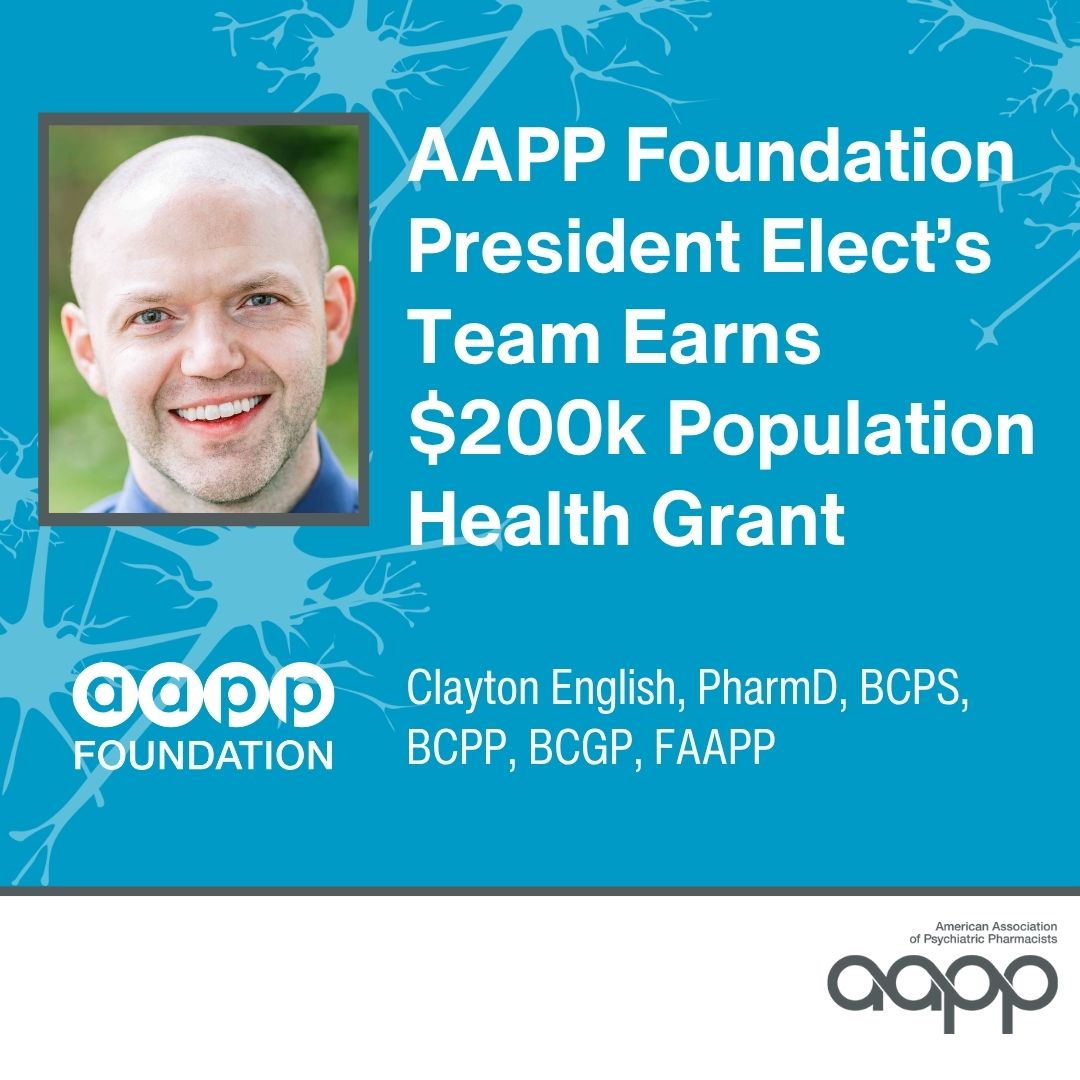
AAPP Foundation President Elect’s Team Earns $200k Population Health Grant
Long-time AAPP member and the current AAPP Foundation President-Elect, Clayton English, PharmD, BCPS, BCPP, BCGP, FAAPP, is part of a team of SoP faculty researchers at the University of Washington School of Pharmacy that has been awarded a $200,000 Tier 3 pilot research grant from the UW Population Health Initiative. The team’s work aims to address the rise in opioid overdose deaths, increasingly driven by fentanyl. This work is vital to public health. Help us congratulate Dr. English!
AAPP Pharmacist Toolkit: Addressing Stimulant Shortages
This Pharmacist Toolkit on Addressing Stimulant Shortages is intended to provide an evidence-based guide for thoughtfully converting from one stimulant product formulation to another. Download the toolkit today! #psychpharm #toolkit
Practice Settings
Psychiatric pharmacists can function as medical affairs professionals assisting with analyzing and educating providers on clinical data and development of insights that can affect the medical strategy to optimize medications in a company’s psychiatric pipeline. Their training also translates to roles in educating payors on clinical and health economics and outcomes research (HEOR) data that may affect their access algorithms as well as in marketing where on-label data and insights can be leveraged to optimize the success for a company’s marketed psychiatric product.
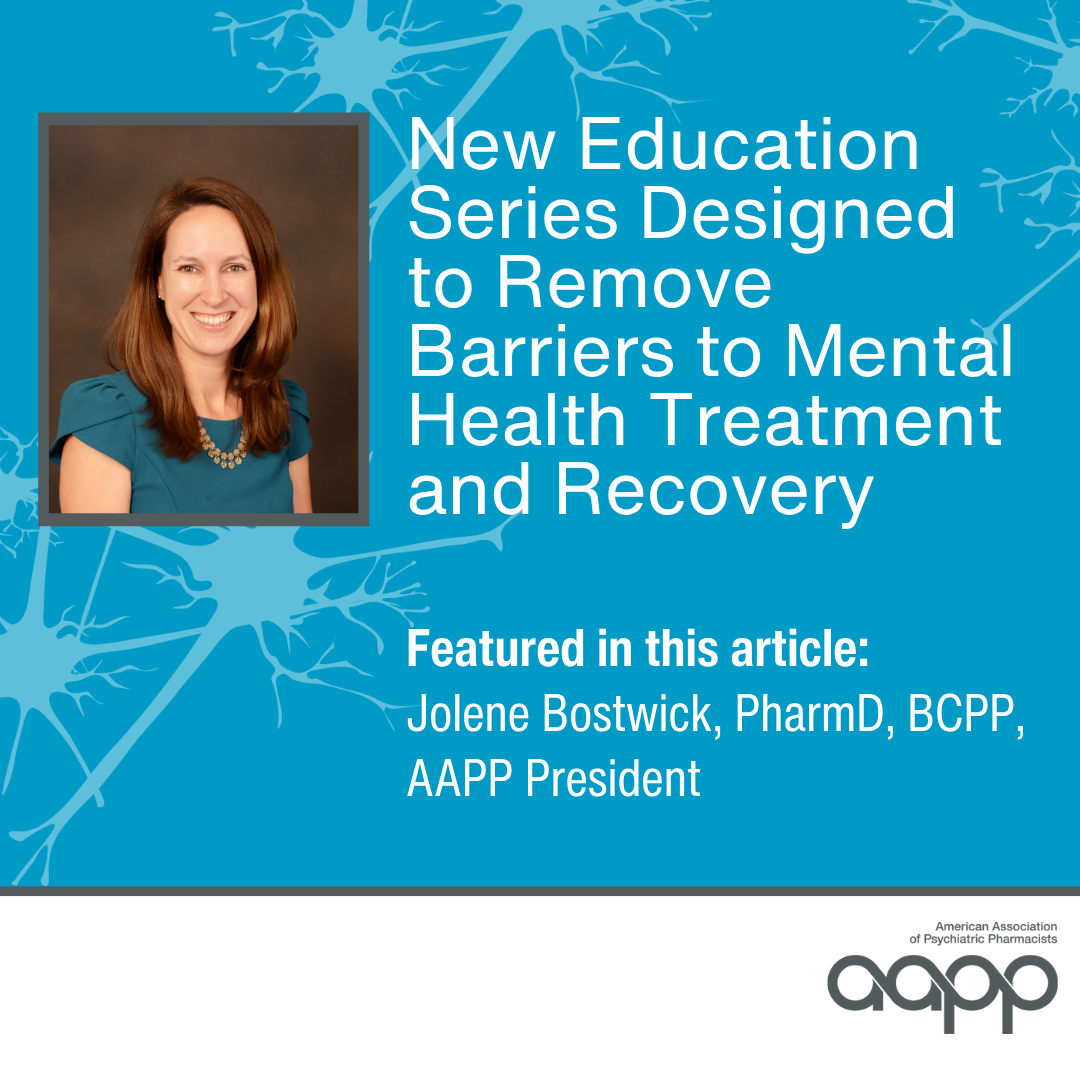
AAPP President Jolene Bostwick Featured in Clozapine Education Article
“Given this landscape, psychiatric pharmacists play a more important role than ever in patient care. Our knowledge, experience, and understanding of other disease states allows us to support the whole patient.” - Dr. Bostwick
What I Wish I Knew - Managing Personal Career Goals with Job Expectations: A Balancing Act
Dr. Megan Ehret, PharmD, MS, BCPP, explains how to balance your employment expectations with your personal career goals.
AAPP Foundation Awards Nearly $15,000 in Defining the Future Grant Awards
The AAPP Foundation is pleased to announce the recipients of the 11th annual Defining the Future Research Grant Awards: Saira Pacheco, PharmD Student, Western University of Health Sciences; Seo Young Park, PharmD, PGY2 Resident, Montefiore Nyack Hospital; Jack Smith, PharmD Student, Wayne State University; Amber Tran, PharmD, PGY2 Resident, Laureate Psychiatric Clinic and Hospital; Mina Wolfe, PharmD, Consultant Pharmacist, North Carolina Association of Pharmacists. Read the full press release!
Practice Settings
At VA Healthcare Systems, psychiatric pharmacists manage medications for military Veterans in outpatient clinics. Under a broad scope of practice (including controlled substance prescribing), psychiatric pharmacists meet one-on-one with Veterans to design personalized treatment plans that optimize symptom control while minimizing side effects.

Psychiatric Pharmacy Essentials
This free collection of essentials provides resources, references, and clinical pearls for practitioners beginning to practice in psychiatry.
What I Wish I Knew - Talking the Talk: Discussing Illicit or Non-Prescription Drug Use with Patients
Dr. Raeschell Williams, PharmD, BCPS, BCPP, explains how to discuss illicit or non-prescription drug use with patients.
Improving medication-related outcomes for patients with psychiatric and neurologic disorders: Value of psychiatric pharmacists as part of the health care team
There is a shortage of psychiatric pharmacy providers, and patients have unmet needs that can be filled by these individuals. AAPP's position paper describes the expertise and skills of psychiatric pharmacists and the associated positive outcomes for patients with these disorders. This paper also outlines barriers to the provision of services by psychiatric pharmacists and presents action items aimed at effecting change. Read this position paper to learn more about the value of psychiatric pharmacists as part of the health care team. We hope you will consider exploring psychiatric pharmacy for your career.
What I Wish I Knew: I’m Anxious About Taking Anxiety Meds, So What About OTC Products?
Richard J. Silvia, PharmD, BCPP discusses ways to communicate risks vs benefits of OTCs in patients with anxiety.
Collaborative Practice
Collaborative practice agreements permit clinical pharmacists to provide expanded healthcare services to patients. Learn more in this 11-minute video.
What I Wish I Knew - Considerations for Creating a LGBTQIA+ Friendly Health Care Environment
Carolanne Wartman, PharmD, BCPS, BCPP (she/her) discussing asking, advocating, and creating inclusive environments for LGBTQIA+ patients.
Mental Health in Primary Care
Approximately 60% of depression is treated in the primary care setting. Psychiatric pharmacists can utilize their knowledge and training to assist primary care providers in treating mental illness. Watch this video to learn more.
The Role and Impact of Indian Health Service Pharmacists in Public Health
The Indian Health Service (IHS), an agency within the Department of Health and Human Services, provides comprehensive health care to around 2.8 million American Indians and Alaska Natives (AI/AN) across 37 states belonging to 574 federally recognized tribes. The federal government established a special relationship with these tribes in 1787 to provide health services and raise their overall health status to the highest level.
What I Wish I Knew - Avoiding Overcommitment in Early Practice
Kaitlyn Q. Weslosky, PharmD, BCPP discusses why we overcommit, how to avoid overcommitment, and how to manage existing commitments in this What I Wish I Knew article. #WIWIK #residents #newpractitioners #psychpharmacy
Palliative Psychiatry for Severe, Persistent Mental Illness
Outside of conversations around suicide, disease progression, death, and dying are not commonly discussed in psychiatric practice. Palliative care for patients with mental illness is not typically considered beyond the context of terminal medical illness. While patients with SPMI (severe and persistent mental illness) would not routinely be considered terminally ill, many individuals who live with SPMI do not achieve adequate control of their symptoms and live with significant, distressing, and impairing problems.

Finding Help
Consider referring patients to Mental Health America (MHA) for mental health support. Explore the MHA website to view available resources!
AAPP Perspective: November 2023
As a growing specialty working in a profession where there are exponentially more and more patient care needs, the importance of attracting and training pharmacy students to the field has never been greater. AAPP members are critical in supporting this growth through precepting and educating students and/or by advising an AAPP Collegiate Chapter. This special edition of the AAPP Perspective demonstrates the impact of Collegiate Chapters and the numerous ways members are incorporating students into their practice, not only by educating them in psychiatric pharmacy but also in enhancing their understanding of those living with mental illness.
AAPP 2025 Preview: Salt Lake City – The Mountains are Calling!
The mountains are calling and AAPP is answering! For the second time in the 27-year history of AAPP’s Annual Meeting, attendees will head west to Salt Lake City (SLC), Utah. SLC was one of AAPP’s most popular destinations offering beautiful surroundings and numerous attractions. Couple that with a recently renovated international airport and a convenient, affordable light rail for transportation and SLC becomes a must-visit city for AAPP members and Annual Meeting attendees.
What I Wish I Knew - Finding an Inclusive and Welcoming Workplace
Julie Thiel, BS Pharm, PharmD shares questions to ask before accepting a job and what to do if you discover the job is not a culture fit.
Savvy Psychopharmacology - Valproic acid-induced hyperammonemic encephalopathy
Thanks to our partnership with Current Psychiatry (CP) published through Quadrant Healthcom Inc., another Savvy Psychopharmacology article was featured in the January 2020 edition of Current Psychiatry. The goal of this section is to present an evidence-based discussion to guide safe, effective prescribing of psychotropic medications. Eva Studer, MD, Tawny L. Smith, PharmD, BCPP, and Smitha Murthy, MD, authored this article on Valproic acid-induced hyperammonemic encephalopathy.
A Spotlight on Integrating Contraceptive Care in Psychiatry at AAPP 2024
The AAPP Annual Meeting typically hosts presentations on topics related to psychiatric pharmacotherapy. Expert speakers are often BCPPs, psychiatrists, or advanced psychiatric providers. This year’s session on Contraceptive Care in Psychiatry was unique in that it provided members education on a non-psychiatric topic that is nonetheless frequently encountered in psychiatric practice environments. Given patients with mental illness often face barriers in accessing multiple treatment services, psychiatric pharmacists need to be knowledgeable on how to initiate contraception for patients and/or engage in discussions with patients and prescribers on how to confidently determine the optimal contraceptive option based on an individual’s treatment goals. Familiarity with the advantages and drawbacks of different contraceptive methods enables pharmacists to consider multiple factors when choosing the most suitable options for patients with psychiatric conditions.
Psychiatric and Neurologic Pharmacy Fellowships
AAPP provides an up to date listing of Psychiatric and Neurologic Pharmacy Fellowships. Take a look at available opportunities!

November President’s Letter: Scaling Hills and Mountains at AAPP
As I prepare the President’s column for this edition of the AAPP Perspective, I am fresh out of a virtual fall retreat with the AAPP Board concentrated on our strategic plan progress. As a reminder, our current strategic plan was approved in late spring of 2021. It is regarded, by far, as the most aggressive strategic plan AAPP has ever adopted and launched us into an entirely new area of profession advocacy. With your help as volunteers and members and your amazing work in your day jobs, AAPP has been scaling these proverbial strategic plan hills and mountains with great passion ever since.

What I Wish I Knew - The Layered Learning Model
Ashley Maister, BS, PharmD, BCPP provides insights on the layered learning model, a way to differentiate instruction to accommodate for different skills and abilities.

Collegiate Chapters Promote and Grow Psychiatric Pharmacy
What another exceptional year for our AAPP student chapters! Fifty-two collegiate chapters submitted an annual report presenting an overview of their 2022-2023 academic year. The Membership-Marketing Subcommittee of the Student Committee reviewed the reports for highlights of the year, noting significant community service, campus activities, research, and professional growth. Throughout the year, student pharmacists exhibited a great passion for mental health awareness in their selection of community service and chapter activities on campus. The chapters also maintain a commitment to professional development in the field of psychiatric pharmacy.

AAPP Collegiate Chapters
How about some trivia? How many meetings does a chapter need to hold each year to maintain its status as a recognized AAPP collegiate chapter? The answer to this and many other chapter requirements can be found in the Student Chapter Formation Manual from the Student Chapter Hub.
AAPP Foundation President’s Team Earns $200k Population Health Grant
Long-time AAPP member and the current AAPP Foundation President, Clayton English, PharmD, BCPS, BCPP, BCGP, FAAPP, is part of a team of SoP faculty researchers at the University of Washington School of Pharmacy that has been awarded a $200,000 Tier 3 pilot research grant from the UW Population Health Initiative. The team’s work aims to address the rise in opioid overdose deaths, increasingly driven by fentanyl. This work is vital to public health. Help us congratulate Dr. English!
AAPP Continues Coalition Membership in GTMRX
AAPP is continuing its membership in the Get the Medications Right Institute (GTMRX) in 2025. GTMRX is focused on advancing recognition among providers and payors of the importance of systematic, evidence-based approaches to medications and their rationale use and the urgent need for payment and policy reform to advance access to and payment for person-centered CMM services.
September President's Letter: Forging Full Speed Into Fall
As we enter into the season of pumpkin spice, football, and falling leaves, it’s my pleasure to reach out and say hello as your new AAPP President. On behalf of your AAPP Board of Directors, I’d like to take a few paragraphs to reflect on some of the progress we made this summer.

What I Wish I Knew - Professional Advocacy
"As pharmacists, we have opportunities every day to be an advocate for our patients and a champion for our profession." Learn how Dr. Tanya Fabian is advocating for psychiatric pharmacists! #WIWIK #psychpharmacy #AAPP #advocacy #yourvoicematters
AAPP Collegiate Chapters
There are 50 Pharmacy schools across the country that have AAPP Student Chapters, and more are joining every year! Check out the AAPP website for a list of existing chapters. Think about reaching out to a nearby chapter to collaborate on an upcoming activity, or for ideas on activities that could be done within your own organization.

What I Wish I Knew - The Medical Science Liaison (MSL) Role and Engaging with MSLs as a Clinical Pharmacist
"MSLs provide an outstanding resource for the latest information on a pharmaceutical company’s scientific publications in journals and poster presentations." Read more about this mutually beneficial relationship! #WIWIK #psychpharmacy #AAPP

VCU Students Educate Patients About Possible Adverse Reactions with Buprenorphine
AAPP Foundation Impact Grant recipients, the VCU Collegiate Chapter, collaborated with dental and nursing students to compile 272 dental hygiene kits. The kits were distributed along with educational handouts to patients at local substance use disorder clinics and a retail pharmacy, and patients reported learning about possible adverse drug reactions with buprenorphine that they did not know much about previously. Great work, VCU Collegiate Chapter! Hear about the project by viewing the recorded presentation.

UNC Students Provide Opioid Overdose Preparedness Training on Campus
AAPP Foundation Impact Grant recipients from the UNC Collegiate Chapter provided opioid overdose preparedness training to students, faculty, and staff at UNC! Participants demonstrated increased confidence in their knowledge. Congrats on a successful project! To hear about the project, watch the presentation recording on the Foundation website.
October Summit Features ACPE and BCPP Education on Emerging Areas of Practice
The 2024 AAPP Summit, a 2-day virtual event, will be held on October 10th and 11th. The Summit features 8 evidence-based sessions on emerging areas of practice and contemporary issues in psychiatric pharmacy. This interactive, virtual conference is co-sponsored with the Society of Pain and Palliative Care (SPPCP) and provides knowledge and tools to improve the comprehensive care of patients with mental health disorders. Psychiatric and pain pharmacists will find this content valuable regardless of the practice setting. Register now and join us to earn 10 hours of ACPE and BCPP recertification credit! Two grant supported sessions will also be available for an additional 2 hours of ACPE credit.

What I Wish I Knew: Legal Considerations
"Understanding the differences [of laws and interpretation of the laws] allows us to not only better serve our patients but also create avenues for advocacy." #WIWIK
AAPP Foundation Promotes Mental Health Education through Mental Health First Aid Training
The AAPP Foundation continues to promote mental health education to psychiatric pharmacists, residents, and students nationwide by sponsoring Mental Health First Aid training. AAPP Director of Continuing Professional Development Beth DeJongh, PharmD, BCPS, BCPP, is the lead faculty member for the training and is joined by AAPP member Emma Palmer, PharmD, BCPS, BCPP, Associate Professor at the James L. Winkle College of Pharmacy at the University of Cincinnati.
News in BCPP Preparation and Recertification
AAPP is launching two new BCPP Preparatory Products in June 2024 to help psychiatric pharmacists better prepare for the BCPP exam: a Developing Effective Test-Taking Skills webinar and a Psychiatric Pharmacy Specialty Mock Exam. These products will complement the popular Psychiatric Pharmacotherapy Review Book and the BCPP Prep Series as methods of preparing for the BCPP exam.
2024 BCPP Recertification Product Registration Launches

What I Wish I Knew: Imposter at Large: Addressing the Impact of Imposter Syndrome
"Combatting self-doubt and recognizing imposter syndrome can be a difficult. As a learner in any stage of your career, it is important to recognize your self-worth and keep striving to build off your experiences" #WIWIK
Attendee Wellbeing at AAPP 2024
AAPP is proud to host psychiatric pharmacists, psychiatric pharmacy residents, and pharmacy students of diverse races, ethnicities, religions, genders, and sexual orientations at AAPP 2024. AAPP understands how the environment in the host state of Florida may be concerning to conference registrants and members and, as such, AAPP has taken many steps to prioritize the attendee experience and wellbeing.

What I Wish I Knew: Volunteering In Your Career
"The key to having a positive volunteer experience is selecting an area that you are passionate about so that you...have the most enjoyable and impactful experience." #WIWIK

AAPP Foundation President's Message: Spring 2025
Welcome Spring! I am looking forward to the change of seasons and having more daylight, sun, and warmth. And just like the change of seasons, there are changes to look forward to from the AAPP Foundation this year. The AAPP Foundation Board of Directors have been hard at work and cannot wait to share the successes from 2024 and the plans for this year!

AAPP 2025 Activities Sponsored by the AAPP Foundation
The AAPP Foundation Board of Directors is looking forward to the 2025 AAPP Annual Meeting! Our booth will be on Level 4 outside the Regency Ballroom. Members of the Foundation Board will be present at various times throughout the event to answer your questions about donations, bequests, grant programs, and more! Please join us for various Foundation-supported activities.
Pre-Meeting Workshop: Presentation Design and Speaker Development
Trauma Informed Care Session Session at AAPP 2025 Supported by Kim Tallian Bequest
The estate bequest made by long-time AAPP member Kim Tallian, PharmD, BCPP, FASHP, FCCP, FCSHP, APH will be partially applied to a session sponsorship at the upcoming 2025 AAPP Annual Meeting titled, Addressing Social Determinants of Health through Trauma-informed Care, presented by Dr. Marie A. Chisholm-Burns. Dr. Tallian was a passionate psychiatric pharmacist and advocate for the profession, students, residents and patients, and she passed away in January 2023 after a 3-year battle with cancer.
Student Registration Grants Awarded for AAPP 2025
Thanks to generous AAPP Foundation donors and the AAPP Past President's Destiny Fund, 20 PharmD students were awarded grants for full, in-person student registration to AAPP 2025 in Salt Lake City, Utah! Congratulations to the following recipients:

What I Wish I Knew: Seeking Additional Credentials
"I was highly motivated to obtain my DEA to improve the efficiency of my workflow and practice with greater independence..." #WIWIK
2025-2026 Member Submitted Programming Proposals Due March 27th
Calling all subject matter experts! AAPP is encouraging all members to self-nominate for a presentation or author opportunity in AAPP’s upcoming events and products. Mark your submission as final by the March 27, 2025, deadline.

What I Wish I Knew: Alternate Career Paths for Psychiatric Pharmacists: Continuing Medical Education
Psychiatric pharmacists can use their expertise in other industries, including continuing medical education (CME)! Learn more from Dr. Amber Lemons.
A Year of Achievement: Highlighting the Impactful Work of AAPP Collegiate Chapters
The 2023-2024 academic year has been another outstanding period for our AAPP collegiate chapters, showcasing their dedication to promoting psychiatric pharmacy and mental health awareness. Forty-seven collegiate chapters submitted annual reports, highlighting significant community service, campus activities, research, and professional growth. The 2023-2024 year also saw 64 in-person attendees to the annual AAPP meeting, with sixteen posters presented across eleven schools of pharmacy.
Employer Resources: The ABC's of Practice Expansion
AAPP’s most recent strategic plan is chock full of goals surrounding the expansion of opportunities for psychiatric pharmacists. An aggressive and big assignment for sure, with no one solution that achieves the goal of growing awareness and inclusion of psychiatric pharmacists into treatment teams and health systems. After significant brainstorming and research, a plan emerged (see figure) in late 2021 that involved numerous committees and task forces conducting complimentary work simultaneously to achieve the end goal of increasing demand for psychiatric pharmacists.
BCPP Preparatory Product Registration is Live
AAPP is pleased to announce the release of 2024 preparatory products for those preparing for the Board Certified Psychiatric Pharmacist (BCPP) exam.
Clozapine REMS Advocacy Continues – Join Us for Updates on March 18
The minutes of the November 19, 2024, FDA joint advisory committee meeting have been posted. As previously reported, this meeting was called to discuss reevaluation of the Clozapine Risk Evaluation and Mitigation Strategy (REMS) and possible changes to minimize burden on patients, pharmacies, and prescribers while maintaining safe use of clozapine. With the joint FDA advisory committees overwhelmingly voting to eliminate the risk evaluation and mitigation strategy (REMS), AAPP has continued its advocacy on the REMS in conjunction with partners such as the American Psychiatric Association, Angry Moms, the Schizophrenia and Psychosis Alliance, and more. AAPP has earmarked March 18 at 10 AM central time for a webinar to update members on our advocacy and to discuss practice implications should the REMS be eliminated. More information and registration forthcoming!
National Academies Workshop: Examining Traumatic Brain Injury as a Chronic Condition
While many people who sustain a traumatic brain injury (TBI) recover within weeks or months of their injury, others experience long-term symptoms and disabilities. This public workshop will explore the state of knowledge regarding TBI as a chronic condition and discuss strategies to improve care and outcomes for people living with its longer-term consequences.

AAPP Merch Store is OPEN! March 6th Order Deadline
AAPP apparel and drinkware are available for purchase! Choose from a selection of polos, sweaters, jackets, and more, and enjoy $10 flat rate shipping for your entire order. The store will close March 6th, and all orders will be processed and mailed at that time. Order now and proudly wear your AAPP-branded merchandise at AAPP 2025 in Salt Lake City and year-round!
AAPP Perspective: June 2024
We thoroughly enjoyed hosting many of you at AAPP 2024 in Orlando. The only downside is that we won't see many of you for another full year! In this edition of AAPP Perspectives, join us in reliving a successful AAPP 2024 while also looking forward to AAPP 2025, to be held April 25-28 in Salt Lake City, UT.
Antidepressants versus placebo for generalised anxiety disorder (GAD)
Researchers confirmed that antidepressants lead to a significant reduction in generalized anxiety disorder symptoms in the short term.
JACCP Call for Papers: Advancing Substance Use Disorder Prevention, Treatment, and Recovery
The Journal of the American College of Clinical Pharmacy (JACCP), is creating a themed issue titled “Breaking the Cycle: Advancing Substance Use Disorder Prevention, Treatment, and Recovery”. Submissions (due 7/15/25) may focus on clinical, economic, social, implementation, or other forms of outcomes; innovative team-based care models; and other opportunities to advance the care and treatment of patients with substance use disorders.
2024 Residency Program Director Survey Results Announced
View results of the AAPP 2024 Residency Program Director Survey. Responses represent 2/3 of PGY2 psychiatric resident slots currently available.

Precepting Gen Z Learners
Generations are often used to define an age cohort of people, typically spanning a 15–20-year period.1 The current pharmacy workforce is composed of three generations; Baby Boomers (born 1946-1964), Generation X (born 1965 to 1980), and Millennials (born 1980-1996). The next generation to enter pharmacy school and the workforce is Generation Z (Gen Z) born 1997-2012. As Gen Z becomes a significant part of our profession, we must adapt precepting strategies for these learners to align with their preferences to promote learner success.

Integrating Interdisciplinary Learning in Practice
Viana Salinas, PharmD, has tips for pharmacy trainees working in an interdisciplinary team! As a current trainee, both personal and professional growth are key to avoid undermining my potential and success. Attaining growth in both simply cannot be taught, but must be achieved through learning experiences that an individual is presented with. An opportunity for a trainee to be a part of an interdisciplinary team not only allows for trainees to come into their own but showcases the importance of their role in contributing to the delivery of quality patient care. Although my interdisciplinary team experience has stemmed from being in an acute inpatient psychiatry setting, I am confident that I as well as other trainees, can apply interdisciplinary skills to any practice setting.

Creating an Inclusive Environment in Education
My teaching philosophy is deeply influenced by my mother, who dedicated her life to her students. From her, I learned that every individual deserves to be treated with dignity, respect, and compassion. I strive to create a nurturing environment where each learner feels supported, recognizing that they are unique individuals with their own stories, backgrounds, and challenges.

Presidents Blog: Living in the Now While Casting an Eye to the Future
It never ceases to amaze me how quickly the months and years pass. Seems like yesterday we were at AAPP 2024 with many of you, and now we are in the final weeks of 2024 fresh off our November Board retreat where we evaluated goals, strategies, and measures of success for your association. During the retreat, we set our eyes on the future and acted to evolve our strategic planning processes to be more fluid and continual to support quick reaction and shifts as needed. Early next year, we will start to introduce the components of this iterative strategic planning process which you will play a critical role in as AAPP members.
AAPP Perspective: October 2024
As a growing specialty working in a profession where there are exponentially more and more patient care needs, the importance of attracting and training pharmacy students to the field has never been greater. AAPP members are critical in supporting this growth through precepting and educating students and/or by advising an AAPP Collegiate Chapter. This special edition of the AAPP Perspective demonstrates the impact of Collegiate Chapters and the numerous ways members are incorporating students into their practice, not only by educating them in psychiatric pharmacy but also in enhancing their understanding of those living with mental illness.
NaloxoneSC: Bringing More Awareness to Harm Reduction
Opioid overdose deaths remain a prevalent issue throughout the United States, with over 81,000 reported deaths due to opioid overdose in 2023 (CDC, 2024). There is an urgent need to spread awareness regarding drugs of abuse and counterfeit drugs, as well as to reduce harm in our communities. The AAPP-University of Southern California (USC) student chapter has established our NaloxoneSC Program to do just that.

President Column: Driving the Future of Psychiatric Pharmacy
We know you are living and breathing the rapidly changing health care and pharmacy environment we operate within, and we urge you to plan for how you and your organization can best position psychiatric pharmacy. As AAPP enters this strategic planning cycle and begins to consider future directions and actions, we will be working to define the role of psychiatric pharmacists in these areas so that others don't do so on our behalf. As we traverse this journey together, be prepared to share your thoughts and opinions with Board members via surveys and/or focus groups that may be scheduled.
Meet the Newly Elected Members of the AAPP Board
The AAPP membership has elected three members to serve on the 2025-2027 Board of Directors. Assuming their positions effective July 1, 2025, will be Drs. Kelly Gable, Suzanne Harris and Danielle Stutzman. These 3 new members will join Drs. Jolene Bostwick, Julie Cunningham, Jennifer Dress, Michelle Geier, and Kristina Reinstatler on the Board for 2025-2026.

Rx for Research: Psychiatric Pharmacy Fellowships
Completion of a quality improvement or research project is a common requirement of all ASHP-accredited pharmacy residencies. While many residents seem to dread this aspect of postgraduate training for various reasons, it stood out as one of my favorite components. Over and over, my patient encounters energized me with ideas of innovations I could explore to improve the quality of psychiatric care. That excitement helped me realize my goal of integrating research into my career as a clinical psychiatric pharmacist. I leaned on my mentors to gain a better understanding of how to accomplish this and ultimately chose to pursue a research fellowship after finishing my PGY2 Psychiatric Pharmacy residency. I’m delighted to share some of the insight I learned along the way.
Volunteers = AAPP’s Workforce; Join Us!
Complete your volunteer interest profile/application on or before November 19! AAPP is truly a member-driven organization with 1 in 6 members volunteering for AAPP in some capacity. From now through November 19, AAPP is encouraging members to sign up to serve on one of over 25 committees, councils, editorial boards, and/or task forces. These opportunities range from well-known committees like our Program Committee to more narrowly focused task forces such as our Employer Resource Center Task Force.
Peer-to-Peer Learning at AAPP Communities Week-October 21-23
AAPP community leaders, committees, and taskforces have been hard at work planning the next AAPP Communities Week, a 3-day virtual event taking place October 21-23, 2024! This event is exclusively for AAPP members, and you’re invited!

Building Connections through Virtual Precepting
Though the introduction of telehealth into modern medicine was inevitable given recent technological advancements, the COVID-19 pandemic forced a health care system-wide change to prioritize telehealth care modalities to minimize health and safety risks for patients and providers alike. This dramatic shift led to lasting changes in patient care delivery models and, as a result, impacted trainee/learner rotations. Telehealth, along with hybrid or fully virtual rotation models, are here to stay. This new reality comes with its own hurdles for preceptors to navigate in order to ensure successful rotation experiences.
Member News: August 2024
Congratulations to Elayne Ansara, Dana L Chiulli, Tera Moore, Mark Schneiderhan, Megan Ehret, Christ Herndon and all the other members making an impact in psychiatric pharmacy!
Psychotropic Stewardship Implementation Furthers the Conversation at AAPP 2024
At the AAPP 2024 Annual Meeting, Dr. Chelsea Di Polito, PharmD, BCPP presented “The Good, the Bad, and the Unknown of Psychotropic Stewardship Implementation: A Focus on Antipsychotics”. Dr. Di Polito is the Assistant Director of the Peer Review for Mental Health Drugs Program through the University of Maryland School of Pharmacy and works in the Peer-to-Peer program with Medicaid to reduce unnecessary antipsychotic prescribing to children and adolescents. She was a member of the Psychotropic Stewardship Taskforce and a co-author of AAPP’s paper on psychotropic stewardship.
Membership Guides Event Site Selection Policy
Over the past 9 months, the AAPP Board has completed a thorough review of the association’s site selection processes and the event landscape. Through this process, the Board gained valuable input, learned how significantly event site selection is heavily influenced by market forces, and realized the delicate balancing act involved in weighing available/bidding venues with overall value, convenience, and member experience to find the best option available.
Insomnia Session Delivers on Clinical Relevance at AAPP 2024
As experts in psychiatric pharmacy, few disorders keep us up at night wondering how to tackle treatment for our patients quite like insomnia does. There are so many factors to consider when choosing non-pharmacologic and pharmacologic treatments for these patients. We also have those tough cases where first and second-line options have been exhausted and we just don’t know how best to manage this patient. Insomnia can be one of those unsuspecting difficult disorders to treat, especially for those who are treatment-resistant or are part of a population that has even more considerations to think about. Because of this, the Program Committee invited our resident expert on the matter, Dr. Megan Maroney, to untangle the intricacies of treating insomnia.
Member News: June 2024
Congratulations to Michelle Geier and all the other members making an impact in psychiatric pharmacy!
Prioritizing Wellbeing and Impact at AAPP 2024
AAPP hosted psychiatric pharmacists, psychiatric pharmacy residents, and pharmacy students of diverse races, ethnicities, religions, genders, and sexual orientations at AAPP 2024. Aligning with our core values, AAPP partnered with Social Offset to make a positive impact in Orlando by supporting local nonprofit organizations.
June President’s Letter: Reflecting on a Year at the Helm
How quickly a year comes and goes! It’s hard to believe that it’s been nearly a full 12 months since I assumed the role as your President. As I prepare to hand off the reins to Incoming President Michelle Geier on July 1st and reflect back on the year, it’s fun to think about what has been accomplished. The AAPP Board of Directors has been busy and has engaged in activities that are likely to impact AAPP’s trajectory into the future.

Navigating Loss by Suicide as a Clinician-Survivor a Focus at AAPP 2024
Almost 1 out of 5 mental health providers will experience patient loss to suicide in their career, and, although many providers will note this as a career-defining moment, those clinicians may not receive support in navigating patient suicide loss. The AAPP Foundation sponsored the presentation “Living Through Loss- Navigating Loss by Suicide as a Clinician-Survivor” by Dr. Julie Cerel, Professor of the College of Social Work at the University of Kentucky, and Director of the Suicide Prevention and Exposure Lab (SPEL), to educate the AAPP membership on what it means to be a “clinician-survivor”, to identify appropriate postvention strategies for suicide loss, and to describe the impact that suicide loss may have on professional practice.
AAPP Perspective: May 2024
The June Issue of AAPP Perspective will revisit a successful AAPP 2024 in early April in Florida with reflections on sessions and speakers. Annual Meetings are also all about updating members on all of the activities occurring throughout the organization from strategic priorities to new products to advocacy. This edition of the AAPP Perspective will overview all of the exciting things in the work as well as update you on the business of AAPP as your home association.
My People, My Community at AAPP 2024
Research has shown time and again that as social beings we are designed to be part of a community, a tribe, a group of humans that we can call “our people.” I have tribes of people in all aspects of my life, with AAPP being one of them and one of my most valued. Thanks to the work of dozens of volunteers, the AAPP staff, and the Board of Directors, the AAPP Annual Meeting offers the blended opportunity to expand our knowledge and horizons through education and research but also to connect and expand our community.
Significant AAPP Papers Published in Last 6 Months
With the formation of the Commission on Innovation and Advancement within AAPP, we have seen growth in the number of AAPP papers published in our very own Mental Health Clinician as well as other high-impact journals. The topics are tightly aligned with our strategic goals as outlined in our strategic plan. While some of our newest additions are highlighted below, check out all of the other important publications over the last few years under our AAPP papers web page.
Environmental Scan a Cornerstone of Committee and Strategic Plan Work
Today’s rapidly changing health care environment requires flexibility, fluidity, and responsiveness. As the home of psychiatric pharmacy, AAPP strives to stay ahead of this ever-evolving landscape to serve members, the profession, and ultimately, the patients our members care for. Though AAPP has a thorough, member-driven strategic plan providing strong direction, it is monitored and tweaked as needed to adjust or pivot in this dynamic environment. One method recently employed by AAPP to identify and prepare for change was an environmental scanning session.
Volunteers Make AAPP’s World Go Round
Every year, over 250 members contribute their time and talent to AAPP as members of committees, the Board of Directors, task forces, and editorial boards. This number doesn’t count the members who author, speak, represent AAPP at meetings, and much more. Though National Volunteer Week was in late April, we rely on and celebrate our member volunteers year-round and are excited to share just a few volunteer testimonials. Cheers to our AAPP volunteers!

AAPP Fellow Program Launching Third Quarter 2024
The lead off goal in AAPP’s strategic plan is a lofty and important one: Establish the BCPP credential as the practice standard in psychiatric pharmacy and expand professional opportunities for BCPPs. Since no one particular activity will achieve this, the Board and strategic planning committee crafted several objectives that flowed from this priority goal. The development of the AAPP Vision Paper and the Employer Resource Center (ERC) are examples of several of the objectives that have been realized to support this goal.
AAPP Diversity, Equity, and Inclusion Plan Finalized
Just completing its second year, the AAPP DEI Committee is pleased to announce its Diversity, Equity, and Inclusion plan. Though spearheaded through the DEI Committee, this strategic plan represents the contributions and efforts of many committees, the Board of Directors, and staff who are working on DEI initiatives across the organization. A significant number of the objectives are already assigned to the pertinent and committees and work is underway.
Investing in Change
AAPP’s Forum on our Future held during AAPP 2024 and available to members as a recording, reported on the major initiatives occurring within AAPP. With a very full agenda, reflections on AAPP’s financial health were not able to be included and, as such, are overviewed in this article.
Member News: February 2024
Congratulations to Kelly Gable, Suzanne Harris, Kelly Lee, Rosana Steavenson, Jonathan Leung, Mary Accomando and all the other members making an impact in psychiatric pharmacy!
AAPP Perspective: January 2024
Happy New Year and welcome to our January AAPP Perspective featuring articles commissioned by our Resident and New Practitioner Committee around the topic of Diversity, Equity, and Inclusion (DEI). Take this opportunity to learn from your peers as well as hear from AAPP President Amy Werremeyer about AAPP's top 5 mission critical AAPP New Year’s resolutions for 2024.

Cultivating Inclusive Learning Environments in Pharmacy Education: A Threefold Approach
Pharmacy education plays a pivotal role in shaping the future of health care professionals. As pharmacy educators, it is our responsibility to create an inclusive and supportive learning environment for all learners, regardless of their background or experience. Inclusive learning refers to teaching practices that are equitable and accessible for all learners.1 Inclusive teaching practices ensure that every learner has the opportunity to participate, pose ideas, construct knowledge, see personal connections to the topic, and feel welcomed into intellectual discussions.

Washington Update - AAPP Federal Advocacy in 2023
In 2023, AAPP increased its efforts in terms of outreach and engagement with legislators, regulators, and partner organizations and weighing in on issues impacting the membership and outlined in the 2023 Health Policy Agenda. As the new year begins, we look back on the many advocacy activities AAPP was engaged in last year with the expectation that 2024 will be action packed and full of opportunity to educate and promote the vital work of psychiatric pharmacists.
Meet the Incoming Members of the AAPP Board
The AAPP membership has elected three officers to serve on the 2024-2026 Board of Directors. Assuming their offices effective July 1, 2024, will be Drs. Jolene Bostwick, Julie Cunningham and Jennifer Dress. These 3 new members will join Drs. Michelle Geier, Kristina Reinstatler, Amy Werremeyer, and Andy Williams on the Board for 2024-2025.
Addressing Mental Health Inequity in Your Community
Improving mental health equity is a daunting topic to consider. Diversity, Equity, and Inclusion (DEI) work involves acknowledging the current state as being unacceptable. And being such a vast issue, one can feel at a loss as to what can be done to improve it. When seeking concrete, actionable steps for improving equity in your community, the essential word is “community”. Taking care of our neighbors is how we start to change the world; finding systems and solutions that work on a small scale is a path forward to adapting and figuring out how those solutions can be implemented at incrementally larger and more complex levels.
Member News: January 2024
Congratulations to Jennifer Bean, Julie Dopheide, Vicki Ellingrod, Ian McGrane and all the other members making an impact in psychiatric pharmacy!

The Case for Telehealth: Increasing Access and Improving Outcomes
Telehealth is defined by the Health Resources Services Administration as "the use of electronic information and telecommunication technologies to support long-distance clinical health care, patient and professional health-related education, health administration, and public health.” These technologies can include the internet, video conferencing, store-and-forward imaging, media streaming, and land and wireless communications.1
AAPP New Year’s Resolutions: January Presidents Letter
Welcome to our January AAPP Perspective featuring articles commissioned by our Resident and New Practitioner Committee around the topic of Diversity, Equity, and Inclusion (DEI). Since DEI is critically important and one of the primary drivers in the AAPP strategic plan, I am excited to learn from my peers who have authored featured articles.
Holistic Healing: Navigating the Intersection of Social Determinants and Mental Health in Patient Care
Social Determinants of Health (SDOH) encompass the social conditions shaping individuals’ lives including where they are born, grow, work, live and age. This complex framework significantly influences not only one’s health, but also their overall well-being and quality of life.1 These SDOH are commonly grouped into five distinct domains.
AAPP Perspective: December 2023
Customized, Energizing, Unique, Targeted—these are all adjectives used to describe the AAPP Annual Meeting. The opportunity to participate in this high quality, practical event is now available for 2024. Join us April 7-10, 2024 in Orlando, Florida to experience cutting-edge keynotes on transforming mental health care, the ethical and practical application of psychedelic treatment, and the impact of gun violence on mental health as well as targeted, concurrent programming on the treatment management of insomnia, borderline personality disorder, illicit substance, and so much more.

Role of Cannabis and Cannabidiol in the Treatment of Anxiety Disorders
Anxiety disorders share features of persistent and excessive worry and can interfere with many daily activities. Approximately 19.1% of United States adults had an anxiety disorder in the past year and the lifetime prevalence is as high as 31%. Anxiety disorders are often treated with medication, psychotherapy, or a combination of both. Antidepressants (SSRIs and SNRIs) are the first-line treatment approach for anxiety disorders but are not effective for all patients, have a slow onset of action, and can be associated with intolerable adverse effects.

Save the Date for AAPP 2024, April 7-10
We are thrilled to announce the 2024 Annual Meeting, scheduled for April 7-10, 2024, at the Omni Orlando Resort at ChampionsGate, a secluded oasis situated perfectly southwest of downtown Orlando. The Omni Orlando provides a secluded resort environment perfect for education and networking. AAPP 2024 is a perfect opportunity to refocus on your career, connect with colleagues, and to come away refreshed with tangible practice ideas and recommendations.

Digital Therapeutics in Mental Health
In an era where technology is a necessary part of our day-to-day, it often feels like we can’t thrive without our phone and the many applications that make it personal to us. Thanks to digital therapeutics (DTx), phones have become an important component of treatment. Mental health DTx are application-based programs which aid patients in navigating treatment for their mental health disorder(s). Available applications cover diagnoses ranging from insomnia to attention-deficit hyperactivity disorder to various substance use disorders.
Transforming Mental Health Systems: Lessons from the Global South
A burgeoning mental health crisis is evident in the United States, despite the country’s dedication of significant human resources and spending on mental health care and research. Effectively responding to this crisis is impeded by the dominant framing of mental ill health through the prism of diagnostic categories, leading to an excessive reliance on pharmacological interventions that are delivered by specialists. This crisis is further exacerbated by a scarcity of widespread promotive, preventive, and recovery-oriented strategies coupled with a failure to leverage diverse resources that may already be available within communities.
Merging Medicine and Psychiatry for a Fulfilling Rotation
Psychiatric pharmacy preceptors often encounter pharmacy trainees on rotation who may not initially share a strong interest in psychiatric pharmacy, which can undoubtedly be challenging. How can we keep these trainees engaged throughout the rotation? It’s worth noting that many students may not fully grasp the close integration of general medical conditions with psychiatric disorders. To address this, we should find creative ways to emphasize the medical aspects that align with the student’s areas of interest.
Making the Inpatient Psychiatric Unit Less Intimidating
My all-time favorite comment from a student evaluation would have to be: “this rotation did not scar me for life.” This particular student found themselves on my inpatient acute psychiatry rotation as their final Advance Pharmacy Practice Experience (APPE) rotation, randomly assigned to them by their college of pharmacy. This student had no particular interest in psychiatric pharmacy and admitted to feeling nervous due to “horror stories” they had heard from classmates who had completed similar rotations at the state mental hospital and their perception of serious mental illness (SMI) from the media. This is a scenario I often find myself in as an APPE preceptor for an inpatient acute psychiatric pharmacy rotation.
Exposing Learners to Primary Care Mental Health is Critical
Primary care providers prescribe almost 80% of antidepressant prescriptions and see approximately 60% of people being treated for depression in the United States.1 There is typically limited support from specialty services for this type of prescribing in primary care.
Peer-to-Peer Learning at AAPP Communities Week-December 11-13
AAPP community leaders, committees, and taskforces have been hard at work planning the next AAPP Communities Week, a 3-day virtual event taking place December 11-13, 2023! This event is exclusively for AAPP members, and you’re invited!
New AAPP Learning Platform Launches in December!
To improve your experience and support new learning strategies, AAPP is launching a new learning platform later this year. AAPP.org is expected to be offline for the transition December 1-11, 2023. While most of the web site experience will remain familiar, key enhancements will be made.
Incorporating Personal Wellness Strategies in a Professional Setting
As burnout continues to tear through the medical community, it is clear that pharmacy is not immune. Therefore, strategies to manage and prevent burnout should be a crucial part of training new health care professionals and maintaining experienced ones. Considering the Oath of a Pharmacist specifically states “I will consider the welfare of humanity and relief of suffering my primary concern,” we have an ethical obligation to care for the wellbeing of the professionals providing care to our patients. We know, however, that intention and effective implementation are very different.
Member News: September 2023
Congratulations to Deanna Kelly, Clayton English, Alicia Sasaki, Lucas Hill, Ian McGrane, Richard Silvia, and all the other members making an impact in psychiatric pharmacy!