
Consider referring patients to Mental Health America (MHA) for mental health support. Explore the MHA website to view available resources!

Consider referring patients to Mental Health America (MHA) for mental health support. Explore the MHA website to view available resources!
To improve your experience and support new learning strategies, AAPP is launching a new learning platform later this year. AAPP.org is expected to be offline for the transition December 1-11, 2023. While most of the web site experience will remain familiar, key enhancements will be made.

In 2023, AAPP increased its efforts in terms of outreach and engagement with legislators, regulators, and partner organizations and weighing in on issues impacting the membership and outlined in the 2023 Health Policy Agenda. As the new year begins, we look back on the many advocacy activities AAPP was engaged in last year with the expectation that 2024 will be action packed and full of opportunity to educate and promote the vital work of psychiatric pharmacists.

Congratulations to Jennifer Bean, Julie Dopheide, Vicki Ellingrod, Ian McGrane and all the other members making an impact in psychiatric pharmacy!

We are thrilled to announce the 2024 Annual Meeting, scheduled for April 7-10, 2024, at the Omni Orlando Resort at ChampionsGate, a secluded oasis situated perfectly southwest of downtown Orlando. The Omni Orlando provides a secluded resort environment perfect for education and networking. AAPP 2024 is a perfect opportunity to refocus on your career, connect with colleagues, and to come away refreshed with tangible practice ideas and recommendations.

A burgeoning mental health crisis is evident in the United States, despite the country’s dedication of significant human resources and spending on mental health care and research. Effectively responding to this crisis is impeded by the dominant framing of mental ill health through the prism of diagnostic categories, leading to an excessive reliance on pharmacological interventions that are delivered by specialists.

Anxiety disorders share features of persistent and excessive worry and can interfere with many daily activities. Approximately 19.1% of United States adults had an anxiety disorder in the past year and the lifetime prevalence is as high as 31%. Anxiety disorders are often treated with medication, psychotherapy, or a combination of both.

In an era where technology is a necessary part of our day-to-day, it often feels like we can’t thrive without our phone and the many applications that make it personal to us. Thanks to digital therapeutics (DTx), phones have become an important component of treatment. Mental health DTx are application-based programs which aid patients in navigating treatment for their mental health disorder(s).
Customized, Energizing, Unique, Targeted—these are all adjectives used to describe the AAPP Annual Meeting. The opportunity to participate in this high quality, practical event is now available for 2024.
AAPP community leaders, committees, and taskforces have been hard at work planning the next AAPP Communities Week, a 3-day virtual event taking place December 11-13, 2023! This event is exclusively for AAPP members, and you’re invited!
Psychiatric pharmacy preceptors often encounter pharmacy trainees on rotation who may not initially share a strong interest in psychiatric pharmacy, which can undoubtedly be challenging. How can we keep these trainees engaged throughout the rotation? It’s worth noting that many students may not fully grasp the close integration of general medical conditions with psychiatric disorders.
Primary care providers prescribe almost 80% of antidepressant prescriptions and see approximately 60% of people being treated for depression in the United States.1 There is typically limited support from specialty services for this type of prescribing in primary care.
As burnout continues to tear through the medical community, it is clear that pharmacy is not immune. Therefore, strategies to manage and prevent burnout should be a crucial part of training new health care professionals and maintaining experienced ones.
My all-time favorite comment from a student evaluation would have to be: “this rotation did not scar me for life.” This particular student found themselves on my inpatient acute psychiatry rotation as their final Advance Pharmacy Practice Experience (APPE) rotation, randomly assigned to them by their college of pharmacy.

The AAPP Foundation's Collegiate Chapter Impact Grant Program is designed to support AAPP collegiate chapters at schools of pharmacy across the nation. This is a great opportunity for chapters to receive funding for their projects and activities. The application portal is OPEN and submissions are due Sept. 30, 2025.
The application portal is closed.

This study examined purity of fentanyl samples and estimated the typical daily oral milligrams of morphine equivalent (MME).
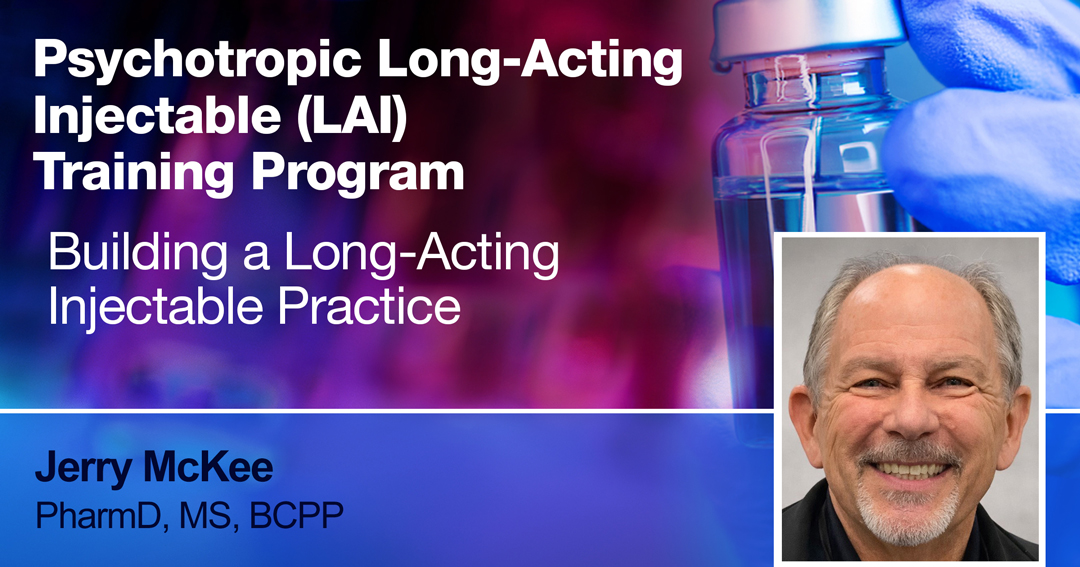
Learn all about building a long-acting injectable practice in this complimentary program! This is one of six modules in our Psychotropic LAI Training Program. Register today and get access to the full program and LAI resources.
Pharmacists can play an instrumental role in the administration of psychotropic long-acting injectable (LAI) medications (antipsychotics, naltrexone, buprenorphine). We designed this program to train pharmacists, nurses, and other health care professional interested in administering and/or learning more about LAIs with the goal of reducing barriers and increasing patient access to these important medications.
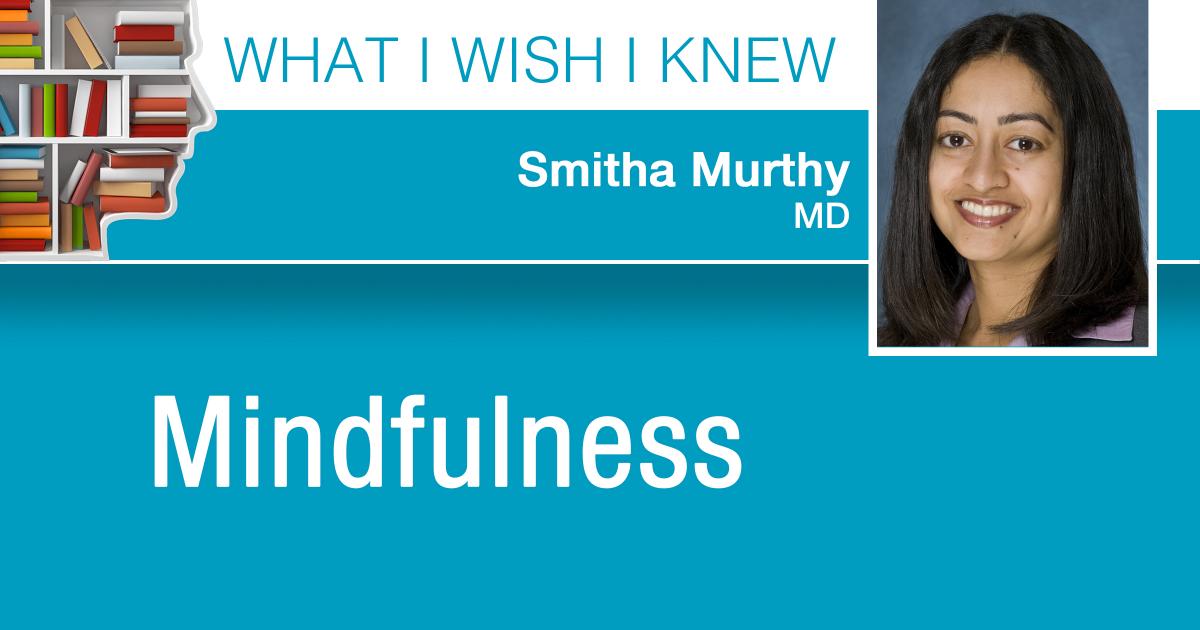
Dr. Smitha Murthy, MD, explains what mindfulness is, why it's helpful, and how to practice it.
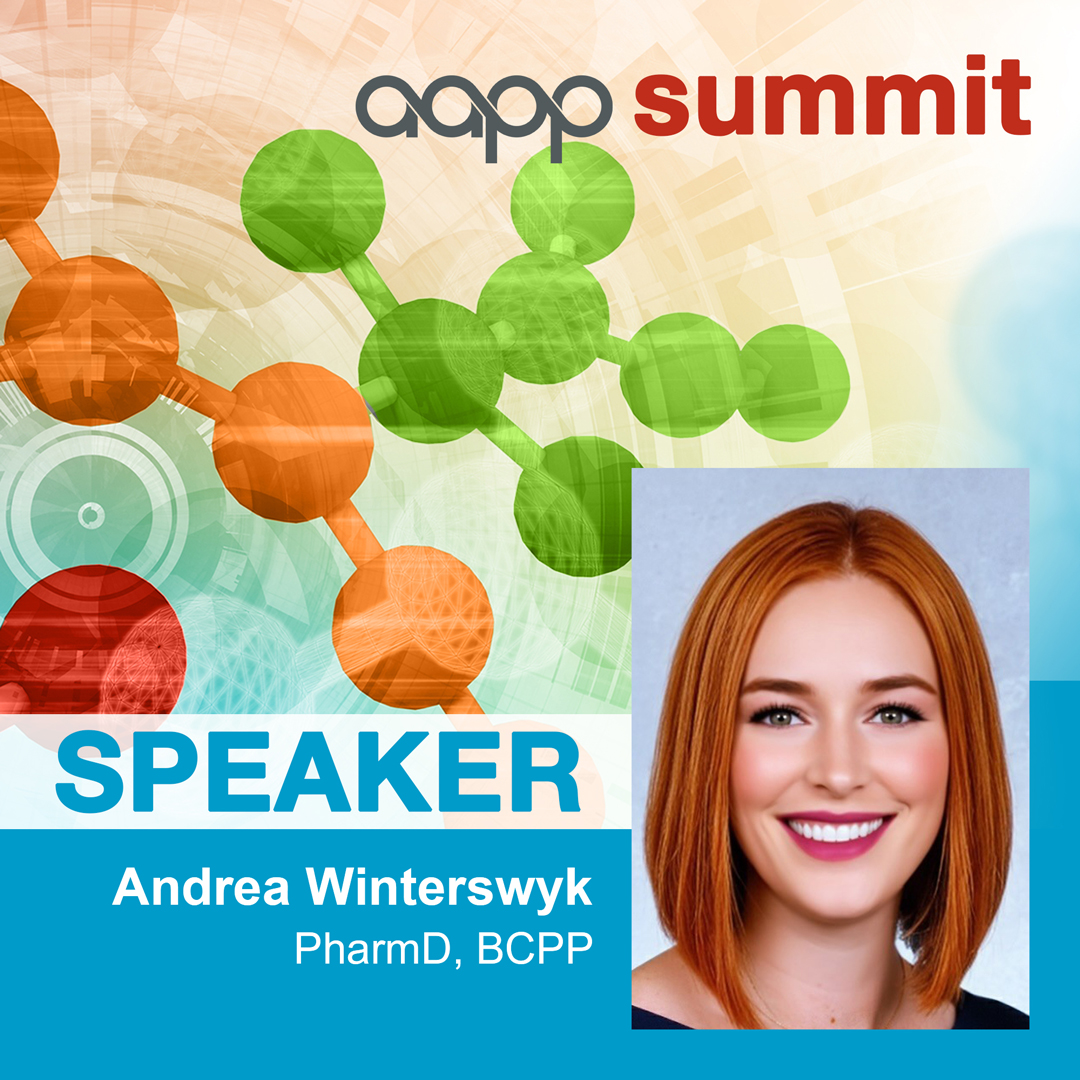
Join Dr. Andrea Winterswyk during the #2026AAPPSummit on Oct. 2 for a session on Applied Intelligence: AI for Everyday Practice. Sessions are eligible for ACPE and BCPP recertification credit!
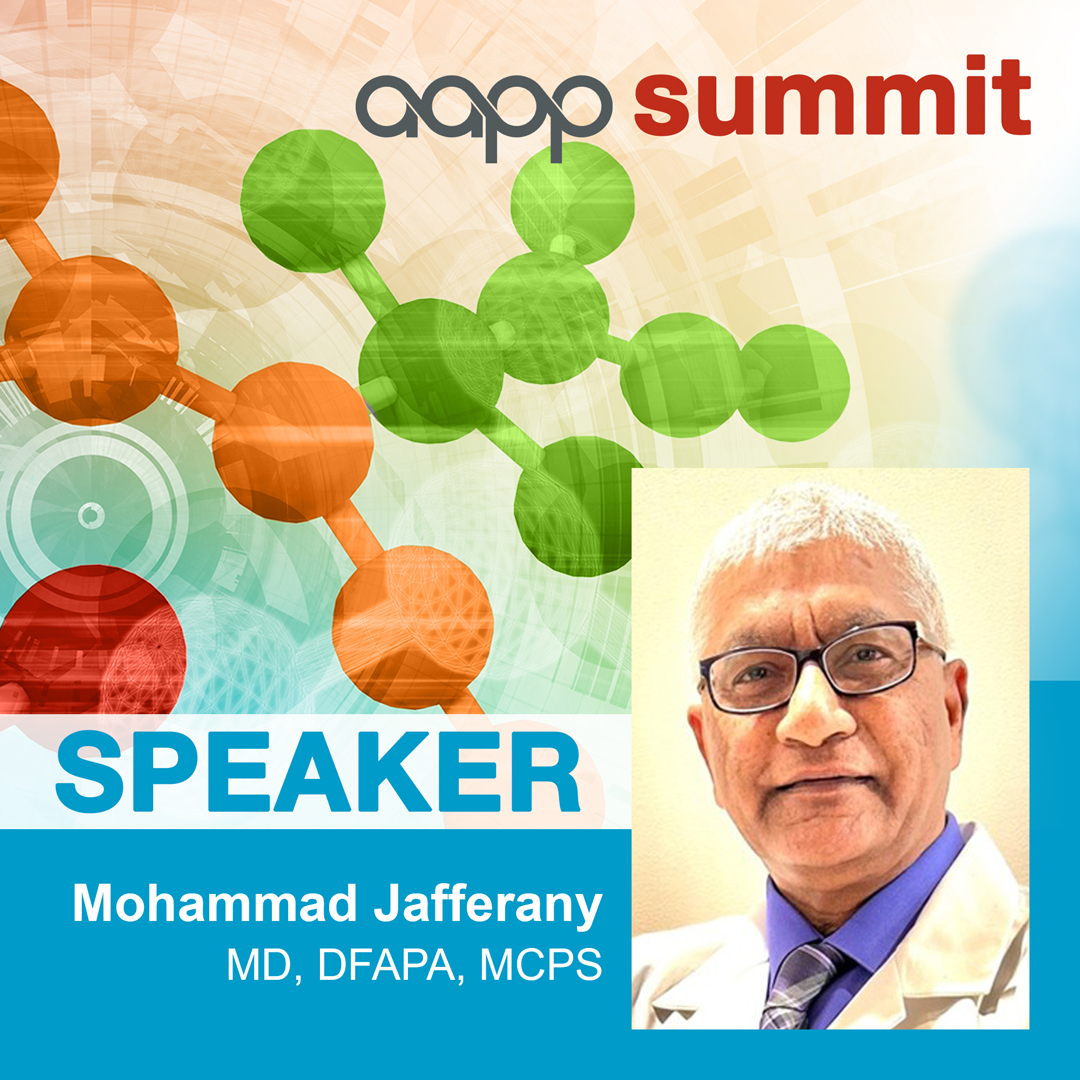
Join Dr. Mohammad Jafferany during the #2026AAPPSummit on Oct. 1 for a session on Scratching the Surface of Psychodermatology: Where Skin and Psychiatry Meet. Sessions are eligible for ACPE and BCPP recertification credit!
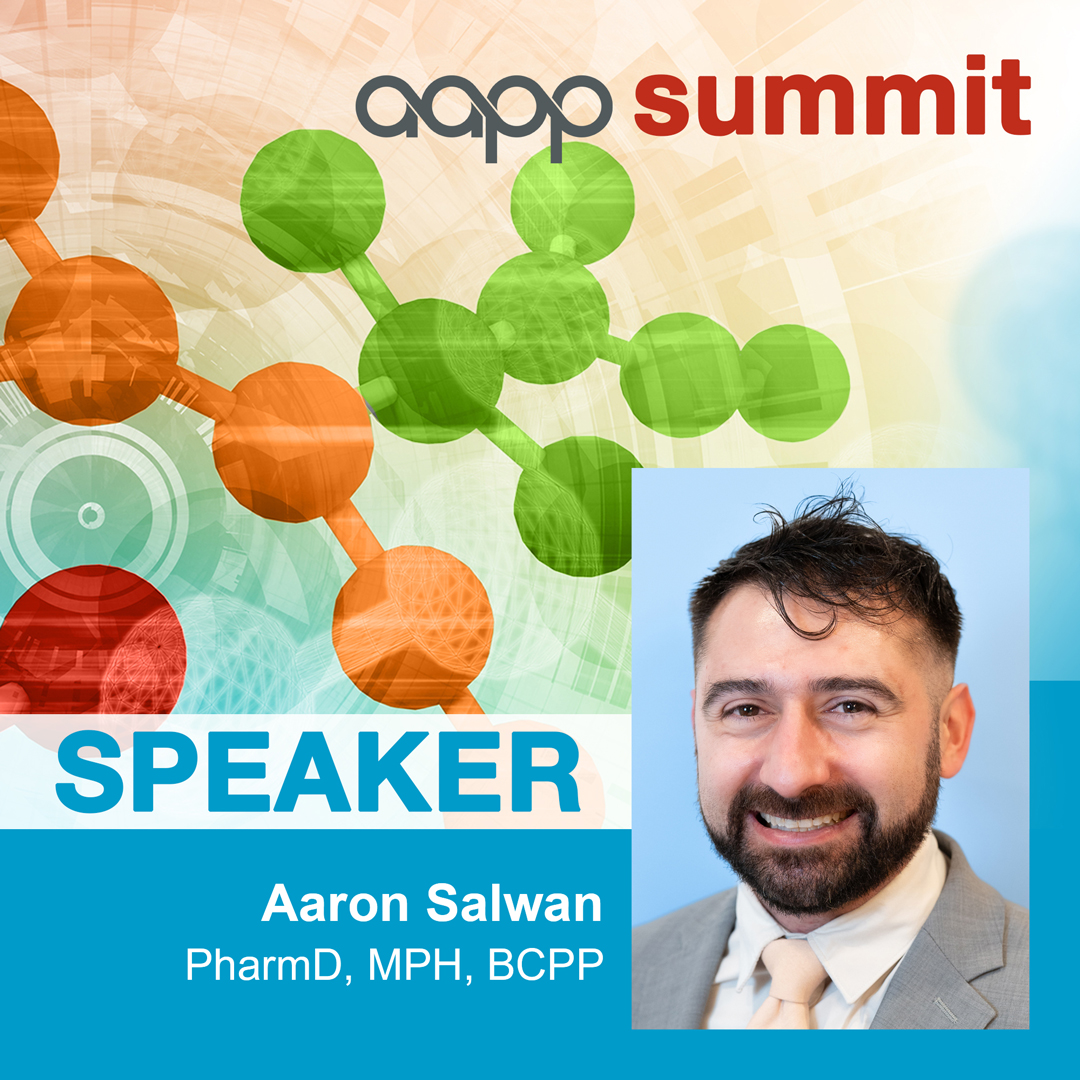
Join Dr. Aaron Salwan during the #2026AAPPSummit on Oct. 1 for a session on Championing Safety: The Pharmacist's Contribution to Substance Use Harm Reduction. Sessions are eligible for ACPE and BCPP recertification credit!

Rescheduling cannabis and psychedelics is recommended by AAPP as means to reduce barriers to rigorous clinical research with the goal to strengthen the evidence base on both benefit and harm.
Curious about LAIs? Need more training? Register for our free Psychotropic LAI Training Program! All registrants get access to 6 recorded webinars with ACPE credit, the LAI pocket guide, LAI administration videos, and an LAI administrative toolkit. Register today and get immediate access.