
This blog series by the Resident and New Practitioner Committee is targeted to psychiatric pharmacists seeking their first or a new position. Throughout the spring of 2026, this series will feature interviews with hiring managers in various types of settings.
Veterans Affairs
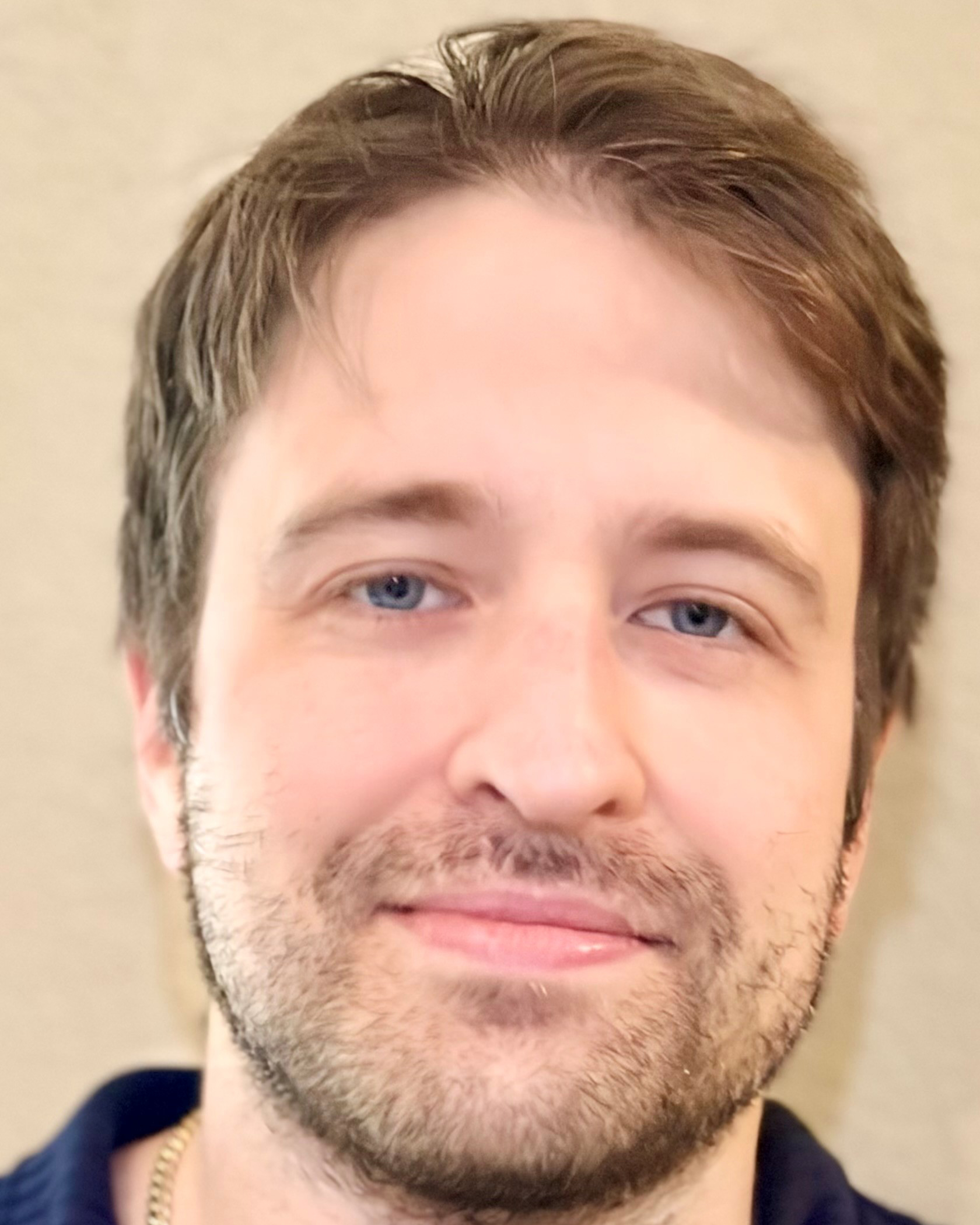
Jacob Beyer, PharmD, BCPP is a Clinical Pharmacy Supervisor - Mental Health and Pain with the Central Texas Veterans Health Care System in Temple, TX.
The Role of Psychiatric Pharmacists
Psychiatric pharmacists serve vital roles across the Central Texas Veterans Health Care System (CTVHCS), demonstrating the breadth and value of Clinical Pharmacist Practitioners (CPPs) within the Department of Veterans Affairs (VA).
Outpatient psychiatric pharmacists at CTVHCS operate under a defined VA scope of practice allowing independent prescribing, medication management, and consultative support. We have CPPs providing care through both Primary Care Mental Health Integration (PCMHI) and Behavioral Health Interdisciplinary Program (BHIP) clinics. PCMHI pharmacists collaborate closely—often adjacent—to primary care teams, offering same-day access for Veterans presenting with mental health needs in the primary care setting. They commonly manage less severe or newly emerged conditions such as mild-to-moderate anxiety, depression, insomnia, and adjustment disorders. In contrast, BHIP psychiatric pharmacists work within multidisciplinary teams managing moderate-to-severe, chronic, or treatment-resistant mental health diagnoses. These teams often include psychiatrists, psychologists, social workers, nurses, peer support specialists, and case managers.
Inpatient behavioral health care at our site is supported by a dedicated psychiatric pharmacist embedded in our ~40 bed inpatient psychiatry unit. This position focuses on acute psychiatric stabilization, medication optimization during hospitalization, safety monitoring, treatment transitions, and interdisciplinary coordination to support discharge planning.
Substance use disorder (SUD) treatment at CTVHCS is further strengthened through specialized psychiatric pharmacists practicing within SUD focused clinics. One outpatient CPP at our site prescribes buprenorphine based therapies, including Suboxone, along with other evidence based medications for various substance use disorders. Additionally, another psychiatric pharmacist supports the inpatient Domiciliary (DOM) Substance Use Disorder Rehabilitation Program, delivering medication management, patient education, harm-reduction education, and clinical consultations.
Beyond pharmacotherapy, psychiatric pharmacists within the CTVHCS frequently provide whole health and complementary service offerings. Most of our CPPs are trained in battlefield acupuncture for adjunctive symptom relief and support device-based interventions, such as training and patient education on the Alpha Stim device, among others.
Advice for Breaking into the VA
For candidates seeking to enter the field of psychiatric pharmacy as psychiatric-focused CPPs, several key strategies can improve employability and career trajectory. From the perspective of a VA hiring manager, Veterans Health Administration institutions remain one of the strongest career paths for psychiatric-focused CPPs, as they employ more psychiatric clinical pharmacist practitioners than any other health care institution in the United States.
For candidates, early career preparation should be intentional but flexible. First, identifying one or more mentors within the field is helpful as mentors provide both clinical coaching and access to broader professional networks. Candidates should also engage actively in organizations offering psychiatric or neurologic clinical exposure, leadership involvement, committee participation, and networking opportunities. Tailoring optional learning experiences—such as rotations, elective certification modules, or research involvement—toward psychiatry or neurology helps candidates build specialized competence, even without initial psychiatric employment.
A frequent pitfall is delaying opportunities while waiting for the ideal mental health role. Instead, candidates should consider adjacent positions within large institutions to get their foot in the door. For example, if a candidate is interested in inpatient acute psychiatry, taking a role within the organization (VA in my case) as a residential rehabilitation or PCMH pharmacist would likely make it easier to move into your desired role later. Roles can often be expanded into areas of interest even if not part of the initial job description. Additionally, internal applicants are commonly prioritized for selection over external applicants when qualifications are otherwise equivalent, making it easier to step into your dream role down the line. If already within the VA system, a candidate may be notified of a position opening through word of mouth, prior to the job being posted. This can give the candidate an advantage over an external applicant or may even lead to a direct hire, thus bypassing the posting altogether.
Learning About Job Openings
Psychiatric CPP job openings are posted on USAjobs.com and is updated daily.
If you successfully completed VA-sponsored training program (residency, APPE, etc.) stay connected with your preceptors and program directors. Even if you are not a current trainee at the time of application, you may still be able to take advantage of VA trainee hiring flexibilities. Additionally, residents are typically eligible for direct hire, which bypasses the traditional job posting requirements and allows the employee to be hired into the position expeditiously without a formal interview and opening the position to other applicants, so make sure to stay in touch with prior co-workers for any opportunities.
Priority Qualifications and Skills
- For candidates without prior experience, completion of a PGY2 psychiatric residency is the single most important qualification.
- BCPP certification is helpful, but not mandatory.
- As psychiatric pharmacy continues to evolve, obtaining DEA licensure is a growing preference for hiring managers and may even be more prioritized over BCPP licensure for certain outpatient roles.
How to Prepare for the Interview
VA psychiatric pharmacy interviews are typically structured using performance based questions, and responses should be delivered through the STAR (Situation/Task, Action, Response) method. Candidates should prepare 10 or more scenarios from their past that they can describe during the interview process. These scenarios should involve teamwork, process improvement, conflict resolution, error correction, adaptability, integrity, and personal growth. When responding during the interview, candidates should stay humble and identify what they could control without attributing blame to other external factors or individuals. It's also important to explain what you learned from these situations and how you can carry that forward.
Final Advice
For new hires, geographical flexibility can be important, recognizing that psychiatric CPP position openings may be infrequent depending on location. Willingness to relocate will drastically increase opportunities and increase likelihood of being hired immediately after training.